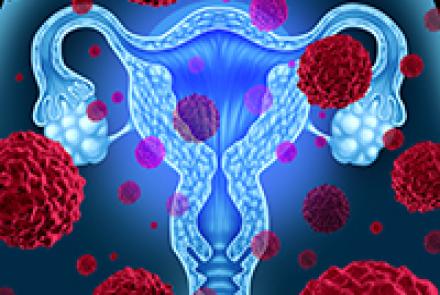
Cervical cancer is the fourth-most common cancer among women. It kills over 300,000 women died from cervical cancer globally every year. Every 2 minutes a woman dies of cervical cancer.. Approximately 90 per cent of cervical cancers occur in low-and middle-income countries. And this even though cervical cancer is a highly preventable cancer.
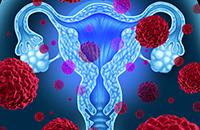
Can cervical cancer be prevented?
Cervical cancer starts with precancerous changes to the cervix. The main types of screening methods available today include HPV DNA testing, visual inspection with acetic acid (VIA), and conventional cytology (pap smear).or you can try to prevent precancer by controlling possible risk factors of Cervical Cancer. Pap test is done every 3 years. There is also a low cost method of Visual Inspection Method using Acetic Acid. This form of cancer can sometimes develop without our knowledge so the biggest self-help tip is to get your regular screening check-ups.
Is there a vaccine?
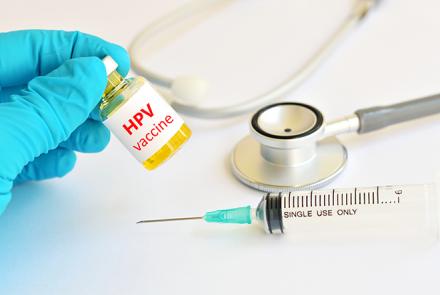
There are two HPV vaccines (Gardasil 9 and Cervarix), which reduce the risk of cancerous or precancerous changes of the cervix by about 93% and 62%, respectively. Gardasil 9 is a nonavalent vaccine, meaning it is designed to protect against the following nine HPV types.
There is also now Cerverac, a quadrivalent Human Papillomavirus (Serotypes 6, 11, 16 and 18) Vaccine (Recombinant)
Read what Dr. Dubey has to say about HPV vaccines preventing cervical cancer.
Who should get the vaccine?
Routine: All 11-12 year olds (2 doses).
Catch-up: All individuals through age 26 who aren't fully vaccinated (3 doses for ages 15+).
Adults (27-45): Discuss with a doctor; may still be beneficial.
Pregnant women: Should be delayed.
Other prevention methods:
- Delay first sexual intercourse until the late teens or older
- Limit the number of sex partners
- Avoid sexual intercourse with people who have had many partners
- Avoid sexual intercourse with people who are obviously infected with genital warts or show other symptoms
- Have safe sex by using condoms. This reduces the risk of HPV infection. Condoms also protect against HIV and genital herpes.
- Quit smoking
Changed
15/Jan/2026
Community
Condition