Submitted by PatientsEngage on 28 October 2016

And other questions on menopause answered by Dr. Usha Saraiya,  Consultant Obstetrician – Gynaecologist at Breach Candy, Cumballa Hill Hospital & Saifee Hospital. She reiterates - Preventive actions helps to prevent Osteoporosis, diabetes & heart disease. 

1.   What is the average age of menopause in India?

It is between 45 years to 50 years. In India it is said to be earlier say from 42 years to 47 years. But women who are not educated do not tell their age correctly. So it may not be very reliable.

2.    What are the common complaints/symptoms that you see in your menopausal patients.

Common complaints are mood swings. They cannot control their emotions well. They cry easily & get very angry without much provocation. They realise it themselves & regret it afterwards. Many also are disturbed by hot flashes. Some notice that there is a lack of libido & are no longer interested in sex life. Urinary frequency & repeated attacks of urinary tract infection are also a sign of early menopause.

3.    How do you usually deal with their complaints/ symptoms.

Most sympathetically, reassure them that it is a passing phase & that they have to learn to cope with it. Symptomatic treatment has to be given.

4.    At what stage should they seek your medical attention with these symptoms?

As early as possible. Benefits are more when treated at an early stage.

5.    Do you recommend any particular diet for them?

Not a particular diet but we do take a history of the diet & recommend some changes

6.    Do you enrol the help of a dietician/nutritionist?

Sometimes, especially in overweight women.

7.    How about any specific exercises or forms of workout?

Regular exercise is always suggested. Going for a walk is something anyone can do.

8.    Are relaxation techniques such as yoga or meditation recommended?

Yoga and meditation help a lot in an over anxious patient.

9.    How many patients experience psychological symptoms or depression?

About 5% of women admit to being depressed or have psychological problems. During the consultation you can get an idea of these patterns.

10.   Which patients are potential candidates for HRT?

Potential candidates are those of surgical menopause. When ovaries are removed surgically there is a sudden loss of hormones & temporary replacement therapy is required. It is also considered when symptoms are severe & psychological changes are obvious.

11.   What are the common side-effects of HRT and how do you deal with them?

HRT has to be given under continuous medical supervision & after doing all the tests. It is a lot of responsibility for the gynaecologists. Patients have to cooperate & come for regular checkups.

12.   Do you suggest Psychiatry help for women who experience depression on HRT?

Yes. HRT cannot cure depression. We work with the Psychiatrist.

13.   What medications are they usually prescribed?

In addition to HRT, antipsychotic & anti depressant medicines are prescribed. Once again close follow up is mandatory.

14.   Any new medicines in the market for menopause, hormonal or otherwise?

Estradiol Valearate is the new estrogen molecule found to be suitable for menopause. Isoflavones have always been advised as they are plant estrogens & are safe. Nowadays they are recommended for prolonged period. Estrogen patches are safer because they bypass the liver. Any subcutaneous route if available may be recommended.

15.   Would you prescribe them?

Yes, after seeing the trials & the reports of trials from Indian patients.

16.   What is the best advice to women who are perimenopausal? If and what lifestyle changes would you recommend?

Pre & Perimenopausal is the best time for preventive measures. A thorough check up at around 40 years of age is recommended. Preventive actions helps to prevent Osteoporosis, diabetes & heart disease. Lifestyle changes if made at this stage will ensure a long life & healthy life. Preventive strategies have to be instituted before the disease damages the organs. The old proverb “A stitch in time saves nine” is very appropriate here.

Dr. Usha B. Saraiya, MD DGO FIAC FICS FICOG FRCOG (UK), is a Consultant Obstetrician – Gynaecologist at Breach Candy, Cumballa Hill Hospital & Saifee Hospital, Vice President – Central Asia Medical Women’s International Association, Chairman, Indian College of Obstetrician & Gynaecologist (2006-2009) 

Changed
05/Nov/2017

Stories

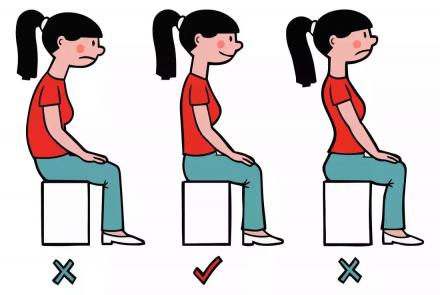
  • Stock pic of 3 different seating postures and only one of these is correct
    Are You Sitting Right: At the Desk or On the Bed?
    Kalpana Kamdar, a physiotherapist from Ahmedabad, emphasises the importance of good posture to protect our bones, joints, muscles and ligaments and suggests simple ways to keep our musculoskeletal system in perfect shape. Video of webinar recording below.   You should listen to Physiotherapist Kalpana Kamdar below on how to prevent aches and pains. While this was recorded during COVID lockdown, it applies to anyone who has a sedentary lifestyle.     In the past three articles we…
  • Why is Blood Calcium Level Important?
    This time in our Health by Numbers/Medical Tests series, Dr Shital Raval takes a look at the importance of Calcium levels in the metabolic panel. Read the previous parts on Sodium Levels, Potassium Levels and Chloride Levels CALCIUM: Calcium is an important component of our bones, teeth, nerve cells and organs such as heart and kidneys. A blood calcium test is ordered if there are any symptoms of any bone or neurological disorders, kidney stones etc or can be a part of a Comprehensive…
  • Why Does My Shoulder Hurt?
    Dr Kalpana Kamdar, a physiotherapist from Ahmedabad, warns that slumping and slouching for long hours while sitting can result in severe shoulder dysfunction, unbearable pain, inflammation and restriction of movement in the neck, shoulders and upper back.  Case Study A 65-year-old male patient, retired from a clerical job, came with diffused pain in and around the left shoulder joint and loss of movement due to pain and weakness but no stiffness in the shoulder. He had first been treated…
  • Physical Activity and Exercise Can Help Keep Mental Illness in Control
    Exercise and yoga can improve quality of life for people with mental illness and reduce risks of strokes, diabetes, auditory hallucinations and other health problems, informs Dr R Padmavati, Additional Director, Schizophrenia Research Foundation. World Health Organisation defines physical activity as any bodily movement produced by skeletal muscles that requires energy expenditure. Physical activity is not just "exercise". Exercise, is a subcategory of physical activity that is planned,…
  • Arthritis Friendly Kitchen E-Book
    Do you or a family member like to cook in the kitchen but struggle with the aches and pains due to Arthritis and other bone and joint conditions? Do you know that with some modifications and some simple tips, your kitchen can be made Elder Friendly or Arthritis Friendly? Here are some tips consolidated into the Arthritis Friendly Kitchen E-Book that you can download. And if you like the ebook, please share this page with your friends and family - so they can benefit from this as well.  And…
  • Preventing Falls in Parkinson’s
    People with Parkinson's are at high risk of falling due to problems with balance, rigidity, and slowness of movement. Here we bring key safety strategies to reduce incidence of falls that can cause bumps, bruises or even broken bones. Some people with Parkinson’s find their pattern of walking (gait) changes; you may walk more slowly, shuffle, or you may experience freezing of gait when you stop and are unable to move for a few seconds or minutes. These changes in walking pattern can affect your…
  • Stock pic of a woman at her work desk holding her neck in pain
    Why Do I Wake Up With a Stiff Neck?
    Kalpana Kamdar, a Physiotherapist from Ahmedabad, points out the hazards of a bad sitting and sleeping posture that can dangerously overwork or overload the muscles causing severe pain and stiffness in the head, neck, shoulders and back. Here she recommends ways to correct the body alignment and get a perfect posture. Video of webinar recording below. DON’T LET BAD POSTURE BECOME A HABIT….!!! Case Study A 23-year-old law student came to me with severe pain on the left side of his neck. He…
  • I am eagerly waiting for menopause!
    Sunrita Mitra, an academician, suffers from chronic Dysmenorrhea or menstrual pain, which almost renders her immobile. Here she talks about how she copes with it physically and emotionally. Please tell us a bit about your present condition. At the age of 50 plus, I am eagerly waiting for my menopause but I am having painful periods at regular (28 plus/minus 2 days) intervals that last for 5 to 6 days. Pain starts two-three days prior to menstrual discharge and usually the first two days are…
  • How to Stay Healthy after Menopause
    Post-Menopause is tied to long-term health problems if wholesome food intake and regular physical activity is not practiced. Nutritionist Kohila Govindaraju shares tips on what to eat and importance of exercise. Menopause is a natural biological process. It is the time when a woman stops menstruating. The hormones estrogen and progesterone production will be low and the ovaries no longer produce eggs. In women, estrogen is mainly produced in the ovaries. It is also produced in fat cells and…
  • Are You Addressing the Root Cause of your Pain?
    We bring you a series of articles on good posture and good health by Kalpana Kamdar, a Physiotherapist from Ahmedabad. In the first article Physiotherapist Kamdar stresses the importance of a well aligned and balanced posture to protect the bones, muscles and the supporting structures from progressive deformity and injury. Video of webinar recording below. Seldom is the location of pain, the cause of the pain Case Study A 65 year old retired male, physically active at home. Chief complaint of…