  • Hashimotos Management
    Hashimoto's Thyroiditis Management
    In addition to the various treatment options, lifestyle changes are also recommended: Diet: Having the right amount of iodine is important for thyroid hormone production. And too little is the most common cause of hypothyroid problems worldwide. But iodine supplementation is not the answer in Hashimoto’s disease. In fact, it worsens the condition. What you need is a healthy diet with vegetables, fruits, whole grains, lean proteins and healthy fats to build strength. Eating three healthy…
  • Hashimotos Treatment
    Hashimoto's Thyroiditis Treatment Options
    Medication Hashimoto’s thyroiditis responds well to treatment. It is treated with a single daily tablet of levothyroxine. This is a man-made form of T4 thyroid hormone. It is also called thyroid replacement therapy because it restores back to normal the T4 that the damaged thyroid can no longer make. It usually needs to be taken for the rest of a person’s life. Follow-up treatment After you start your medication, you will need a follow-up TSH test so your doctor can fine-tune your dose. The…
  • Hashimotos Tests
    Hashimoto's Thyroiditis Diagnosis and Tests
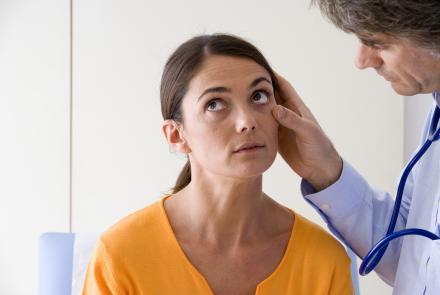
    What tests do you need to have done The doctor will conduct some of the following:  Physical examination to identify goiter and other physical signs and symptoms of hypothyroidism.  Laboratory tests may check the following: Antithyroid Antibodies: These are proteins produced by our immune system that destroy thyroid tissue. Increased antithyroid antibodies provide the most specific laboratory evidence of Hashimoto’s thyroiditis, but they are not present in all cases.  TSH (…
  • Hashimotos Symptoms
    Hashimoto's Thyroiditis Signs and Symptoms
    Symptoms Many people with Hashimoto’s thyroiditis have no symptoms for years. An enlarged thyroid, called a goiter, is often the first sign of disease. The goiter may cause the front of the neck to look swollen. If large, it may cause a feeling of fullness in the throat or make it hard to swallow. It rarely causes pain. Hashimoto’s disease progresses slowly, leading to a drop in thyroid hormones. Symptoms of an underactive thyroid include: Fatigue  (a state of physical and/or mental…
  • Hashimotos Causes
    Hashimoto's Thyroiditis Causes and Risk Factors
    Are you at risk of getting Hashimoto’s disease?  Many factors are thought to play a role in causing Hashimoto’s disease. These include: Genes: Family members may have Hashimoto’s disease or other autoimmune diseases. Gender: Hashimoto’s thyroiditis is 7 times more common in women than men. Pregnancy: Pregnancy affects the thyroid. Some women have thyroid problems after having a baby, which usually go away. But about 20 percent of these women develop Hashimoto’s thyroiditis in later years…
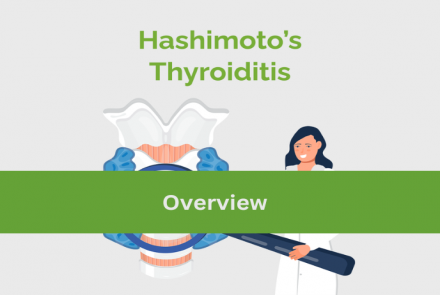
  • Hashimotos Overview
    Hashimoto's Thyroiditis
    Hashimoto’s thyroiditis, also called Hashimoto’s disease, is an autoimmune disease in which the thyroid is attacked by the body’s immune system, causing symptoms of hypothyroidism (underactive thyroid gland). It is most common among middle-aged women. What is the thyroid gland? The thyroid is a 2-inch-long, butterfly-shaped gland weighing less than 1 ounce. Located in the front of the neck below the larynx, or voice box, it has two lobes, one on either side of the windpipe. The thyroid makes…
  • Foods To Avoid If I Have Hypothyroidism
    Can I eat cabbage or broccoli? Can I eat miller? Nutritionist Kohila Govindaraju brings you up to speed on ‘goitrogenic foods’ and answers diet questions for persons with hypothyroidism.   What is hypothyroidism: This is a condition in which the thyroid gland does not produce enough thyroid hormone. The thyroid gland is a small butterfly-shaped gland situated at the base of the front of your neck. Its major function is to produce thyroid hormones, which play many roles…
  • Alka Dhupkar
    Fighting Psoriasis is not my sole aim in life
    Alka Dhupkar, 32, has been living with Psoriasis, a chronic skin condition for 20 years. She says, “We should accept our skin disease and then, as a normal person, we can think and plan our life.” She shares her story and learnings. Please tell us a bit about your condition: I have had psoriasis since I was 13. Currently I have developed psoriatic arthritis on my left leg and patches around bones mainly. On the scalp also I have psoriasis patches. The psoriasis I had 20 years…
  • Lupus Overview
    Lupus
    Lupus is a chronic, autoimmune disease that can damage any part of the body (skin, joints, and/or organs inside the body). Chronic means that the signs and symptoms tend to last longer than six weeks and often for many years. Lupus affects about 5 in 10,000 people.  Who is affected by lupus? Most often, lupus starts in people in their 20s and 30s. It occurs 10 times more often in women than in men. The disease is more common in some ethnic groups, mainly blacks and…
  • 43% of Heart Attack Patients Had Anaemia
    India and South-east Asia has high incidence of anaemia. Family practitioner Dr Gita Mathai tells you all you need to know about this often-silent threat that can pose many complications.  What is anaemia? Anaemia (or Anemia) is a generic term for low haemoglobin in the blood from any cause. It is not a disease by itself. It can occur in different forms and be caused by many factors.  Anaemia is diagnosed when the haemoglobin value checked in the laboratory is…
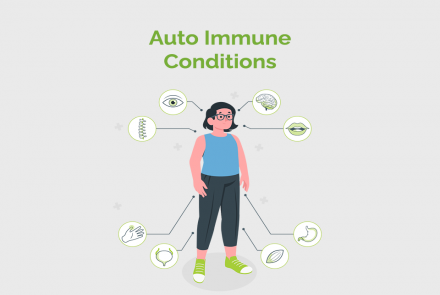
There is an increase in diagnosis of auto immune conditions in India -  Rheumatoid arthritis, Ankylosing spondylitis, Lupus, Thyroiditis (Hashimoto’s disease), Inflammatory bowel disease There was an article in…

No content found

Latest Communities