

While India does not have a single flu season, periods like monsoon see an increase in infections. Learn what is the difference between Seasonal Flu and Swine Flu or H1N1 Flu, how you can prevent it, the symptoms to watch for and the role of vaccination.
What is swine flu?
Swine flu is a respiratory infection caused by the influenza A(H1N1)pdm09 virus. It spreads from person to person, mainly through respiratory particles released when an infected person coughs, sneezes, talks or breathes. So, while “swine flu” remains a familiar term, it does not mean that the infection is currently being acquired from pigs.
There may be periods like monsoon when infections increase. India however does not have a single “flu season” everywhere. Influenza cases vary by region and season, and influenza can circulate throughout the year. This makes local surveillance important when deciding when vaccination and other preventive measures are most useful.
H1N1 (swine flu) vs seasonal flu: What is the difference?
The terms can be confusing. Seasonal flu is influenza that circulates regularly in the community. It is mainly caused by influenza A and B viruses. H1N1 is a subtype of influenza A. The H1N1 virus responsible for the 2009 pandemic is now one of the viruses that causes seasonal influenza. This virus that caused the 2009 H1N1 pandemic was called “swine flu” because it contained genetic material related to influenza viruses that had circulated in pigs. However, the virus that emerged in 2009 became established as a human seasonal influenza virus and is now called A(H1N1)pdm09.
| H1N1 is not a completely separate disease from seasonal flu, it is a type of seasonal influenza virus. |
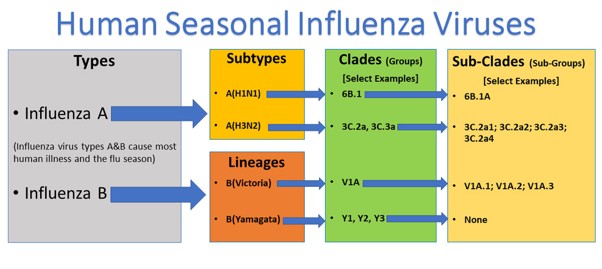
| Birds can carry different flu viruses. Pigs can catch both bird and human flu viruses. When these viruses mix, a new flu virus can sometimes emerge that can infect and spread among people. Today, however, H1N1 (swine flu) is mainly a human seasonal flu virus. It spreads from person to person, not usually from pigs to people. You do not normally get H1N1 by eating pork or by being around pigs. |
What are the symptoms?
Symptoms often begin suddenly. The time from infection to illness, known as the incubation period, is about 2 days, but ranges from 1–4 days. Most people recover within about a week, although cough and tiredness can last longer. Symptoms include:
- Fever
- Dry cough
- Sore throat
- Headache
- Body or muscle aches
- Extreme tiredness
- Runny or blocked nose
What should you do if you develop symptoms?
If you are otherwise healthy and symptoms are mild, rest, drink plenty of fluids and manage fever and other symptoms as advised by a healthcare professional. You do not necessarily need a test every time you develop flu-like symptoms. Testing may be recommended when knowing the specific virus will affect treatment or clinical management.
Antiviral medicines may be recommended for people at higher risk of complications or those with severe illness. They work best when started early, ideally within 48 hours of symptoms beginning, although treatment can still be useful later in some seriously ill or high-risk patients. Antivirals should be taken on medical advice.
| Antibiotics do not treat influenza, because influenza is caused by a virus. They may be prescribed only if a healthcare professional suspects a bacterial infection or complication. Taking antibiotics unnecessarily can contribute to antimicrobial resistance. |
When should you seek medical help?
Contact a doctor promptly if you are in a high-risk group or your symptoms are severe or worsening. Seek urgent medical attention if you experience symptoms such as:
- Difficulty breathing or shortness of breath
- Chest pain or pressure
- Confusion or unusual drowsiness
- Severe weakness
- Signs of dehydration
- Symptoms that improve but then suddenly become worse
How does swine flu spread?
The virus can spread when an infected person:
- Coughs or sneezes
- Talks or breathes in close proximity to others
- Contaminates their hands and then touches surfaces or other people
Crowded and poorly ventilated indoor spaces can increase the opportunity for transmission.
Can you get swine flu more than once?
Yes. Infection with one influenza virus does not provide complete protection against all influenza viruses, and influenza viruses change over time. This is one reason seasonal influenza vaccination is updated periodically and recommended annually for people for whom vaccination is advised.
How can you reduce your risk?
Simple measures can help:
- Stay home when sick. Avoid close contact with others while you have flu-like symptoms.
- Open windows where possible. Good ventilation can reduce the concentration of infectious respiratory particles in indoor spaces and lower the risk of flu transmission.
- Avoid crowded, crammed spaces.
- Cover coughs and sneezes. Use a tissue, mask or your elbow rather than your hands.
- Wash your hands regularly. Use soap and water or an alcohol-based hand rub.
- Avoid touching your eyes, nose and mouth with unwashed hands.
- Consider a mask when appropriate. Someone who is unwell should consider wearing a mask if they need to be around others, particularly in crowded settings.
Does the seasonal flu vaccine protect against H1N1?
Yes. Current seasonal influenza vaccines are designed to include protection against the influenza viruses expected to circulate, including A(H1N1)pdm09. The 2026–27 Northern Hemisphere vaccine composition recommended by WHO includes an A(H1N1)pdm09 component. India's NCDC has also recommended seasonal influenza vaccine formulations containing A(H1N1)pdm09, A(H3N2) and B/Victoria viruses.
Who is at higher risk of complications and must consider taking the vaccine?
These groups should seek medical advice early if they develop influenza-like symptoms.
- Children under 5 years (59 months) of age
- Adults aged 65 years and older
- Pregnant women
- People with diabetes, heart or lung disease and other chronic conditions
- People with weakened immunity, including those receiving chemotherapy or other immunosuppressive treatment
- Healthcare workers (nurses, hospital staff etc.)
If you take the vaccine, will you never get Influenza?
Vaccination does not guarantee that a person will never get influenza. Vaccine effectiveness varies depending on the viruses circulating that season and individual factors. Vaccination nevertheless reduces the risk of influenza and, importantly, can reduce the risk of severe illness and complications.
Why is the flu vaccine needed every year?
Influenza viruses change over time, so the strains circulating this year may differ from those seen previously. The vaccine is therefore reviewed and updated regularly to provide the best possible protection against the viruses expected to circulate. In addition, the protection provided by vaccination can decrease over time, making annual vaccination important for continued protection.
References:
- World Health Organization. (2025). Influenza (seasonal). World Health Organization. WHO – Influenza (seasonal). https://www.who.int/news-room/fact-sheets/detail/influenza-%28seasonal%…
- National Centre for Disease Control, Ministry of Health and Family Welfare, Government of India. (n.d.). Seasonal influenza (H1N1). Government of India. NCDC – Seasonal Influenza (H1N1). https://ncdc.mohfw.gov.in/includes/Health_Information/seasonalinfluenza…
- Image source: https://www.cdc.gov/flu/about/viruses-types.html