

Pranab Basu lost his wife to cancer over 9 years ago, and has not stopped missing her since. But instead of merely grieving for her, he has channeled his energy to helping and counselling patients with the same terminal condition. He shares his own ways of coping with grief.
Healthy grieving means feeling and sharing your pain instead of hiding it.
Grieving is a reality which almost no one has been able to escape from. And the loss of a loved person is usually very deep and personal. Grief is the natural, emotional and often physical response to a significant loss, most commonly associated with the death of a loved one. End of a relationship, job loss, loss of dignity are the other causes of grief. Bereavement is the period of sorrow, grief and state of loss following the death of a loved one.
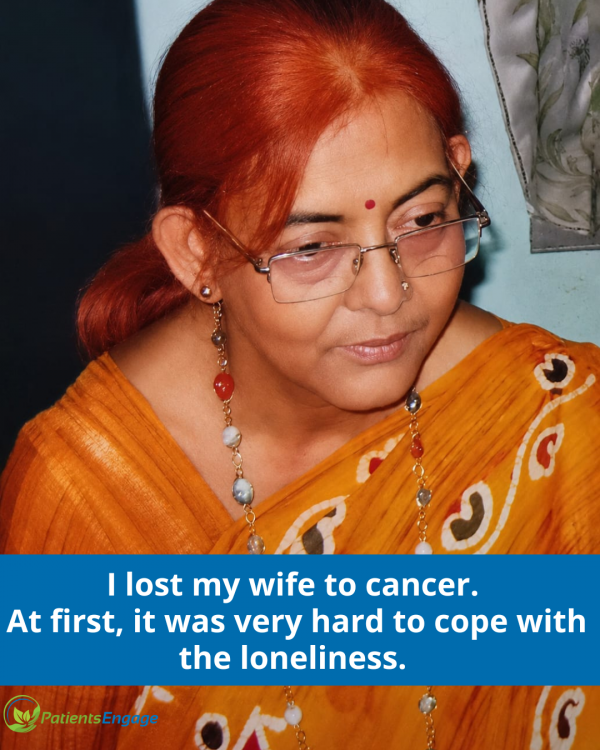
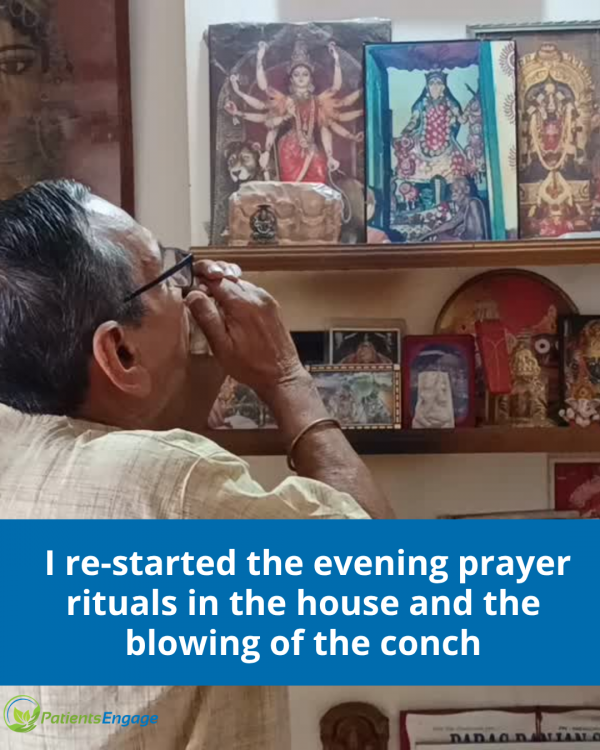
I have been in a state of bereavement ever since I lost my wife to cancer some 9 years back. After the ritual “Shraddha” or the prayer ceremony following her death, the home became completely empty as all our relatives went back to their own lives. At first, it was very hard to cope with the loneliness. I tried to regain my old habits. I resumed my morning walk and meeting my friends. I didn't allow myself to be drowned in depression. Yes, I felt that the space beside me on the bed was empty, but I tried to imagine her presence next to me. We have been particularly close to each other, which is why her absence hurt even more. I started cooking myself to divert my pain, imagining her next to me all the while. I also tried to socialise and went out of my house frequently. Finally, I devoted myself to volunteering in the field of Palliative Care, counseling the cancer patients and caregivers and sharing my experience. See my article here on taking care of my wife. I attended and participated in the courses on Palliative Care, compassionate care, bereavement support, all of which helped me to adapt to the situation through positivity. I also re-started the evening prayer rituals in the house and the blowing of the conch in front of the photos of Gods and goddesses. My wife used to carry out these rituals earlier. These are small examples of my coping mechanism.
Bereavement is a highly individual process and there is no right way to experience it. Grief is isolating, but it needs to be shared. Allow yourself to cry, talk to your trusted friends and practice basic self-care. Accept your emotions exactly as they come without judging yourself. There is no right way to grieve, no strict timeline. Each person's grief is unique and each one experiences grief differently. Grieving persons should be allowed to grieve in their own way. My life has been transformed since the death of my wife, and I have learnt to cope with it.
Dr Elizabeth Kubler Ross model (DABDA) outlines five common emotional reactions to terminal illness or significant loss of a loved one : Denial, Anger, Bargaining, Depression and Acceptance, introduced in 1969 as flexible guidelines to cope with grief. Kubler Ross makes it clear that the stages are non-linear. One might not experience all the stages in the same order and feelings are quite different with different kinds of losses.
I am in bereavement after losing my beloved wife for whom I was the sole caregiver. My grief itself began from day one when the histopathology report spoke of metastatic cancer. At the beginning I was in Anticipatory Grief which finally turned into Normal Grief after the death of my wife. Anticipatory grief is the sorrow, fear and anxiety you feel before a major loss is about to happen.
What I learned from my own experience of coping with grief
- Acceptance and Hope. : Death is a part of life. Accept the reality of death and you will not be engulfed with negativity resulting in depression. Acceptance of the death of a loved one is tough, but I have accepted and grief has been transformed into grace. I am volunteering in the field of Palliative Care, counseling the cancer patients and caregivers, accompanying the older adults to palliate their loneliness. As a result, I am feeling less lonely.
- Surrendering grief to God is a powerful way to cope with loss. It involves letting go of the need to control one's pain, honestly sharing one's heavy emotions with Him in prayers and trusting that He will provide comfort, strength and ultimate healing. Honestly speaking I have surrendered grief to my worshipping Goddess and I am relieved of pain. Three days before my wife’s death I prayed to my worshipping Goddess to let her die peacefully. My Goddess granted my prayer. I believe “ Lord has given, Lord has taken away”.
- Self-care during the grieving process is an essential way to cope with loss. I have been trying to keep myself mentally and physically stable to process my feelings without judgment, and allowing myself to rise above guilt feelings, if any. Allowing oneself the time and acceptance to process the loss is a vital part of self-compassion.
- Love left behind: Reframing grief can be a deeply comforting way to process the loss. When I feel her physical absence, I listen to her favourite songs. This is the reflection of Transformation of Grief into Love.
- Finding a focus, a purpose to live : Engaging in selfless service and accompanying terminal patients and older adults in need is a profound way to navigate grief. I have been privileged to volunteer in palliative care, counseling cancer patients and their family caregivers, accompanying the older adults in rural and urban sectors who are feeling lonely, and offering comfort to the person at the end of his/her life to the best of my abilities. This helps foster resilience, builds new connections and provides a renewed sense of purpose of life during a period of deep personal loss. Volunteering acts as a natural buffer against depressive symptoms and isolation. It helps regulate stress and can trigger a “Helper’s high” sense of fulfilment in a person.
As told to Moyna Sen