Submitted by PatientsEngage on 24 October 2016

Hypoglycaemia or a sharp drop in blood sugar levels can cause severe discomfort and dizziness and, in some extreme cases, even death. Dr Roshani Sanghani, renowned endocrinologist and the founder of Aasaan Health Solutions shares valuable tips on how to tackle a condition which can afflict any person with diabetes at any given time.

Many patients are troubled by sudden and unexpected blood sugar levels dropping. When the level drops below 70 mg/dl, it is considered hypogylcemia! Hypogylcaemia is considered a matter of concern and should be addressed immediately.

Follow these quick and easy steps when hypogylcaemia hits or blood sugar drops below 70 mg/dl:

  • Watch out for signs of Hypogylcaemia such as shaking, dizziness, headache, excessive sweating, anxiety, irritability etc.
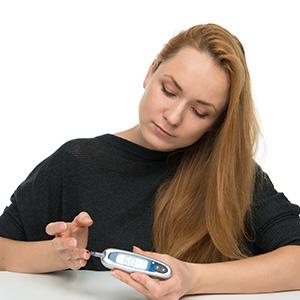
  • Measure the blood glucose levels using a home glucometer device.
  • Drink 150 ml of plain milk or 75ml of any fruit juice (fresh or processed). The idea is to intake 15 grams of carbohydrate to raise the blood glucose levels by 15 points.
  • Rest for 15 minutes and recheck the blood sugar levels.
  • If the levels have risen, just try to relax. If levels have not risen, then repeat steps 3 & 4.
  • Keep a diary of food intake and medication dosage to investigate the trigger you’re your hypogylcemia. This will help you to avoid such triggers in the future.
  • Inform your doctor about your hypogylcaemia episode at your next visit. If medication is causing the drop, then your doctor may decide to lower your dosage.
     

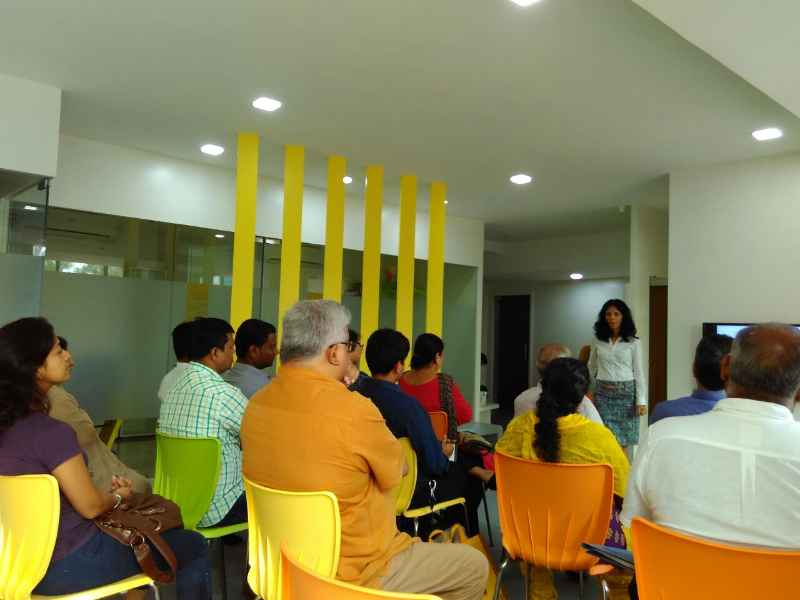
Pic below: Dr. Roshani conducting an information session for patients at her clinic.

Changed
03/Nov/2017
Community
Condition

Stories

  • Focus on exercise and diet control
    Says Mumbai-based Pradeep , 59, who gave up sweets and took up yoga to keep his diabetes under control. Q. What kind of diabetes are you suffering from?  Type 2 diabetes Q. When were you diagnosed? 1994 Q. Early symptoms? I had pain in my legs and general lethargy. Q. Is there diabetes in the family? No Q. Did you start managing it immediately or was there another trigger point? I started managing immediately. Q. What is your present condition? Diabetes is fully under control. Q. What…
  • Wing of an aeroplane indicating Air Travel
    Diabetes and Travel - Carry A Doctor's Note
    Despite being insulin-dependent, Jayesh Shah (54) continues to globe-trot for work. All it needs is a little extra planning, he says. Here, he shares his top tips for travelling safely with diabetes.  • Carry the doctor’s prescription with you • Inform airport security that you are a diabetic • When travelling across time zones, adjust your medication and food intake as per the time zone that you are currently in • Do not skip any meals; over eating is better than fasting,…
  • , , , ,
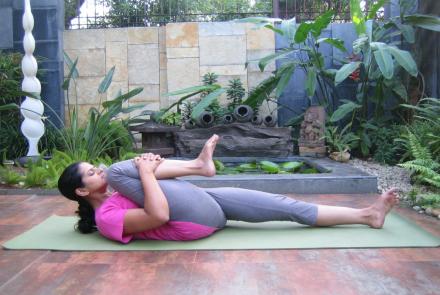
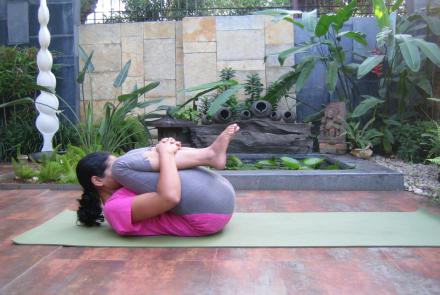
    Yoga - Ardha Pavanamuktasana
    Meaning: Ardha is half.  Pavan is air/wind/gas. Asana is posture. This asana’s name reflects its benefits, that is, the release of unnecessary gases from the body, especially the stomach. Benefits 1. It strengthens the lower back and stretches the spinal cord. It is thus particularly good for treating back pain. 2. The posture helps to massage the abdomen and the digestive system thereby eliminating wind and preventing constipation. 3. It stimulates and directly exercises internal organs…
  • A gloved hand checking the foot for diabetic foot ulcers
    Diabetic Foot Ulcers : Prevention and Treatment
    Diabetic foot ulcers occur in approximately 15 percent of patients with diabetes, and is an open sore or wound that is located on the bottom of the foot. Infection of the wound and other ulcer-related complication can result in hospitalization. Learn to prevent and manage it.   What is diabetic foot ulcer? Diabetic patients are at a high risk of developing many foot problems. Even simple foot problems can become severe and cause complications. The root cause of…
  • Carbs are not your enemy!
    With all the hype around high-protein diets, more and more people want to cut down, and some want to eliminate, carbohydrates from their diets. But not only are carbohydrates present in almost all foods, eliminating them would disturb the body’s natural functioning, says Dietitian and Diabetes Educator Ujjwala Baxi. Why do we need carbohydrates? Carbohydrates are the body’s primary source of fuel for our internal and external functions. Carbohydrates are digested and broken down into glucose,…
  • Diabetic Skin Complications
    Diabetic Skin Complications
    - With inputs from Dr. Anju Virmani, Endocrinologist, New Delhi What is it People with diabetes, due to high blood glucose, often have a loss of fluid in the body. This can cause dry skin on the legs, elbows, feet and other areas of the body. Dry skin is more likely to crack, allowing germs to get into these areas, causing infections that can have severe consequences. Diabetics are more prone to getting bacterial and fungal infections. Diabetics may also suffer from itchy skin…
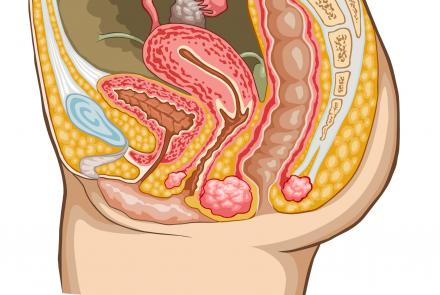
  • Anatomical Image of Ovaries in human body
    Diabetic Complications: Polycystic Ovarian Syndrome
    With inputs from Dr. Chandan Dubey What is it If you have 2 or more of the following symptoms, you should get yourself checked by a gynaecologist to confirm or rule out Polycystic Ovarian Syndrome (PCOS):  • Multiple small cysts in the ovaries • Infrequent (more than 35 days) or absent periods due to eggs not releasing every month  • High androgen features (facial and body hair, acne, abdominal fat, frontal balding) PCOS and its impact  PCOS may lead to acne,…
  • Fish Lasagna (6 Portions)
    Lasagna made from whole wheat doesn’t spike the post-lunch blood sugar as much as the refined flour varieties. Tuna rich in omega- 3 fatty acids and Vitamin D are ideal for people with diabetes who run a higher risk of cardiovascular problems, high blood pressure and elevated triglycerides.  Ingredients: Tuna /White Pomfret (boneless ) - 700 g Onion – 2 Olive oil – 2 tbsp Tomato puree – 1 cup or 250g Sundried tomatoes - 10 g Freshly ground pepper - ¼ tsp Sweet corn - 300g…
  • Chickpea curry (6 portions)
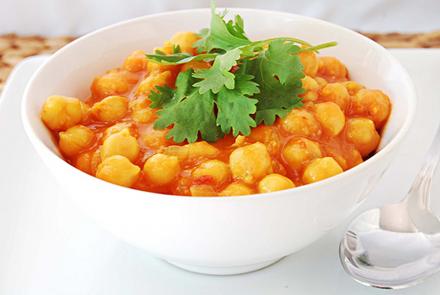
    Chickpeas or garbanzo beans are rich in fibre, iron, phosphorus and the B-complex vitamins. It has been seen that eating chickpeas control blood sugar levels after meals, so it is good for people with diabetes. This recipe also uses poppy seeds, which are a good source of calcium and fibre, low in sodium and have no fat or cholesterol, as well as coconut, which provides certain essential fats missing from other vegetable oils. In this recipe they have been used in…
  • Paneer paratha (makes 6 portions)
    Paneer paratha is a favourite choice for kids’ lunchboxes. It is nutritious and can be modified for the needs of growing children by using whole-fat paneer instead of low-fat and an extra dash of fat (ghee, butter or oil depending on preferences).  Ingredients For the dough  200g whole wheat flour  2 tsp white oil  Pinch of chilli powder  Pinch of salt  For the Filling   200g low-fat paneer  100g onion  50g carrot Small bunch of coriander…