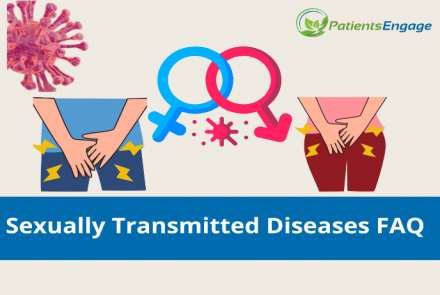
In India, it is estimated that about 6% of the adult population is infected with one or more sexually transmitted infections (STIs) at any given time, which means approximately 30–35 million new episodes of infection annually. Here are some frequently asked questions addressed
Sexually transmitted infections (STIs) or sexually transmitted diseases (STDs) are infections or diseases that one can get from any kind of sexual activity. . More than 30 different bacteria, viruses and parasites can be…

Latest Stories
 The constant barrage of tests for diabetes diagnosis and management can feel overwhelming. And new ones keep popping up. Dr. Shital Patel explains the role and utility of each of the tests If you are living with diabetes, you have had a lot of blood tests, check-ups, and screenings. It can feel overwhelming trying to keep track of what all these tests mean and which ones are truly important for your health. You may often see new tests being added in testing packages or mentioned in…
 According to World Health Organisation, sepsis is one of the most frequent causes of death worldwide. From data published in 2020, there were 48.9 million cases and 11 million sepsis-related deaths worldwide, representing 20% of all global deaths. It is important that we understand what sepsis is, symptoms to watch out for and when to seek timely treatment. Sepsis is a serious and potentially life-threatening condition that occurs when the body’s response to an infection spirals out of control…
 Prevention of Brain Tumours: We cannot prevent brain tumours/cancer, but we can reduce our risk of having them. Like any other cancer, brain cancer risk can also be reduced by: Avoid/Limit your exposure to Harmful Substances The toxins in our environment and pollutants can have unfavourable effects on the brain. Pesticides, industrial chemicals, and air and water pollutants, and even indoor pollutants are known to contribute to the development of brain tumours as per the scientific literature.…
 Management of Brain Tumour Role of palliative care: Palliative care helps in improving the quality of life of not just the patient but the families and caregivers of patients with cancer. It has many roles: Symptom Management: Palliative care helps to mitigate and manage many symptoms due to cancer and the related treatment like pain, nausea, fatigue, loss of appetite, and breathlessness. It combines several modalities like use of medications, physiotherapy, counselling etc. Emotional and…
 Treatment for brain tumour and brain cancer: The treatment plan is usually decided based on the physical assessment of the patient, age, advice of the Neuro-oncologist (specialist for brain cancer) and the oncology team or Neurosurgeon (if the brain tumour is benign) and is usually based on factors like: Type of Tumour: Depends on whether the tumour is cancerous or benign, and the specific type of tumour. Grade of tumour: Tumours may range from low-grade to high-grade and the…
 Brain Tumour Diagnosis Process : Initially the doctor (typically a neurologist) will take a detailed history to understand the duration and intensity of the symptoms. They may inquire about past and current health issues, current and past medications, surgical and family history etc. This will be followed by a general physical exam and a neurological examination (neurocognitive and neuro-ophthalmological) to check for: Balance and coordination. Mental status/Awareness/Ability to follow simple…
 Types of Brain Tumour: Primary and Secondary Malignant and Benign Primary and Secondary Tumours that start in the brain tissue itself are known as primary brain tumours. Primary tumours are further categorized by clinicians as glial (composed of glial cells in the brain) or non-glial (developed on the brain or the structures of the brain like nerves, blood vessels, and glands). If the tumour has started elsewhere in the body and then spread to the brain; it is termed as secondary brain…
 Symptoms of Brain Tumour: Headache or a feeling of pressure in the head that is: Worse in the morning. Persistent or frequent and seem severe. Feel like tension headaches or migraines. May be associated with nausea and/or vomiting. Issues with vision like blurring, double vision, or diminishing sight on the sides (peripheral vision). Loss of sensation or movement in the legs or arms. Issues with balance. Speech issues like slurring, incoherent speech. Excess tiredness. Confusion in matters…