  • Chronic Kidney Disease
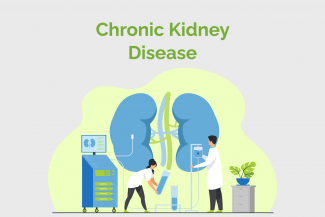
    Chronic kidney disease (CKD) is a worldwide public health problem.  lthough the exact reasons for the growth of CKD are unknown, changes in the demographics of the population, differences in disease burden among racial groups, and under-recognition of earlier stages of CKD and of risk factors for CKD may partially explain this growth It is also known as Chronic Renal Disease. 
Submitted by PatientsEngage on 27 January 2016
CKD Chronic Kidney Disease Treatments

Your doctor may suggest the following treatments for CKD:

Treatment for CKD depends on the cause, stage, and severity of the disease. The goals are to slow kidney damage, manage symptoms, prevent complications, and reduce the risk of heart disease and kidney failure.

The Four Pillars of CKD Treatment

The latest KDIGO (Kidney Disease: Improving Global Outcomes) guidelines recommend a "Four Pillars of Therapy" approach. Unlike the past, when treatment focused mainly on controlling blood pressure and blood sugar, these medicines have been shown to slow the progression of CKD, protect the kidneys, and reduce the risk of heart disease. Not everyone with CKD will need all four medicines. Your doctor will recommend the most appropriate treatment based on your kidney function, the cause of CKD, and whether you have conditions such as diabetes or protein in the urine.

1. ACE inhibitors (ACE inhibitors) or ARBs

These medicines are commonly prescribed, particularly if you have high blood pressure or protein (albumin) in your urine. They lower blood pressure, reduce protein leakage into the urine and slow further kidney damage

2. SGLT2 inhibitors

These newer medicines help protect both the kidneys and the heart. They:

  • Slow the progression of CKD

  • Reduce the risk of kidney failure

  • Lower the risk of heart failure and cardiovascular disease

  • Can benefit many people with CKD, even if they do not have diabetes

3. Non-steroidal mineralocorticoid receptor antagonists (nsMRAs)

Medicines such as finerenone may be recommended for some people with type 2 diabetes and CKD who continue to have protein in their urine despite other treatment. They help reduce kidney damage and lower the risk of heart complications.

4. GLP-1 receptor agonists

These medicines may be recommended for people with type 2 diabetes who need better blood sugar control. They can also reduce the risk of heart disease, help with weight management and provide additional kidney protection.


Other treatments for CKD

Along with the four pillars of therapy, your doctor may recommend other treatments depending on your individual needs.

Treat the underlying cause: Managing conditions such as diabetes, high blood pressure, autoimmune diseases, or kidney infections can help slow the progression of CKD.

Lifestyle changes

Healthy lifestyle habits play an important role in protecting your kidneys. Your healthcare team may advise you to:

  • Follow a kidney-friendly diet

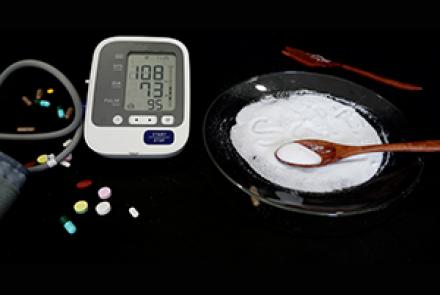
  • Reduce salt (sodium) intake

  • Stay physically active

  • Maintain a healthy weight

  • Stop smoking

  • Limit alcohol intake

Treat anaemia

Damaged kidneys may produce less erythropoietin, a hormone that helps make red blood cells. This can lead to anaemia. Treatment may include:

  • Iron supplements (oral or intravenous)

  • Erythropoiesis-stimulating agents (ESAs), if needed

Manage bone and mineral problems

CKD can affect calcium, phosphate and vitamin D levels, increasing the risk of weak bones. Treatment may include:

  • Dietary phosphate restriction

  • Phosphate binders

  • Vitamin D or active vitamin D (calcitriol or related medicines)

  • Medicines to control parathyroid hormone (PTH), if needed

Treat fluid retention: If your body retains extra fluid, your doctor may prescribe diuretics ("water tablets") to reduce swelling and help control blood pressure.

Lower cholesterol: Many people with CKD are at higher risk of heart disease. Statins may be prescribed to help lower cholesterol and reduce the risk of heart attack and stroke.

Correct acid build-up: As CKD progresses, acid can build up in the blood (metabolic acidosis). Medicines such as sodium bicarbonate may be prescribed to help restore a healthy acid balance.

Avoid medicines that may harm the kidneys: Some medicines, including certain painkillers (NSAIDs such as ibuprofen and diclofenac), can worsen kidney damage. Always check with your healthcare provider before starting any new medicine, including over-the-counter medicines or herbal supplements.

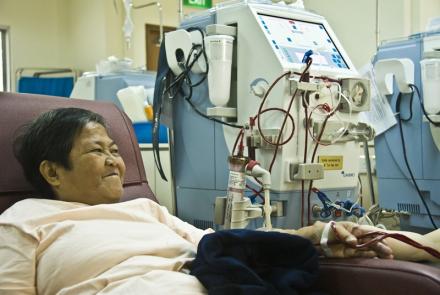
Dialysis or kidney transplant: If CKD progresses to Stage 5 (kidney failure) and the kidneys can no longer meet the body's needs, dialysis or a kidney transplant may be recommended.


Regular monitoring

Regular follow-up is an essential part of CKD care. Your doctor may monitor:

  • Kidney function (eGFR)

  • Urine protein (ACR)

  • Blood pressure

  • Blood sugar (if you have diabetes)

  • Potassium and other electrolytes

  • Haemoglobin (to check for anaemia)

  • Calcium, phosphate and vitamin D levels

These tests help your healthcare team assess how well your kidneys are working, monitor the effectiveness of treatment, and make changes if needed.

Remember: CKD can often be managed successfully, especially when it is detected early. Taking your medicines as prescribed, adopting healthy lifestyle habits, attending regular check-ups, and working closely with your healthcare team can help slow disease progression and improve your quality of life.

Changed
28/Jul/2026

Stories

  • Why is Blood Calcium Level Important?
    This time in our Health by Numbers/Medical Tests series, Dr Shital Raval takes a look at the importance of Calcium levels in the metabolic panel. Read the previous parts on Sodium Levels, Potassium Levels and Chloride Levels CALCIUM: Calcium is an important component of our bones, teeth, nerve cells and organs such as heart and kidneys. A blood calcium test is ordered if there are any symptoms of any bone or neurological disorders, kidney stones etc or can be a part of a Comprehensive…
  • Do You Need the Serum Chloride Test?
    This time in our Health by Numbers/Medical Tests series, Dr Shital Raval takes a look at the importance of Chloride levels in the electrolyte panel. Read the first part on Sodium Levels and second part on Potassium Levels An electrolyte panel is a blood test that measures the common minerals in the body such as sodium, calcium, chloride, magnesium, phosphorous, and potassium. Electrolytes are essential for the proper functioning of the heart, muscles and brain as they are needed to…
  • Why is Potassium Level Important?
    This time in our Health by Numbers/Medical Tests series, Dr Shital Raval takes a look at the importance of Potassium levels in the electrolyte panel. Read the first part on Sodium Levels  POTASSIUM: Potassium is both a mineral and electrolyte. It is important for heart, muscle, digestive and nerve functioning.  The potassium test is often part of a routine or done to check on the electrolyte balance of the body. The best sources of potassium are: Leafy greens such as swiss chard,…
  • The Importance of Electrolyte Balance - Sodium
    This time in our Health by Numbers/Medical Tests series, Dr Shital Patel takes a look at our electrolyte levels in our blood. An electrolyte imbalance, commonly caused by loss of body fluids through prolonged vomiting, diarrhoea, sweating or high fever, can result in various health disorders, like restlessness, anxiety, kidney diseases or even cardiac arrest. An Electrolyte Panel is a blood test that measures the common minerals in the body such as sodium, calcium, chloride, magnesium,…
  • How to Avoid Dialysis and Kidney Failure
    It is estimated that about 2 lakh (200,000) new patients develop end-stage kidney failure every year in India. Dialysis can extend their life, but the treatment can be demanding and disruptive. Dr. Jyotsna Zope, a senior consultant Nephrologist gives us an overview about dialysis and advices ways to prevent kidney problems and diseases. What is dialysis? Dialysis is a procedure by which waste product and excess water are removed from the body. The waste products (‘Uremic toxins’) are the end…
  • Life will only get you down if you focus on the negatives
    61 year old Mdm Ruhaya is lovingly referred to as ‘sayang’ by the nurses here at KDF. With a characteristic twinkle in her eye and a warm chatty personality, one would not guess that she is a kidney failure patient. Mdm Ruhaya stays positive despite her illness and says that she has learnt to adapt to the hardships she faces by choosing to focus on the simple joys of everyday life. However, she acknowledges that life has been exceptionally cruel to her over the years. At a young age she not…
  • Reminiscence
    Imagine a time when your spouse, sibling, child, or even yourself, had to be responsible for connecting tubing and inserting needles into your arm for medical treatment. It is quite unthinkable for most of us as we are used to these procedures being done by medical professionals. But that was the situation at the Self Dependency Dialysis Unit (SDDU) at Alexandra Hospital before KDF took over its management in 1996. Mdm Tan (not her real name or picture) is one of KDF’s first patients and one of…
  • Where Being Different Is Unaccepted
    “Prejudice is the child of ignorance.” ― William Hazlitt ― In a diverse and informed society like Singapore, it remains not completely uncommon to hear of instances of discrimination. While it is understandable to fear or even condemn something that is strange or new to us, we should be reminded that understanding breeds tolerance and empathy. A Gift of Life Mr S, is a dialysis patient at the San Wang Wu Ti-KDF Centre at Kreta Ayer, and he has been dialysising there for slightly over a year. He…
  • Courage Against All Odds
    Courage, as defined by the Oxford dictionary, is 'the ability to do something that frightens one' and 'strength in the face of pain or grief'. But how exactly does it show in everyday life? To Mr Neo, every waking moment entails a conscious act of courage. Courage is taking the bus alone. Courage is looking past the curious eyes and indifference of others. Courage is taking every day in stride, despite being partially blind and dependent on dialysis for life. Neo - as he amiably requests to…
  • Keeping Faith
    Mdm Zainon's life took an unexpected turn after a hit and run accident in Malaysia. She is now on daily peritoneal dialysis and her faith keeps her going through the difficult phases. Read on here:   We all imagine that when the time comes we age gracefully and naturally, surrounded by the warm and smiling faces of our children and grandchildren. We envision that life would be simpler, slower – better. So what do you do when you are aged and forced to accept that you are now a feeble…