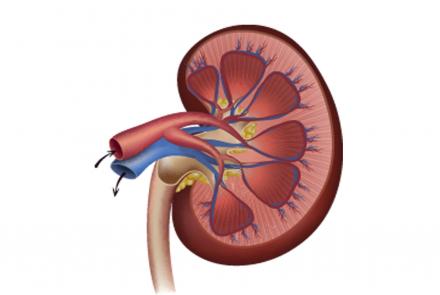
Chronic kidney disease (CKD) is a worldwide public health problem.
lthough the exact reasons for the growth of CKD are unknown, changes in the demographics of the population, differences in disease burden among racial groups, and under-recognition of earlier stages of CKD and of risk factors for CKD may partially explain this growth
It is also known as Chronic Renal Disease.

Your doctor may suggest the following treatments for CKD:
Treatment for CKD depends on the cause, stage, and severity of the disease. The goals are to slow kidney damage, manage symptoms, prevent complications, and reduce the risk of heart disease and kidney failure.
The Four Pillars of CKD Treatment
The latest KDIGO (Kidney Disease: Improving Global Outcomes) guidelines recommend a "Four Pillars of Therapy" approach. Unlike the past, when treatment focused mainly on controlling blood pressure and blood sugar, these medicines have been shown to slow the progression of CKD, protect the kidneys, and reduce the risk of heart disease. Not everyone with CKD will need all four medicines. Your doctor will recommend the most appropriate treatment based on your kidney function, the cause of CKD, and whether you have conditions such as diabetes or protein in the urine.
1. ACE inhibitors (ACE inhibitors) or ARBs
These medicines are commonly prescribed, particularly if you have high blood pressure or protein (albumin) in your urine. They lower blood pressure, reduce protein leakage into the urine and slow further kidney damage
2. SGLT2 inhibitors
These newer medicines help protect both the kidneys and the heart. They:
-
Slow the progression of CKD
-
Reduce the risk of kidney failure
-
Lower the risk of heart failure and cardiovascular disease
-
Can benefit many people with CKD, even if they do not have diabetes
3. Non-steroidal mineralocorticoid receptor antagonists (nsMRAs)
Medicines such as finerenone may be recommended for some people with type 2 diabetes and CKD who continue to have protein in their urine despite other treatment. They help reduce kidney damage and lower the risk of heart complications.
4. GLP-1 receptor agonists
These medicines may be recommended for people with type 2 diabetes who need better blood sugar control. They can also reduce the risk of heart disease, help with weight management and provide additional kidney protection.
Other treatments for CKD
Along with the four pillars of therapy, your doctor may recommend other treatments depending on your individual needs.
Treat the underlying cause: Managing conditions such as diabetes, high blood pressure, autoimmune diseases, or kidney infections can help slow the progression of CKD.
Lifestyle changes
Healthy lifestyle habits play an important role in protecting your kidneys. Your healthcare team may advise you to:
-
Follow a kidney-friendly diet
-
Reduce salt (sodium) intake
-
Stay physically active
-
Maintain a healthy weight
-
Stop smoking
-
Limit alcohol intake
Treat anaemia
Damaged kidneys may produce less erythropoietin, a hormone that helps make red blood cells. This can lead to anaemia. Treatment may include:
-
Iron supplements (oral or intravenous)
-
Erythropoiesis-stimulating agents (ESAs), if needed
Manage bone and mineral problems
CKD can affect calcium, phosphate and vitamin D levels, increasing the risk of weak bones. Treatment may include:
-
Dietary phosphate restriction
-
Phosphate binders
-
Vitamin D or active vitamin D (calcitriol or related medicines)
-
Medicines to control parathyroid hormone (PTH), if needed
Treat fluid retention: If your body retains extra fluid, your doctor may prescribe diuretics ("water tablets") to reduce swelling and help control blood pressure.
Lower cholesterol: Many people with CKD are at higher risk of heart disease. Statins may be prescribed to help lower cholesterol and reduce the risk of heart attack and stroke.
Correct acid build-up: As CKD progresses, acid can build up in the blood (metabolic acidosis). Medicines such as sodium bicarbonate may be prescribed to help restore a healthy acid balance.
Avoid medicines that may harm the kidneys: Some medicines, including certain painkillers (NSAIDs such as ibuprofen and diclofenac), can worsen kidney damage. Always check with your healthcare provider before starting any new medicine, including over-the-counter medicines or herbal supplements.
Dialysis or kidney transplant: If CKD progresses to Stage 5 (kidney failure) and the kidneys can no longer meet the body's needs, dialysis or a kidney transplant may be recommended.
Regular monitoring
Regular follow-up is an essential part of CKD care. Your doctor may monitor:
-
Kidney function (eGFR)
-
Urine protein (ACR)
-
Blood pressure
-
Blood sugar (if you have diabetes)
-
Potassium and other electrolytes
-
Haemoglobin (to check for anaemia)
-
Calcium, phosphate and vitamin D levels
These tests help your healthcare team assess how well your kidneys are working, monitor the effectiveness of treatment, and make changes if needed.
Remember: CKD can often be managed successfully, especially when it is detected early. Taking your medicines as prescribed, adopting healthy lifestyle habits, attending regular check-ups, and working closely with your healthcare team can help slow disease progression and improve your quality of life.
Changed
28/Jul/2026
Condition