Submitted by Dr S. Patel on 22 May 2017

This time in our Health by Numbers/Medical Tests series, Dr Shital Patel takes a look at our electrolyte levels in our blood. An electrolyte imbalance, commonly caused by loss of body fluids through prolonged vomiting, diarrhoea, sweating or high fever, can result in various health disorders, like restlessness, anxiety, kidney diseases or even cardiac arrest.

An Electrolyte Panel is a blood test that measures the common minerals in the body such as sodium, calcium, chloride, magnesium, phosphorous, and potassium. This also includes bicarbonate or CO2 that takes the form of bicarbonate in blood. CO2 is the waste product of metabolism. Electrolytes are essential for the proper functioning of the heart, muscles and brain as they are needed to maintain balance in the body fluids.

An electrolyte panel blood test may be ordered as part of a regular health check or to check on any electrolyte changes.

SODIUM:

A sodium blood test, also called Serum sodium test allows a doctor to check on the sodium levels in the body. Sodium is an important mineral and electrolyte that is necessary for functioning of cells in the body and maintaining electrolyte balance. It is also called Na+.

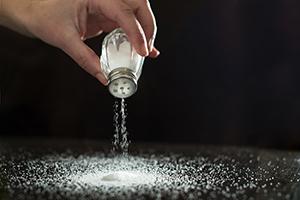
Sodium is commonly found in foods that have them naturally or during cooking. It can be in the form of sodium chloride (salt) or as sodium bicarbonate (baking soda). It is also found in certain medications, such as paracetamol, aspirin, soluble ibuprofen, alka seltzer and laxatives and personal care products such as toothpaste, mouthwash, denture cleansers etc.

The blood, plasma and the lymph contain about 85% of the sodium in the body. A hormone called aldosterone which is produced by the adrenal gland is known to control some of the sodium levels via the kidneys. Apart from urine, sodium is also lost via stool and sweat. 

Normal results for sodium are 135 to 145 mEq/L (milliequivalents per liter), but these values may vary slightly from lab to lab.

High Sodium levels (Hypernatremia):

A high sodium level in the blood is also called Hypernatremia. This can be caused by several factors such as:

  • A high-sodium diet. (Learn about the DASH Diet) 
  • Dehydration or not drinking enough water. 
  • Water level imbalance due to certain medicines like diuretics, severe vomiting, diarrhea, Kidney disease, Cushing’s syndrome, diabetic ketoacidosis, diabetes insipidus, etc. 
  • High aldosterone levels or hyperaldosteronism.

Low Sodium levels (Hyponatremia):

A low sodium level in blood is termed Hyponatremia. Causes include:

  • Drinking too much water (psychogenic polydipsia). 
  • Poor nutrition.
  • Water loss from body due to excessive sweating, vomiting or diarrhea.
  • Underlying conditions such as underactive thyroid or adrenal glands, kidney disease, liver cirrhosis, heart failure, cystic fibrosis, SIADH (syndrome of inappropriate antidiuretic hormone secretion) etc.

Factors that may affect results:

  • Current medications such contraceptive pills, corticosteroids, antibiotics, antidepressants, heparin, estrogens, NSAIDs, lithium, hypertensive pills and diuretics.
  • Having high blood sugar levels
  • Recent saline IV fluid injection during a hospital stay.

Next in the series: Importance of Right Potassium Levels


Changed
14/Mar/2022

Stories

  • A person's arm cuffed by a BP monitor
    How To Choose And Use A Home Use Blood Pressure Monitor
    If you plan to measure your blood pressure at home, you will need to buy a home blood pressure monitor. It is important to be sure that the blood pressure monitor you choose is accurate and the right one for you. Also, you must use the monitor properly. Sometimes a doctor may ask you to monitor your hypertension/blood pressure more frequently. In such cases, it may make sense to buy a BP monitor for home use. Here is some guidance on how to choose a BP monitor and how best to use it. How to…
  • "Stress And Hypertension Are The Biggest Enemies"
    Atul Garg*, 31 has been battling Type I Diabetes for last 8 years and has understood how important it is to lead a disciplined life to be able to keep the diabetes in check.  Please tell us a bit about your condition I am an insulin dependent Type 1 diabetic. I have been diagnosed with Type1 diabetes at the age of 23 What were the early symptoms? Feeling thirsty, frequent urination, weight loss, hunger, skin turning blackish, tiredness etc. Is there a history of diabetes (Type 1 or 2)…
  • Image of a heart with the text HYPERTENSION wrapped in a blood pressure monitor held by a physician
    Can I Exercise If I Have Hypertension?
    While exercise is one of the best ways to manage hypertension, there are are some precautions you must take while exercising if you have High Blood Pressure.   Exercise is the best way to lower blood pressure and is highly recommended by doctors for people with Hypertension (high blood pressure). Exercises help the heart pump blood more efficiently thereby decreasing the strain on the arteries and lowering the blood pressure. Exercising also aids in increasing energy levels and…
  • A person using a blood pressure monitor
    10 Travel Tips for Persons with Hypertension
    Millions of people with hypertension travel for holiday or work.  Whether you are a frequent traveler or an occasional traveler, it is important to follow certain guidelines to avoid potential complications, especially for airline travel.   1.   Get a check-up A regular check-up with your primary doctor along with vital tests should be ideally done before you book any holiday. Discuss any and all health concerns and make sure you are fit to travel. Update or take any…
  • A man sleeping with a CPAP machine attached to his face
    How I Fixed My Sleep Apnea Problem
    Rohan Kapoor*, 42 from Delhi has been dealing with Obstructive Sleep Apnea disorder for last fifteen years, and uses a CPAP machine to get undisturbed sleep. Please tell us a bit about your condition I have been living with Obstructive Sleep Apnea (OSA) since 2004, when it was diagnosed through a Sleep test. I use a CPAP machine to help me sleep and manage my condition fairly successfully because of the device. हिंदी में पढ़ें: मैंने अपनी स्लीप एपनिया समस्या को कैसे ठीक किया What were the…
  • Stock pic of a doctor in a white coat measuring the BP of a patient whose arm has a BP monitor band
    Less Than 10% Indians Have Blood Pressure Under Control
    In an interview with PatientsEngage,  Dr Dorairaj Prabhakaran, Vice President – Research and Policy, PHFI and one of the main authors of the study answers questions on the findngs and implications of population based study on Hypertension in India. The Silent Killer or Hypertension continues to strike us with an estimated 10.8% of all deaths, which equates to 9.4 million deaths each year worldwide1. These are the statistics from the study published by Nature’s Journal of Human…
  • Ragi Veg Tart - A Diabetes Friendly Recipe
    Most tarts are made from refined flour (maida) and often are loaded with sugar or cheese. Here is a recipe with a difference - good for everyone, especially people with diabetes contributed by Diabetes Awareness and You Serves:    4 Ingredients for Ragi Veg Tart Ragi (millet) flour:  100gm Wheat flour: 2 Tbsp Mix veg ( tricolour bellpepper, broccoli, Cabbage):  1 ⅟₂cup                      Green chilli :  1 pc Onion…
  • What Is Diabetes Distress And How to Handle It
    Managing your diabetes can seem like a never ending task that leaves you emotionally drained. Dr. Indu Elizabeth Mathew, Consultant, Department of Endocrinology, Ernakulam Medical Centre talks of the concept of Diabetes Distress and how it affects Type 1 and Type 2 patients and their family members and what they can do about it. Updated on 24 March 2019 with the Diabetes Distress Study Details What is Diabetes Distress? Are there different types of distress and worry that affect people with…
  • Partial image of a person in a white doctor coat with stethoscope around the neck holding an image of kidney
    Common Myths about Kidney Health
    Worldwide 850 million people suffer from some form of kidney disease. Kidney diseases are also one of the leading causes of death worldwide, estimated to be 2.4 million deaths per year. Dr. Rajesh Kumar, a Kidney Specialist and Transplant Surgeon from Mumbai helps explain the misconceptions around kidney health. PatientsEngage asked Dr. Rajesh Kumar about common beliefs on Kidney health: I must drink 8 glasses of water daily to keep my kidneys healthy and get rid of toxins. One to 1.5…
  • Pregnancy and Diabetes
    Dr Kanika Chaudhuri, practicing consultant Obstetrician and Gynaecologist, Singapore talks of the Risks of Gestational Diabetes and how to control diabetes before, during and after pregnancy As the age of childbirth goes up due to changing demographics, we are seeing more patients with pre-existing diabetes and the incidence of Gestational diabetes mellitus (diabetes developing in pregnant women) is also on the rise. Both these conditions need multi-disciplinary management to…