
Submitted by PatientsEngage on 5 April 2018
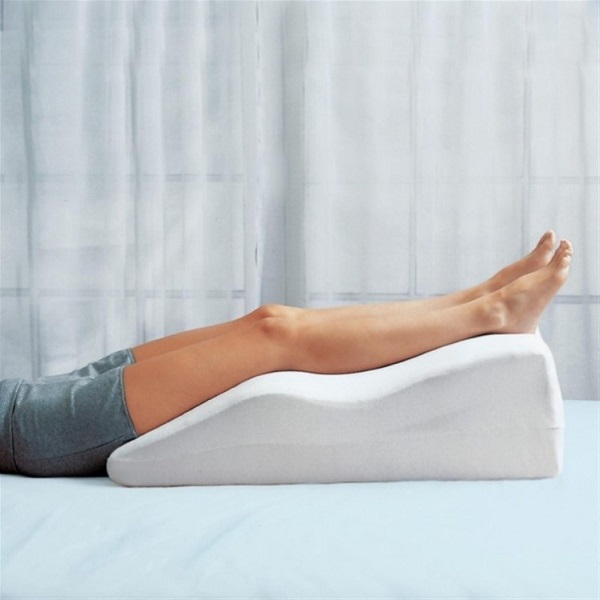
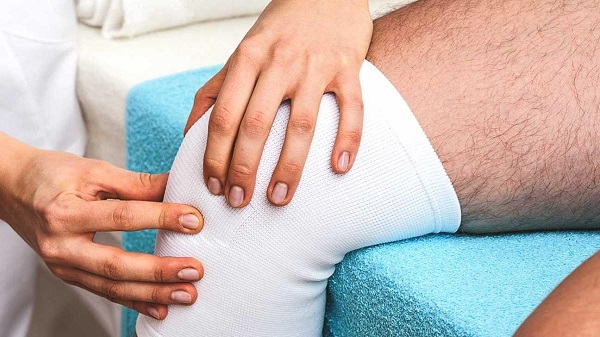
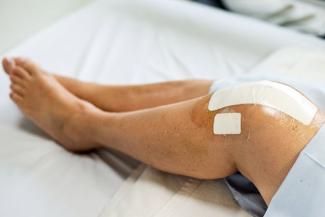
Image: Knees and lower legs of a woman on a hospital bed after a knee replacement surgery

Even though knee replacement operations have become more commonplace these days, one needs to be aware of the do’s and dont’s after the operation. 

When the severity of a condition is such that physiotherapy for knee pain and any other conversant treatment fails, knee replacement becomes binding. Recovering from knee replacement can be highly challenging especially during the initial days. Here is a comprehensive guide on post-operative care for knee replacement so that both you and your loved ones can oblige to the respective roles smoothly:

1.    Start with the basics:

As Post-operative care for knee replacement begins at home, the foremost step is to prep up the basics. When we say prepping up the house, we mean:

  • Sufficient lighting to avoid undesirable falls.
  • Spare pillows for leg elevation as and when required.
  • A bed that isn’t too high or low.
  • Ice pack supply.
  • Comfortable sleepwear.
  • Essential toiletries and dressing items.
  • Arrangement of phone near the bed for emergency calls.

2.    Unsullied medication and wound care schedule:

Optimal post-operative care for knee replacement is based mainly on how the medication is administered and how professionally the wound is monitored.

  • Create digital reminders for meting out timely medication.
  • Renew subscriptions from your doctor at regular intervals.
  • Check the operated area every day to ensure there is no visible inflammation or swelling in either of the legs or area around the knee.
  • In case you are a working caretaker, outsource your responsibility to any at-home provider of post-operative nursing care services.

3.    Backing on chores:

Any task that involves standing, stretching or bending will not be feasible for the patient thus mandating 24x7 surveillance.

Under any circumstance, do not let the patient perform:

  • Household chores like cooking, cleaning, dusting etc.
  • Personal hygiene regimes like bathing, dressing, and grooming.

4.    Push for rehab and exercises:

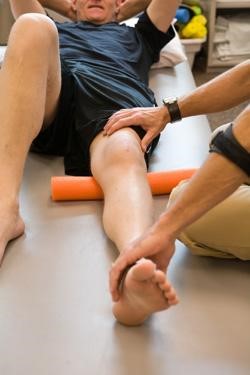
Adhering to a dedicated rehab plan is the key to rapid healing post knee replacement surgery. Exercising can be as mild as walking for 15-20 minutes twice a day or adopting a well-structured physiotherapy treatment.

The catch here is that exercising post knee replacement surgery is painful and this is where the role of loved ones comes in. Every time the patient complains about knee pain during exercise, it is essential to be their support system and motivate them by reminding how a little throbbing today will speed up their recovery process tomorrow!

5.    Hire reliable nursing care services:

Executing post-operative care for knee replacement is not as easy as it sounds. It becomes highly demanding for the caretaker to differentiate their life from the patient’s thus making them feel frustrated by day end.

Let’s be honest; you don’t need to fulfill all responsibilities alone. The recovery from knee replacement surgery can take long, both emotionally and physically thus making at home nursing care services a sane choice. 

Contributed by Healers at Home


Changed
21/Dec/2019

Stories

  • My excitement about life lets me forget the pain
    It’s impossible to imagine that super-tough fitness instructor Neha was once immobile with rheumatoid arthritis. She shares her story – from pain to power.  Like many of us do, I have clear, early images of myself. I was never a fat girl, but I was definitely on the plumper side, one of the reasons I took to exercising young. At 15, I began an exercise regimen. Days turned to months and months to years. Eight years later, at 23, I got married. Exercising remained an …
  • Back on her feet after decades of struggle with Rheumatoid Arthritis
    For 48-year-old Sachi Pathak, life was never pain-free. A sports enthusiast, Sachi was always ahead in participating in all gymnastic activities in her school. One day while forming a pyramid (a gymnastic formation) she fell on her knees. Her knees became stiff and her movement became limited. She was rushed to the nearest hospital and over a series of diagnostic tests it was found that she suffered from rheumatoid arthritis.  In Sachi’s case, RA had affected both her knees and hip joints…
  • Excess weight and food allergies cause arthritis - True or False?
    Find out this and more from Dr Shital Raval  1. Can excess weight cause osteoarthritis? Recent medical opinion points to excess weight as a cause for osteoarthritis. It is also known that obesity makes the symptoms worse in patients with existing osteoarthritis. This is because obesity tends to decrease mobility and puts stress on the back, hips, knees and feet, all the body parts that are commonly affected by osteoarthritis. Over time this stress can cause the…
  • Inflammation
    Inflammation has been linked to a slew of diseases – from allergies to cancer, heart trouble, bowel problems and diabetes. What is it and how can we protect ourselves. - By paediatrician and family practitioner Dr Gita Mathai. What is inflammation? The word is derived from the Latin “inflammo” meaning ignite or set alight. It conjures up visions of fire, and it is the body’s response to an injury, like a broken bone, a scrape in the skin or an infection by an organism (…
  • A stock pic of a pregnant woman sitting on the grass
    Pregnancy and Arthritis
    Women with arthritis can get pregnant. It is better for them to discuss with both their treating rheumatologist or endocrinologist and their OB-GYN and plan their pregnancy. Find out how pregnancy affects your arthritic symptoms and how you can deal with them. Women with arthritis who are pregnant are affected in different ways. In arthritis, joints are inflammed and painful. For some pregnant women, the added weight of pregnancy may increase pain and discomfort. But 70-80% of women…
  • Walking to Help Knee OA: How Much Is Enough?
    Researchers find 6,000 steps per day is the “magic” number for preventing activity limitations in people with knee osteoarthritis (OA), according to a new study published recently online in Arthritis Care & Research. If you have not been doing much walking, start with 3000 steps and then move up to 6000 steps per day http://www.arthritistoday.org/news/walking-protects-against-limitations-348.php
  • Osteoporosis overview
    Osteoporosis
    is a common condition, usually seen in the elderly, of diminished bone mass and low bone weight, which leads to fragile bones. Bones are living tissue constantly being broken down and rebuilt by the body. During childhood and youth, you form new bone faster than you lose old bone. Between the ages of 18 and 30, you reach peak bone mass. As people age, bone loss increases. Osteoporosis occurs when the body doesn’t create enough new bone to keep up with the absorption or…
  • Men get Arthritis, too
    Living with RA is living with pain but “Don’t let the disease define you”. RA causes pain in his hands, but he plays the piano every day to keep his fingers moving and his brain active. http://www.everydayhealth.com/news/men-get-arthritis-too/?xid=tw_everydayhealth_sf
  • , , , , , ,
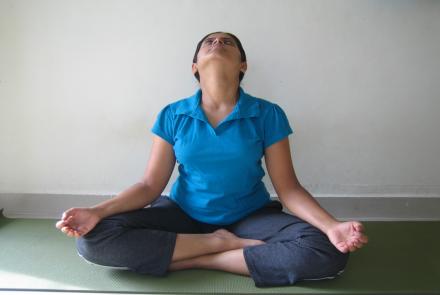
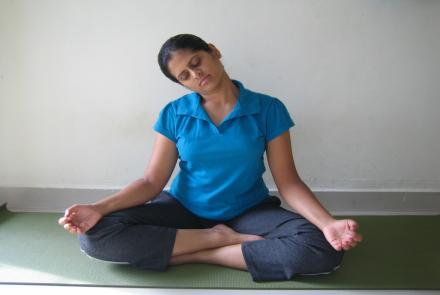
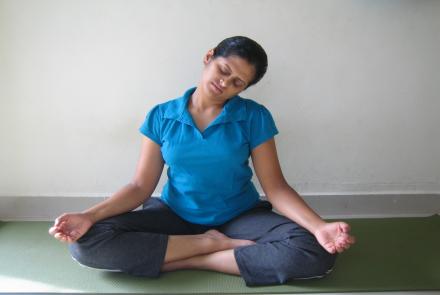
    Yoga Arthritis - Greeva Sanchalana (Neck Movement)
    Meaning Greeva is neck and Sanchalana means movement Benefits of Greeva Sanchalana 1. Strengthens the muscles of the neck and the shoulders 2. Releases tension, heaviness and stiffness in the head, neck and shoulder region especially after lengthy desk-work 3. Stimulates and provides relief to nerves of different organs (especially all sensory organs) that pass through the neck. 4. When the movement is performed slowly and rhythmically with slow and deep breathing, it calms the mind and is…
  • , ,
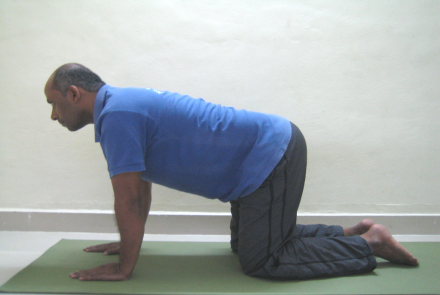
    Yoga Arthritis - Marjari Asana (Cat Pose)
    Meaning Marjari means Cat and Asana means Pose. Benefits of Marjari Asana 1. Improves flexibility of the spinal cord 2. Strengthens the whole spine, upper back, shoulders and neck 3. Releases tension from the lumbar region (lower back), cervical region (upper back and neck) 4. Tones the female reproductive system 5. Releases tension and pain Contraindications People with severe knee pain, vertigo and spondylosis should avoid this asana. The Posture 1. Get on your knees, keeping hip-wide…