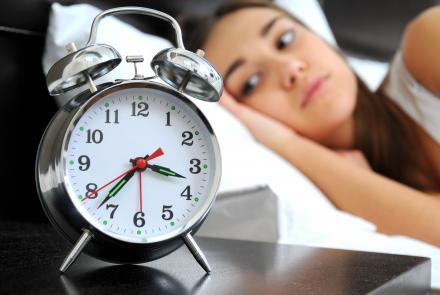

Symptoms of insomnia include;
Difficulty falling asleep despite being tired
Trouble getting back to sleep if awakened
Waking up frequently during the night
Waking up too early in the morning
Relying on sleeping pills or alcohol to fall asleep
Daytime drowsiness, fatigue or irritability
Difficulty concentrating during the day
When to seek insomnia treatment
If you’ve tried changing your lifestyle and it hasn’t helped, you may need to see a doctor or sleep disorder specialist…

Insomnia is one of the commonest sleep disorders, yet it is often dismissed as simply "poor sleep." In a recent Unpacking Decisions podcast, psychiatrist Dr. Milan Balakrishnan explained what defines insomnia, why timely recognition is important, and the key facts every patient should know about managing the condition.
Definition of Insomnia
Insomnia is not just difficulty in initiating sleep but also in staying asleep or maintaining sleep. It can also involve waking up repeatedly during the night or waking too early and being unable to fall back asleep. It becomes a medical concern when it occurs regularly and affects your daytime functioning and feeling of wellbeing. Clinically, it would entail sleep-affected 3 days a week continuing for 3 months or more. If less than 3 months, it is called Acute Insomnia and when it’s more than 3 months, it is called Chronic insomnia.
Click here to view the podcast video:
Sleep architecture
Sleep is made up of two main stages: REM (Rapid Eye Movement) sleep and NREM (Non-Rapid Eye Movement) sleep. Both stages play essential roles in maintaining physical and mental health.
- NREM sleep is the deeper, restorative stage of sleep. It allows the body to repair tissues, strengthen the immune system, and restore energy.
- REM sleep is the stage in which most dreaming occurs. It is important for memory, learning, emotional regulation, and brain development.
Throughout the night, the body cycles through both NREM and REM sleep several times, with each stage contributing to healthy, refreshing sleep.
Underlying health conditions
Persistent insomnia shouldn't be ignored. It may be the primary condition where it is just sleep related or a secondary condition due to other causes. It may be linked to anxiety, depression, sleep apnoea, thyroid disorders, hypertension, or other medical conditions. Identifying the underlying cause is often the first step towards effective treatment.
Poor sleep consequences
Sleep is the most important factor of wellbeing, so it is essential for both physical and mental health. Long-term sleep problems have been linked to poor concentration, memory issues, weight gain (esp metabolic disease), type 2 diabetes, heart disease, stroke, and reduced immunity.
Common sleep myths
- Forget the "8-hour rule". There is no perfect number of sleep hours that suits everyone. Different age groups have different sleep requirements. Instead of counting hours, ask yourself:
- Do I wake up feeling refreshed?
- Can I stay alert during the day?
- Do I have enough energy to carry out my daily activities?
- Alcohol may help you fall asleep faster, but it reduces sleep quality, causes restlessness, and reduces REM stage of sleep. Disrupting the architecture of sleep also increases the tolerance where more and more alcohol is needed to induce asleep.
- You cannot completely make up for lost sleep by sleeping in on weekends. Sleep debt accumulates if you don’t sleep enough for many days. This impacts physical and cognitive health. Regular, consistent sleep is far more beneficial.
People at Risk for Insomnia
People living with chronic illnesses, caregivers, shift workers, individuals experiencing grief, and women during perimenopause are more likely to experience sleep problems because of ongoing stress, hormonal changes, or disrupted routines.
Effect of Screen time
Exposure to screen light close to bedtime gives the body the illusion that it is still daytime, affecting the normal release of melatonin. This further delays the body's natural sleep cycle. Secondly, exposure to online content can be stimulating, exciting, or emotionally triggering, making it difficult for the body to transition into a resting state. Time spent online also reduces the amount of time available for sleep. Once sleep patterns start to shift, getting them back on track often requires considerable and consistent effort.
Medications for insomnia
Several types of medications may be used to treat insomnia. Medication is usually considered when insomnia is persistent or significantly affects daily life. The choice depends on the cause of the insomnia, the person's age, other medical conditions, and whether the problem is falling asleep, staying asleep, or both.
- Melatonin receptor agonists: Help regulate the body's natural sleep–wake cycle and are mainly used for difficulty falling asleep.
- Orexin receptor antagonists: Block the action of orexin, a brain chemical that promotes wakefulness, making it easier to fall and stay asleep. Has fewer side-effects and no dependency.
- Benzodiazepines: Sedative medications that help induce sleep but are generally recommended only for short-term use because of the risk of dependence, tolerance, and daytime drowsiness.
- Non-benzodiazepine hypnotics ("Z-drugs"): Help with sleep onset and/or sleep maintenance and are intended for short-term use.
- Certain antidepressants: Sometimes prescribed when insomnia occurs alongside depression or anxiety, or when their sedative effects may be beneficial.
Cognitive Behavioural Therapy for Insomnia (CBT-I)
is recommended as the first-line treatment for chronic insomnia because it addresses the underlying causes like sleep habits, behaviours and thought processes, thus providing longer-lasting benefits for people. It takes 6-8 weeks, once a week session to address various modalities of intervention.
Some behaviour interventions used by CBT include:
- Do not worry about not being able to sleep.
- Use bed only for sleeping or sex, no other activities like resting, watching TV or reading should be done on the bed.
- If unable to sleep for 15mins, wake up and do some light activity (not in bed) like reading and try to go back to bed only when you feel sleepy.
- Avoid all stimuli before bedtime like caffeine, alcohol, screen time etc.
- Wake up on time no matter what time you sleep.
- Set a daily night time routine.
- Counterintuitive thinking: Instead of trying hard to fall asleep, tell yourself it's okay to stay awake and simply rest. This takes away the pressure and anxiety around sleep, allowing your body to relax and fall asleep naturally. This is also known as paradoxical intention.
Know when to seek help
If sleep problems occur several times a week, continue for weeks or months, or leave you feeling tired, irritable, or unable to function normally during the day, it's time to speak to a healthcare professional. Insomnia is treatable, and early intervention can improve both sleep and overall health.
Key takeaway
Insomnia is not simply about getting too little sleep, it's about how sleep affects your quality of life. The good news is that it is treatable. Understanding the cause, building healthy sleep habits, and seeking the right support can help you reclaim restful sleep and improve your overall well-being.
About our expert:
Dr. Milan Balakrishnan is a licensed psychiatrist with over 13 years of experience providing compassionate care to patients of all ages. He has worked in various mental health settings and is trained in Mindfulness-based therapies. Dr. Balakrishnan is also a respected researcher, educator, and clinical professor at Masina Hospital. Dr. Milan is dedicated to improving mental health and is passionate about online psychiatry.
Changed
19/Jul/2026
Condition