
Dr Sujeet Rajan, a highly reputed Pulmonologist spoke on ILD (Interstitial Lung Disease) and its management in Scleroderma at the Sclerocon e-conference held in June 2023. In simple terms, Dr Rajan explains what happens during ILD and Pulmonary Hypertension and benefits of preventive along with rehabilitative therapy in Scleroderma Lung disease.
Systemic sclerosis or Scleroderma can affect the lung in several ways. What we need to worry about in Scleroderma is pulmonary hypertension,…

Latest Stories
 Dr Prasan Deep Rath, is the Senior Director & Head – Rheumatology at Max Super Speciality Hospital in Saket, New Delhi. He talks about how the heart is a major organ involved in Scleroderma at the Sclerocon e-conference held in June 2023. He details the layers of the heart for better understanding, the connect with lungs and how to recognise the differences between right and left heart failure. In addition, he explains how Scleroderma can affect the heart and how we can detect it on time.…
 Dr Kaushik S Bhojani, a Consultant Rheumatologist talked about the much acclaimed Stem Cell transplant treatment for Scleroderma patients at the Sclerocon e-conference held in June 2023 by Scleroderma India. Dr Bhojani clears the air on who is eligible, what to expect along with the pros and cons of opting for the transplant. Origin of stem cells transplant as treatment option for Scleroderma We know that the treatment of Scleroderma or systemic sclerosis, is less than satisfactory at this…
 Dr Aarya Sree, Consultant dermatologist talked about skin conditions affecting patients with Scleroderma and how they could manage them. She explains in detail how Scleroderma affects the skin. With various products and cosmetic procedures available in the market, Dr Sree clarifies what can or cannot be used or undertaken and why. This session was part of the Sclerocon e-conference held in June 2023. Scleroderma is a multi-organ disease where sclero means hard and derma means skin.…
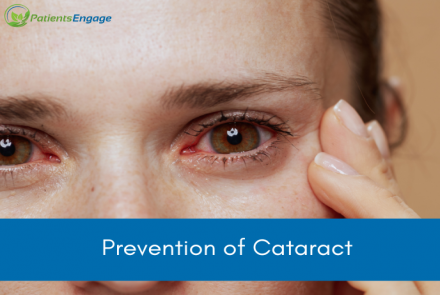 While cataracts cannot be completely prevented, certain measures may help reduce the risk of developing cataracts or delay their progression. Here are some strategies that may be beneficial: Eye Protection from Ultraviolet (UV) Light: Prolonged exposure to sunlight and UV radiation can increase the risk of cataract formation. Quit Smoking: Smoking has been associated with an increased risk of cataract development. Quitting smoking or avoiding smoking altogether can contribute to better eye…
 Managing cataracts involves a combination of lifestyle adjustments, regular eye care, and, in most cases, surgical intervention. Here are some aspects of cataract management: 1. Lifestyle and Daily Routine: Good Lighting: Ensure adequate lighting in your living and working environments to improve visibility. Reduce Glare: Wear sunglasses with UV protection and use anti-glare coatings on eyeglasses. Avoid direct exposure to bright sunlight and use hats or visors outdoors. Magnification:…
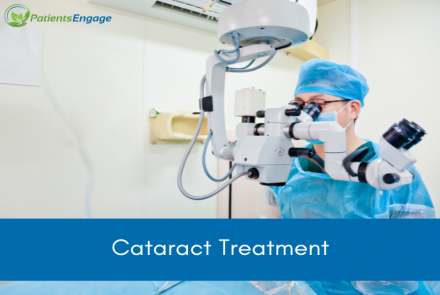 The primary treatment for cataracts is surgical intervention. Cataract surgery involves removing the cloudy lens and replacing it with an artificial intraocular lens (IOL) to restore clear vision. Here is an overview of the cataract treatment process: Preoperative Evaluation: Before the surgery, the ophthalmologist will conduct a thorough evaluation to assess the overall health of the eyes and determine the appropriate type of IOL. Measurements of the eye's dimensions are taken to ensure…
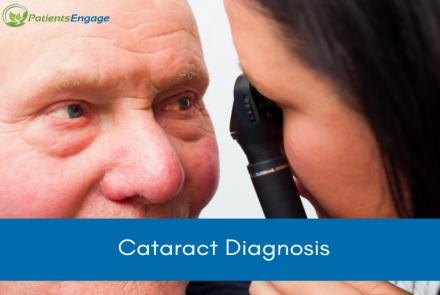 Cataracts are diagnosed through a comprehensive eye examination performed by an ophthalmologist or an optometrist. The diagnosis involves a combination of medical history review, visual acuity tests, and specialized eye examinations. Here are some common diagnostic tests and procedures used for cataract diagnosis: Visual Acuity Test: This test measures the clarity of vision using an eye chart. It helps determine the extent of visual impairment caused by cataracts. Slit-lamp Examination: A slit…
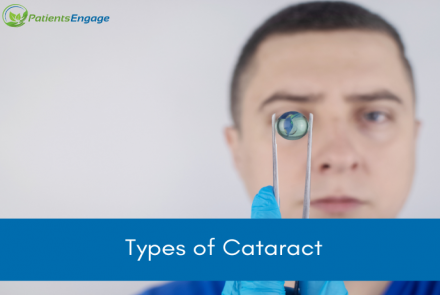 There are several different types of cataracts, which are classified based on their location within the eye or the underlying cause. Based on the cause, cataracts could be classified as: Age-related Cataracts: These are the most common type of cataracts and develop as a result of natural aging processes. They typically occur in individuals over the age of 50 and progress gradually over time. Congenital Cataracts: Congenital cataracts are present at birth or develop shortly after birth during…