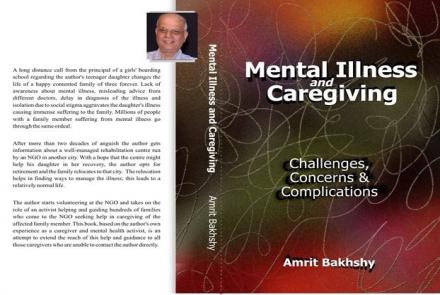
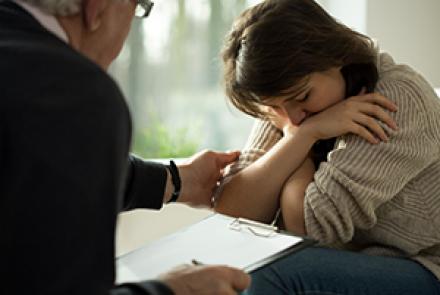
"It is almost a miracle that my sister and I now behave like normal sisters in any other family -- fighting, sharing and laughing." A first person account of a sister caring for a sibling with schizophrenia.
The Beginning of Hope
When we came to SCARF, the Psychiatrist Dr. SK was the 10th doctor to whom we had come to in January 2014. We should have ideally met her some 16 years ago.
Our journey had been a long one, with highs and lows, trials and tribulations, sometimes even thorny. But the…

इस लेख में सीनियर कंसल्टेंट साइकियाट्रिस्ट डॉ. शिवम गुप्ता मानसिक स्वास्थ्य से जुड़ी आपातकालीन देखभाल (इमरजेंसी साइकियाट्रिक ट्रीट्मन्ट) बारे में चर्चा करते हैं। वे इस के अलग-अलग पहलुओं के बारे में विस्तार से बताते हैं – इन में क्या-क्या शामिल होता है, और इस के लिए किसी केंद्र में भर्ती होने से पहले और भर्ती होने के बाद किन बातों का ध्यान रखना चाहिए।
इमरजेंसी साइकियाट्रिक केयर क्या है?
जब कोई व्यक्ति किसी गंभीर मानसिक स्वास्थ्य संबंधी संकट से गुज़र रहे होते हैं तो यह खतरा हो सकता है कि वे खुद को या अन्य लोगों को नुकसान पहुंचाएं या वे सामान्य रूप से काम करने या स्थिति का सामना करने में असमर्थ हों। ऐसी स्थितियों के कुछ उदाहरण – आत्महत्या करने के विचार, बहुत ज़्यादा उलझन होना (जैसा कि डिमेंशिया वाले लोगों को होता है), आक्रामक होना, बहुत ज़्यादा चिंता होना, या वास्तविकता से संपर्क टूटना (जैसा कि स्किज़ोफ्रेनिया जैसी स्थितियों में होता है)। ऐसी स्थितियों में सबसे पहले व्यक्ति की सुरक्षा सुनिश्चित करनी चाहिए, और ज़रूरत पड़ने पर मदद या दवा के ज़रिए उन्हें शांत करना चाहिए। इस स्थिति के संभावित कारणों का पता लगाना चाहिए – चाहे ये कारण मनोवैज्ञानिक हों, शारीरिक हों या नशीले पदार्थों के इस्तेमाल से जुड़े हों। डॉक्टर जाँच के आधार पर तय करते हैं कि क्या व्यक्ति मदद प्राप्त करने के बाद घर जा सकते हैं या क्या उन्हें अस्पताल में भर्ती करने की ज़रूरत है। कुल मिलाकर, इमरजेंसी साइकियाट्रिक केयर का मकसद होता है व्यक्ति की स्थिति को स्थिर करना, उनकी परेशानी कम करना और यह सुनिश्चित कतरन कि उन्हें सही इलाज मिलने लगा है।
Read this in English: How to access Emergency Psychiatric Care
मदद मांगने का सबसे आम तरीका क्या है - संकट में फोन द्वारा सहायता मांगना, या ऐसे में सीधे आ
पके अस्पताल पहुँच जाना?
हमारी संस्था में मदद करने का सबसे आम तरीका है वीडियो सेशन, पर कई स्थितियों में लोग खुद सीधे हमारे अस्पताल में आ जाते हैं। संकट की स्थिति में हमें फ़ोन करना और फोन पर मदद प्राप्त करना भी आम हैं। ऐसी आपातकालीन स्थितियों का होना और लोगों का उन के कारण डॉक्टरों और अस्पतालों से संपर्क करना कितना आम है, लोगों को इसका अंदाजा नहीं है। इस विषय के बारे में अधिक जागरूकता की आवश्यकता है।
संबंधित लेख पढ़ें: घर पर मेडिकल इमरजेंसी के लिए कैसे तैयारी करें
आमतौर पर मदद के लिए संपर्क करने वाले लोग किस उम्र के होते हैं?
मदद के लिए संपर्क करने वाले लोग सभी उम्र के होते हैं, पर ज्यादातर लोग 18-35 वर्ष के आयु वर्ग के होते हैं।
कृपया बताएं कि आपातकालीन मनोरोग संकट में देखभाल की आवश्यकता वाली स्थिति ज्यादातर किस तरह की होती है।
एक आम उदाहरण है ऐसी स्थिति जिस में व्यक्ति के मन में अपनी जान लेने के विचार बार-बार उठते हैं और वे इन विचारों को कम करने के लिए मदद चाहते हैं। कई बार, ये विचार खुद को चोट लगाने वाली घटनाओं से जुड़े होते हैं।
ऑनलाइन थेरेपी कितनी असरदार है?क्या आप इसकी सलाह देते हैं?
थेरेपी के लिए आम तौर पर आमने-सामने मिल कर बात करना बेहतर समझा जाता है, लेकिन यह अकसर संभव नहीं होता – बार-बार ऐसे थेरेपी सेशन के लिए आने-जाने और अन्य प्रबंधन करने में चुनौतियाँ होती हैं। ऐसे में, ऑनलाइन थेरेपी सेशन इन चुनौतियों से निपटने में बहुत मददगार साबित होते हैं और एक असरदार विकल्प हैं।
जिन लोगों को तुरंत मदद की ज़रूरत है, उनके लिए अमाहा की 24/7 सपोर्ट में क्या शामिल है?
24/7 सपोर्ट प्रदान करने के लिए आदर्श यह होता है कि तुरंत खतरे को कम करने के लिए एक थेरेपिस्ट या साइकेट्रिस्ट चौबीसों घंटे मौजूद रहें।
एडमिशन के बाद की प्रक्रिया:
मानसिक रोग से ग्रस्त व्यक्ति/ मरीजों को किन कागज़ों या रिलीज़ फ़ॉर्म की ज़रूरत पड़ सकती है?
अगर व्यक्ति अपनी मर्ज़ी से भर्ती हो रहे हैं, तो उन्हें आधार कार्ड, पासपोर्ट वगैरह जैसा कोई वैध पहचान पत्र (वैलिड आई डी) साथ लाना होगा। भर्ती होने से पहले उन्हें सहमति प्रपत्र (कॉन्सेंट फोरम) पर साइन करना होगा। अगर 'सपोर्टेड एडमिशन' (देखभाल करने वालों की मदद से भर्ती) हो रहा है, तो देखभाल करने वालों को एक अर्जी (एप्लीकेशन) देने की ज़रूरत है जिसमें भर्ती का कारण बताया गया हो; इसके बाद साइकियाट्रिस्ट इस एप्लीकेशन की जांच करते हैं। परिवार के सदस्यों के इमरजेंसी कॉन्टैक्ट डिटेल्स भी देने होंगे। साथ ही, यदि वे हेल्थ इंश्योरेंस कंपनी (बीमा कर्ता) से पैसे क्लेम करना चाहते हैं तो हेल्थ इंश्योरेंस पॉलिसी की जानकारी की भी आवश्यकता है।
अगर कोई व्यक्ति परेशान या उत्तेजित हों (और आस-पास के लोगों के साथ सहयोग नहीं कर रहे हैं), तो ईमर्जन्सी केयर प्राप्त करने के लिए कौन से रिश्तेदार,दोस्त या पड़ोसी आप से (या आप जैसे अन्य किसी संस्था से) संपर्क कर सकते हैं?
कानून में 'नॉमिनेटेड रिप्रेजेंटेटिव' (नामनिर्दिष्ट प्रतिनिधि/ नामित प्रतिनिधि) का प्रावधान है। कोई भी व्यक्ति किसी ऐसे करीबी रिश्तेदार या दोस्त को अपना नामनिर्दिष्ट प्रतिनिधि चुन सकते हैं जो, अगर व्यक्ति खुद फैसले लेने की क्षमता खो दें, तो उनके इलाज से जुड़े फैसले ले सकें। अगर कोई नामनिर्दिष्ट प्रतिनिधि नहीं है, तो जीवनसाथी, माता-पिता या भाई-बहन को प्राथमिकता दी जाती है। अगर वे भी उपलब्ध न हों, तो कोई रिश्तेदार या देखभाल करने वाला व्यक्ति भी आगे आकर मानसिक स्वास्थ्य केंद्र से संपर्क कर सकते हैं। ध्यान देने वाली बात यह है कि जब मरीज़ में खुद फैसले लेने की क्षमता वापस आ जाती है,तो इलाज से जुड़े फैसले लेने का अधिकार वापस मरीज के पास वापस आ जाता है।
अस्पताल में दाखिले के लिए क्या-क्या साथ ले जाना चाहिए - जैसे कि कागजी कार्यवाही के लिए सबूत, कपड़े वगैरह?
सलाह दी जाती है कि वे अपने कपड़े और एक वैध पहचान पत्र (वैलिड ID) साथ लाएं। बाकी ज़रूरी चीज़ें आम तौर पर अस्पताल की तरफ़ से दी जाती हैं। अगर किसी सरकारी अस्पताल में भर्ती होना हो, तो टॉयलेटरीज़ (जैसे साबुन, टूथब्रश वगैरह) भी साथ ले जाने की सलाह दी जाती है।
क्या इस तरह की स्थिति के लिए बीमा उपलब्ध है या नहीं??
मानिसक स्वास्थ्य देख-रेख अधिनयम, 2017 के अनुसार, बीमाकर्ताओं को मानिसक रुग्णता के उपचार के लिए शारीरिक रुग्णता के उपचार जैसे ही बीमा उपलब्ध करनी होगी।
खर्च कितना हो सकता है
प्राइवेट अस्पताल में इलाज का खर्च चुने गए कमरे की सुविधाओं के अनुसार होता है, और आमतौर पर 10,000 से 40,000 रुपये प्रतिदिन तक हो सकता है। सरकारी अस्पताल में यह खर्च काफी कम होता है और यह भी हो सकता है कि इलाज मुफ़्त में हो।
मरीज़ के साथ आने वाले देखभाल कर्ता को क्या-क्या साथ लाना होगा? क्या देखभाल कर्ता अस्पताल में मरीज़ के साथ रह सकते हैं? क्या देखभाल कर्ता का साथ रहना ज़रूरी है? क्या मदद के लिए किसी एजेंसी से पर्सनल अटेंडेंट को रखा जा सकता है?
आमतौर पर, मरीज़ के साथ आने वालेदेखभाल कर्ता का साथ में रहना ज़रूरी नहीं होता है, लेकिन कुछ स्थितियों में, या कुछ प्रबंधन संबंधी चुनौतियों के कारण उन्हें मरीज़ के साथ रहना पड़ सकता है। उन्हें भी अपने साथ बदलने के लिए एक जोड़ी कपड़े लाने चाहिएं। यदि उनका मरीज़ के साथ रहना ज़रूरी न भी हो, फिर भी उन्हें मरीज़ की बीमारी के इतिहास के बारे में जानकारी रखनी चाहिए, जिससे मरीज़ के ठीक होने और इलाज की योजनाओं पर चर्चा करने में मदद मिल सकती है। मदद के लिए किसी एजेंसी से लिए गए पर्सनल अटेंडेंट को भी रखा जा सकता है।
क्या इमरजेंसी मामलों के लिए एडमिशन की प्रक्रिया को खास तौर पर मरीज़ों के लिए आसान बनाया गया है? कृपया इस पर जानकारी दें।
एडमिशन की प्रक्रिया मरीज़ों के लिए आसान है; इसमें मरीज़ को कोई लंबा-चौड़ा फ़ॉर्म नहीं भरना पड़ता है और ज़्यादातर कागजी कार्रवाई अस्पताल वाले ही कर लेते हैं। मरीज़ का स्वागत विनम्र और सहानुभूति रखने वाले स्टाफ़ द्वारा किया जाता है और अस्पताल में मौजूद डॉक्टर तुरंत उन्हें देखते हैं, जिससे सहायता मिलने के लिए ज्यादा इंतज़ार नहीं करना पड़ता है।
इस लेख के लिए हम अमाहा मेंटल हेल्थ हॉस्पिटल के सीनियर कंसल्टेंट साइकियाट्रिस्ट डॉ. शिवम गुप्ता के आभारी हैं।
Changed
13/Jul/2026
Community
Condition