
Cancer patients are prone to infections and the home environment must be kept clean. Precautions to follow if they are on chemotherapy or radiotherapy treatment. Dr. Shital Raval shares practical tips for cancer patients and their caregivers to follow with cancer at home.
SELF:
Keep a pair of gloves handy at home and wear them to clean any spills, cleansing surfaces or disposing trash.
Remember to wash hands with soap before and after wearing gloves!
Use antibacterial or bleaching…

Latest Stories
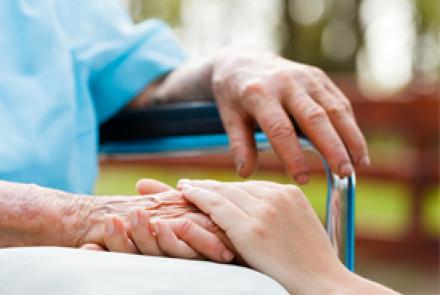 Due to Parkinson’s and its symptoms, PWPs may experience certain emotional and behavioural disturbances that can be difficult to manage. These are a few of them: Anger & Stubbornness PWPs may feel angry due to the symptoms of Parkinson’s as well as a sense of dependency that it might generate. Take for example the difficulty in doing activities that were previously done with ease such as walking, cooking, bathing, and talking etc can bring about a lot of frustration in the person with…
 The most effective way to manage difficult behaviours in dementia and keep stress at bay for family, friends and caregivers is acceptance, patience and calmness, recommends Porrselvi A.P. a cognitive and psychosocial interventions specialist. Many people with dementia undergo changes in behaviour during the course of the disease. These changes are unexpected, awkward, difficult to understand and are termed problem or deviant behaviour. These sudden behavioural changes can be challenging…
 A caregiver is someone who lives with, regularly helps or looks after a person with Parkinson’s and is directly involved in his/her care and well being. The following section focuses on the various aspects of this role. Dealing with the Diagnosis and how you can help A diagnosis of Parkinson’s can be a life changing event not only for the person who is diagnosed but for family and friends as well. Initial reaction to the diagnosis can be of shock, denial, sadness, fear, anger and even guilt.…
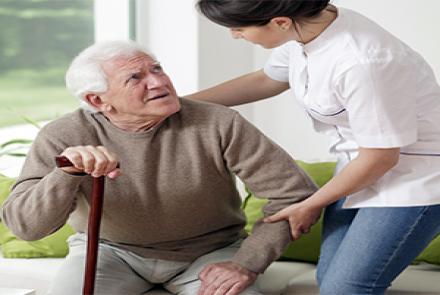 As Parkinson’s progresses, your symptoms might also change. Your current symptoms might become more severe, and new symptoms might also develop. You may feel that the medication may not be as effective in controlling the symptoms as they were before as a result you may find that you require help from others to do your routine activities like dressing, eating, bathing etc. Certain symptoms like poor balance, difficulty walking and fear of falling may prevent you from being able to leave our…
 What are the signs and symptoms of Schizophrenia? The symptoms exhibited at different stages are different. The symptoms do not appear suddenly. They creep in stealthily and may be present for weeks to months before they progress to a full blown state. Stages of Schizophrenia elaborates how the symptoms progress. The signs and symptoms of schizophrenia are broadly grouped into two: Positive symptoms Negative symptoms. Positive symptoms of schizophrenia are behaviors and…
 Stages of Schizophrenia The symptoms of Schizophrenia progress slowly. There are broadly two stages in terms of the progression of Schizophrenia: Prodrome Stage Acute Stage Prodrome Stage In the very beginning there are some “Behavioral changes” which can pass for normal variations in daily life. It is very difficult to state that at this stage they clearly indicate a disorder. These changes are not just a set of particular symptoms but a definite variation in the routine…
 What is Schizophrenia “A slowly progressive deterioration of the entire personality which involves mainly the affective life and expresses itself in disorders of feeling thought and conduct and a tendency to withdraw from reality” - Eugen Bleuler Schizophrenia is a chronic, severe multi-faceted and complex disorder of the mind, now being increasingly considered a brain disorder. It affects approximately 1% of the world population and has a…
 Effective management of schizophrenia always involves a multidisciplinary team of psychiatrists, social workers, psychologists, occupational therapists and families. Medication is the mainstay of treatment in schizophrenia. There is a wide range of medication to choose from depending on the person’s age, nature of illness, affordability, side effect profile etc. Treatment in schizophrenia does not stop with symptom control. It extends to include rehabilitation and reintegration back…