Join the Eye Health or Ophthalmological Health Community to follow content and discussions on preventing and managing eye or opthalmological conditions including Myopia, Eye Allergies, Dry Eyes, Diabetic Retinopathy, Glaucoma, Cataract, Age related Macular Degeneration, Uveitis, Retinitis Pigmentosa, Rare Eye Diseases and more

 Dry Eyes can progress through various stages - from mild to severe. Each stage can have different complications. On examination in mild form of dry eyes, the tear film may show mucous debris and strings of mucoid discharge. The picture may be of a non-specific chronic conjunctivitis. In moderate cases, there may be corneal epithelial erosions, punctate keratopathy, and filamentary keratitis. Severe cases present with corneal ulcer, opacities and neovascularisation.
 A doctor, typically an opthalmologist needs to do a complete examination of the eye. He/she will ask you for other health conditions, your history of eye health, your habits and practices. They may even need to measure the volume and quality of tears using - Schirmir test. - Fluorescein dye test - Lissamine green test
 Treatment modalities: The treatment of dry eyes can be divided into: Medical therapy: Is the mainstay of treatment for mild to moderate type of dry eyes. Tear substitutes or artificial tears are aqueous solutions containing polymers that determine their viscosity, retention time and adhesion to ocular surface. In moderate to severe cases, where there is a lot of inflammation, drugs like topical cyclosporine A and corticosteroids are administered. Oral tetracycline and essential fatty acids…
 Therapy of dry eyes require a multipronged approach. Mild cases of dry eyes- Patient will benefit from preventive measures like behavioural and environmental modifications. Certain preventive measures are as follows- Avoid direct blow of air to your eyes e.g hair dryers, car heaters, and air conditioners. Use humidifiers in winters. Wraparound glasses help during outdoor activities. During prolonged use of screens and long reading hours one should take a break of few seconds every half an hour…
 What are the symptoms and signs of dry eyes: Dry, scratch, gritty and sandy feeling in the eye. Foreign body sensation. Ocular irritation, itching and burning. Pain, soreness, redness, heaviness of eyelids. Blurred vision and intolerance to light. Increased blinking, watering and excessive mucous secretion. The symptoms tend to be worse towards the end of the day with prolonged use of eyes. As dry eyes syndrome progresses from mild stage to severe, there will be different symptoms and…
 What leads to dry eyes: Prolonged use of contact lenses leads to dry eyes. Soft contact lenses actively deplete the rear layer to maintain their hydration level. One of the most important cause of dryness these days is extensive use of computer and mobile screens. Studies have shown that excessive use of screens enhances the evaporation of tears along with decreased blink rate. Dry eyes are also commonly seen in old age with more preponderance in women, particularly in peri and post-menopausal…
 What kind of screening tests should I undergo? Here are some guidelines, according to American Diabetic Association Adults and children aged >10 years with Type 1 diabetes should have an initial dilated and comprehensive eye examination by an ophthalmologist or optometrist within 5 years of the onset of diabetes. Patients with Type 2 diabetes should have an initial dilated and comprehensive eye examination by an ophthalmologist or optometrist shortly after the diagnosis of diabetes.…
 Its important to maintain good metabolic control in order to prevent or slow progression of retinopathy. Good metabolic control is important to manage this early stage. Manage your blood glucose level and your blood pressure. Targets of HbA1c <7%, BP <130/80 mmHg (SMBP <125/75 mmHg) should be achieved to improve vision, prevent or slow progression of retinopathy. Lipid and kidney status should also be controlled. Let your doctor know if you are experiencing diminished vision or…
 Treatment depends on the stage of Diabetic retinopathy Early nonproliferative diabetic retinopathy (NPDR) Let your doctor know if you are experiencing diminished vision or any other eye problems like blurriness. Retinal imaging (Fundus Fluorescein Angiography, Optical Coherence Tomography) followed by retinal laser treatment is indicated in this stage of retinopathy. Recently, Intravitreal injections (injections in the eye), which maybe Anti VEGF (Avastin, Lucentis) or steroid…
 Stages of Diabetic Retinopathy are: Early nonproliferative diabetic retinopathy (NPDR) This is the early stage when the patient is usually asymptomatic or has mild blurring of vision. On examination, the eye care provider may find the following when looking into the patient’s eye with an opthalmoscope: Microaneurysm (small, red dots often in a punctuate pattern) with or without swelling of the retina Dot and sparse blot haemorrhages (red, round or blot-shaped in the inner nuclear layer or…


No content found
No content found
Latest Communities
 This Community will address questions and discussions on all forms of Cancer. We will support each other - patients and…
 Chronic Kidney Condition, Incontinence, Urinary Tract Infection Gastro Intestinal, Stomach related, Indigestion…
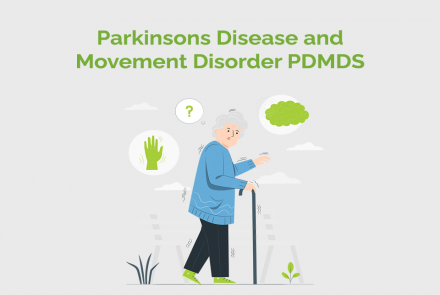 The Parkinson’s Disease & Movement Disorder (PDMDS) community is a congregation of people from far and…