Join the Eye Health or Ophthalmological Health Community to follow content and discussions on preventing and managing eye or opthalmological conditions including Myopia, Eye Allergies, Dry Eyes, Diabetic Retinopathy, Glaucoma, Cataract, Age related Macular Degeneration, Uveitis, Retinitis Pigmentosa, Rare Eye Diseases and more

 Treatment options for Uveitis The treatment of uveitis depends on the following four factors: presence or absence of infection, location of uveitis in the eye, severity of inflammation, and the expected progression of the disease. All cases of uveitis, in which an infection is identified, require treatment with the specific antibiotic. The antibiotic is given as tablets, but in some cases, may also be injected into the eye. The inflammation in the eye, in both infectious and non-infectious…
 How is Uveitis diagnosed The diagnosis of uveitis largely depends on accurate identification of the pattern of inflammation in the eye. Once the pattern is recognized, specific lab tests are advised to either support or rule out a given diagnosis for the patient. The tests may include blood tests, radiological tests or testing the fluids collected from inside the eye (aqueous or vitreous). This approach is called targeted or tailored testing and is often successful in making the correct…
 Types of Uveitis Since uveitis affects several tissues in the eye, it is most often classified by which part of the eye is predominantly affected. Thus, uveitis affecting the front of the eye is called anterior uveitis, at the back is called posterior uveitis, the middle part intermediate uveitis, and that affecting the entire eye is called panuveitis. Uveitis is also classified by the type of tissue involved – so retinal inflammation is retinitis, and similarly, we have choroiditis (back part…
 Signs and symptoms of uveitis The signs and symptoms of uveitis depend on which part of the eye is predominantly affected. Uveitis affecting the front of the eye (iritis or iridocyclitis), or that affecting the sclera, mainly presents with redness or pain. On the other hand, uveitis of the back of the eye (retinitis or choroiditis) mainly presents with blurred vision. Often patients present with a combination of all these symptoms. Other symptoms of include floaters, and perception of…
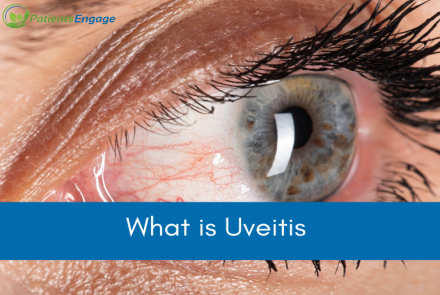 What is Uveitis? Uveitis refers to inflammation in the middle layer of the eye, also called the uvea. This layer of the eye is rich in blood vessels, and therefore a lot of blood flows through it, making it prone to infections coming into the eye through the blood, as well as to immune reactions. In practice however, uveitis is a broad term used to describe inflammation affecting any tissue inside the eye. This may include the retina, retinal blood vessels, and vitreous gel inside the eye. Most…
 Dr Sunita Chaurasia, Senior corneal faculty at KAR Campus, Hyderabad and Medical Director to The Ramayamma International Eye Bank explains the state of eye banking in India and busts the myths surrounding eye donation. She reminds us how simple the process is and how noble the act is. What is eye donation? Eye donation is the process in which eyes/corneas are donated by the family members after the death of a person. While the term “eye donation” is common, there is no whole eye transplantation…
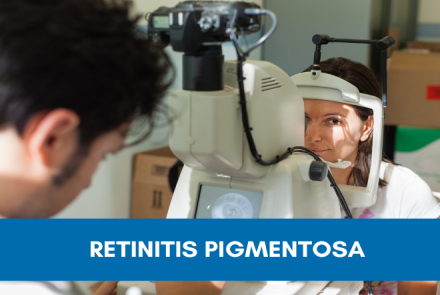 How To Manage Retinitis Pigmentosa Low vision rehabilitation and psychosocial counselling are crucial aspects in managing RP and are of huge benefit to RP patients in living life to the fullest even in the presence of visual deterioration. Low vision rehabilitation includes use of specialised devices like magnifying glasses and illumination devices for enhancement of central vision, telescopes for addressing distant vision difficulties, filtered glasses to take care of light sensitivity and…
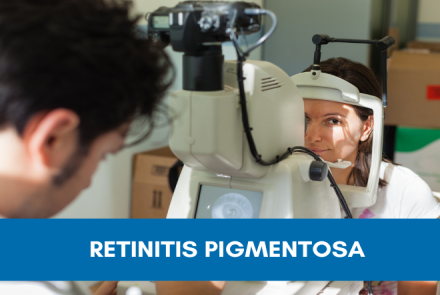 Treatment for Retinitis Pigmentosa Specific treatments to prevent the progression or stop RP are still in evolution. Various treatments have been tried by large studies over the past few decades. Light protection by wearing of dark or yellow orange glasses are shown to help in preventing progression by few studies and help in tackling photophobia. Vitamin A, and docosahexaenoic acid supplementation has also been found useful in few studies to prevent progression. The vitamin supplementation…
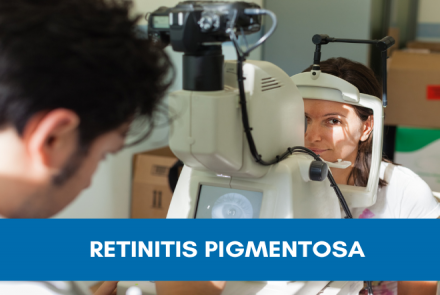 Diagnosis of Retinitis Pigmentosa RP can be diagnosed by the typical clinical symptoms and signs observed during a clinical examination. However, there are various diagnostic tests which help in better understanding of the disease, its severity and progression pattern. The various tests include fundus autofluorescence (FAF), optic coherence tomography (OCT), Visual fields (VF), full field electroretinogram, pattern electroretinogram, dark adaptometry and genetic analysis. FAF (Fundus Auto…
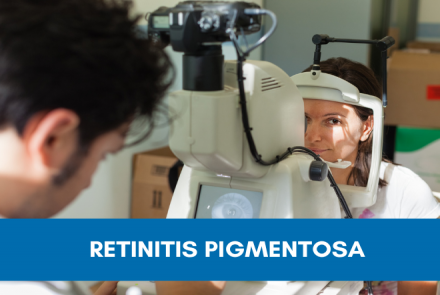 Types of Retinitis Pigmentosa RP can be broadly categorised as non-syndromic and syndromic. The non-syndromic form where only the eye is involved, is more commonly seen than syndromic. Syndromic RP will have an associated systemic abnormalities like Usher syndrome, Lawrence Moon Bardet Biedl Syndrome, Kearns-Sayre Syndrome, Refsum disease, Abetalipoproteinemia, Neuronal ceroid lipofuscinosis, Joubert syndrome etc. Syndromic RP requires special attention for early detection of both RP as well as…
No content found
No content found
Latest Communities
 This Community will address questions and discussions on all forms of Cancer. We will support each other - patients and…
 Chronic Kidney Condition, Incontinence, Urinary Tract Infection Gastro Intestinal, Stomach related, Indigestion…
 The Parkinson’s Disease & Movement Disorder (PDMDS) community is a congregation of people from far and…