Join the Eye Health or Ophthalmological Health Community to follow content and discussions on preventing and managing eye or opthalmological conditions including Myopia, Eye Allergies, Dry Eyes, Diabetic Retinopathy, Glaucoma, Cataract, Age related Macular Degeneration, Uveitis, Retinitis Pigmentosa, Rare Eye Diseases and more

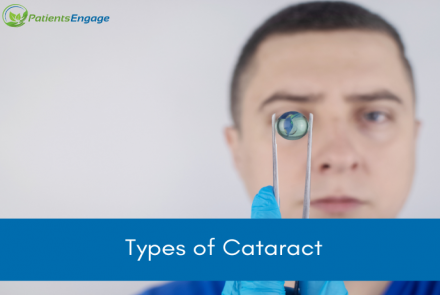 There are several different types of cataracts, which are classified based on their location within the eye or the underlying cause. Based on the cause, cataracts could be classified as: Age-related Cataracts: These are the most common type of cataracts and develop as a result of natural aging processes. They typically occur in individuals over the age of 50 and progress gradually over time. Congenital Cataracts: Congenital cataracts are present at birth or develop shortly after birth during…
 Symptoms and Signs The symptoms and signs of cataracts can vary depending on the type and severity of the cataract. One of the primary symptoms of cataracts is a decrease in vision clarity. Vision may appear hazy, blurry, or cloudy, which can make it difficult to perform daily activities like reading or driving. It must be noted, that patients with cataract experience blurry vision despite using updated glass prescription. Cataracts can cause increased sensitivity to glare, especially at night…
 Causes of Cataract The causes of cataracts can be diverse and may vary depending on the type of cataract. Here are some common causes and risk factors associated with cataract development: Age: Aging is the most significant risk factor for cataracts. As people grow older, the proteins in the lens of the eye can break down and clump together, causing clouding and the formation of cataracts. The majority of cataract cases occur in individuals over the age of 50, and the prevalence…
 Cataract refers to a clouding of the lens in the eye leading to decreased vision. The lens is normally clear and helps focus light onto the retina at the back of the eye allowing us to see clearly. However, when a cataract develops, the lens becomes cloudy resulting in blurred or distorted vision. Cataracts can develop in one or both eyes, but it's not necessary for both eyes to be affected simultaneously. It is possible for a cataract to develop in one eye and not the other, or for one eye to…
 “Keep Your Eye On Myopia” is the theme of this year's global Myopia Awareness Week, May 22-26, 2023. Myopia education and management is an important and growing problem for people, especially children. Every 3 out of 10 kids are now seen with spectacles due to short-sightedness. Pavan Verkicharla, PhD Head & Consultant Optometrist - The Myopia Centre who works extensively in this space helps us understand the essentials of this eye condition. What is myopia? Myopia is a medical…
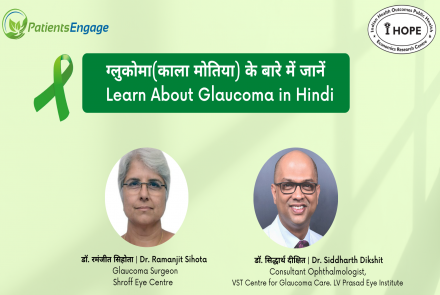 ग्लूकोमा (काला मोतिया) अंधेपन का एक प्रमुख कारण है। ग्लूकोमा से दृष्टि की हानि होती है और अगर उपचार से इसे नियंत्रित न करें तो दृष्टि जा सकती है। ग्लूकोमा पर जानकारी के लिए हमने आईएचओपीई के साथ की गयी आंखों की बीमारियों का श्रृंखला के अंतर्गत दो विशेषज्ञों के साथ एक वेबईनार किया था : डॉ. रमंजीत सिहोता, ग्लूकोमा सर्जन, श्रॉफ आई सेंटर, और डॉ. सिद्धार्थ दीक्षित, कन्सल्टन्ट ऑपथलमोलोजिस्ट, वीएसटी सेंटर फॉर ग्लूकोमा केयर, एल वी प्रसाद आई इंस्टिट्यूट। नीचे पढ़ें वेबिनार पर आधारित कुछ…
 Did you know eye or ocular allergies are commonly seen in young children around the age of 9 to 13 and during specific times of the year? Dr Anahita Kate informs us about this emerging allergic condition that is rapidly becoming widespread in India. What is eye allergy or ocular allergy? In our body, we all have an immune system which is responsible for fighting off pathogens, these can be bacteria or viruses. However, in some individuals instead of mounting a response to a microbe,…
 Can Uveitis be prevented, especially if a person has an auto immune condition? The prevention of uveitis depends on the cause of uveitis in question. The spread of many infections that cause uveitis, can be prevented by putting public health measures in place. Autoimmune conditions that cause uveitis, often have some disease in the rest of the body that require treatment. Anti-inflammatory or immunosuppressive therapy for such diseases, can help in preventing episodes of uveitis. However, there…
 Does Lifestyle management play a role in management of Uveitis? In addition to following treatment protocols as described, there is a role for lifestyle modification in many cases. Some forms of uveitis, e.g. HLA-B27 associated uveitis, are triggered by specific factors such as stress or change in diet or season. However, all the factors are not necessarily amenable to lifestyle modification. Smoking has been associated with increased incidence of all anatomical forms of uveitis, and cystoid…
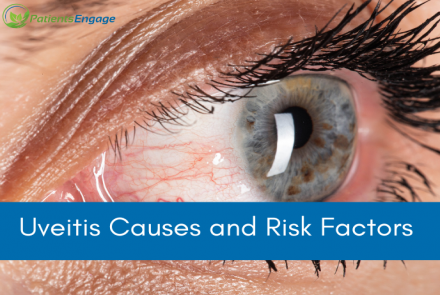 The causes of uveitis can be divided into infectious and non-infectious causes. Infectious causes: The most common infections that cause uveitis are tuberculosis, viral infections (especially the herpes viruses) and toxoplasmosis. Although nearly any type of infection can enter the eye and cause inflammation. Most patients with infectious uveitis do not have evidence of infection elsewhere in the body. This is a fascinating area for uveitis researchers but very intriguing for the patients…
No content found
No content found
Latest Communities
 This Community will address questions and discussions on all forms of Cancer. We will support each other - patients and…
 Chronic Kidney Condition, Incontinence, Urinary Tract Infection Gastro Intestinal, Stomach related, Indigestion…
 The Parkinson’s Disease & Movement Disorder (PDMDS) community is a congregation of people from far and…