Submitted by PatientsEngage on 9 June 2017

Dr Vinit Shah, an eminent Urologist from Mumbai, helps us understand frequently asked concerns about urology and men’s health.

What are the five most common urological conditions you see in daily practice?

The commonest problems we seen in our daily practice are prostate, stones, urinary infections, urinary incontinence and male sexual problems.

What are the different causative factors of infertility?

Male infertility can have several factors. You can have pre-testicular causes due to hormonal imbalance or testicular causes like varicocele and in some cases post testicular-like obstruction due to old infections. But in a large proportion, even after all investigations, we are sometimes unable to find a cause in which case we label them as having idiopathic infertility.

What tests do you recommend for infertility?

The first and the most important test would be a semen analysis. If hormonal imbalance is suspected, then a male hormonal profile is checked. A sonography of the scrotum to assess testicular size and a Doppler to look for varicocele is commonly asked for.

Is urinary incontinence treatable? What do you suggest as treatment options?

Urinary incontinence is treatable. There are essentially three different types of incontinence: urge incontinence, stress incontinence and mixed type. Urge is treatable by medications while stress incontinence may require the use of a tape inserted surgically.

Are UTIs common in Indian men?

UTI is not as common in males as in females. The infections are common in diabetics and one must undergo investigations to rule out any of the pathology such as presence of obstructions or stones which can be a causative factor for infections. Sexually transmitted infections are also found in these cases.

What are the risk factors for UTI in men?

Common predisposing risk factors include diabetes, kidney stones etc.

When should one see a doctor?

The doctor must be consulted for every infection as the correct treatment in the correct form must be administered

Is daily intake of calcium or calcium supplements a risk factor for formation of kidney stones?

It can be if the fluid intake is not adequate and calcium is taken in excess.

What are the latest advances in kidney stone treatment? How do treatment options depend on stone size or quantity?

Treatment for kidney stones has seen a sea change over the years and almost all stones of any size can be treated by the several options available which range from the non-invasive ESWL or lithotripsy to the minimally invasive PCNL (Percutaneous Nephrolithotomy) and Retrograde Intra-renal surgery with Laser. Today we hardly offer any one open surgery for treatment of their kidney stones.

Is Erectile Dysfunction (ED) a growing concern? How is stress and anxiety dealt with as a causative factor?

Stress and anxiety are both the cause and effect of ED. Managed commonly by counselling and drugs.

Related Reading:Treatment Options for Erectile Dysfunction

What remedies or treatments are patients with ED offered?

ED can be a major concern for those affected. The treatment ranges from use of drugs like viagra to intrapenile injections and use of penile implants for the more severe cases.

 

Changed
02/Nov/2021
Stories

  • Focus on exercise and diet control
    Says Mumbai-based Pradeep , 59, who gave up sweets and took up yoga to keep his diabetes under control. Q. What kind of diabetes are you suffering from?  Type 2 diabetes Q. When were you diagnosed? 1994 Q. Early symptoms? I had pain in my legs and general lethargy. Q. Is there diabetes in the family? No Q. Did you start managing it immediately or was there another trigger point? I started managing immediately. Q. What is your present condition? Diabetes is fully under control. Q. What…
  • Wing of an aeroplane indicating Air Travel
    Diabetes and Travel - Carry A Doctor's Note
    Despite being insulin-dependent, Jayesh Shah (54) continues to globe-trot for work. All it needs is a little extra planning, he says. Here, he shares his top tips for travelling safely with diabetes.  • Carry the doctor’s prescription with you • Inform airport security that you are a diabetic • When travelling across time zones, adjust your medication and food intake as per the time zone that you are currently in • Do not skip any meals; over eating is better than fasting,…
  • , , , ,
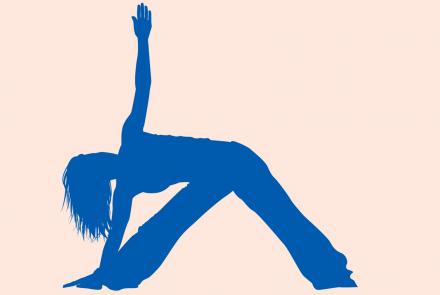
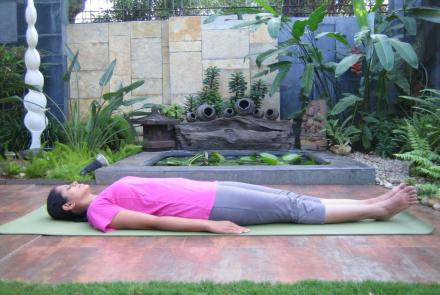
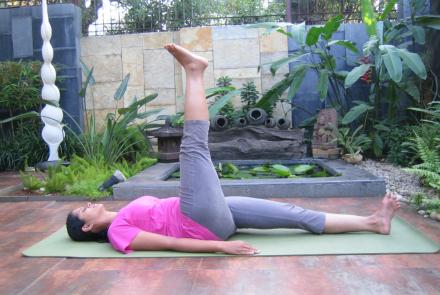
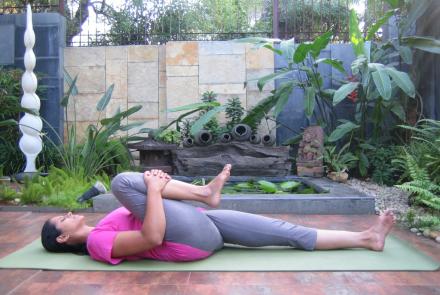
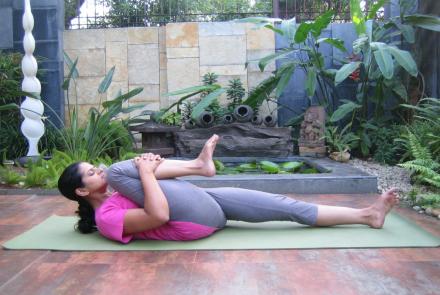
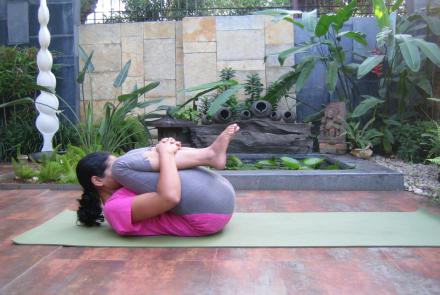
    Yoga - Ardha Pavanamuktasana
    Meaning: Ardha is half.  Pavan is air/wind/gas. Asana is posture. This asana’s name reflects its benefits, that is, the release of unnecessary gases from the body, especially the stomach. Benefits 1. It strengthens the lower back and stretches the spinal cord. It is thus particularly good for treating back pain. 2. The posture helps to massage the abdomen and the digestive system thereby eliminating wind and preventing constipation. 3. It stimulates and directly exercises internal organs…
  • A gloved hand checking the foot for diabetic foot ulcers
    Diabetic Foot Ulcers : Prevention and Treatment
    Diabetic foot ulcers occur in approximately 15 percent of patients with diabetes, and is an open sore or wound that is located on the bottom of the foot. Infection of the wound and other ulcer-related complication can result in hospitalization. Learn to prevent and manage it.   What is diabetic foot ulcer? Diabetic patients are at a high risk of developing many foot problems. Even simple foot problems can become severe and cause complications. The root cause of…
  • Carbs are not your enemy!
    With all the hype around high-protein diets, more and more people want to cut down, and some want to eliminate, carbohydrates from their diets. But not only are carbohydrates present in almost all foods, eliminating them would disturb the body’s natural functioning, says Dietitian and Diabetes Educator Ujjwala Baxi. Why do we need carbohydrates? Carbohydrates are the body’s primary source of fuel for our internal and external functions. Carbohydrates are digested and broken down into glucose,…
  • Diabetic Skin Complications
    Diabetic Skin Complications
    - With inputs from Dr. Anju Virmani, Endocrinologist, New Delhi What is it People with diabetes, due to high blood glucose, often have a loss of fluid in the body. This can cause dry skin on the legs, elbows, feet and other areas of the body. Dry skin is more likely to crack, allowing germs to get into these areas, causing infections that can have severe consequences. Diabetics are more prone to getting bacterial and fungal infections. Diabetics may also suffer from itchy skin…
  • Anatomical Image of Ovaries in human body
    Diabetic Complications: Polycystic Ovarian Syndrome
    With inputs from Dr. Chandan Dubey What is it If you have 2 or more of the following symptoms, you should get yourself checked by a gynaecologist to confirm or rule out Polycystic Ovarian Syndrome (PCOS):  • Multiple small cysts in the ovaries • Infrequent (more than 35 days) or absent periods due to eggs not releasing every month  • High androgen features (facial and body hair, acne, abdominal fat, frontal balding) PCOS and its impact  PCOS may lead to acne,…
  • Fish Lasagna (6 Portions)
    Lasagna made from whole wheat doesn’t spike the post-lunch blood sugar as much as the refined flour varieties. Tuna rich in omega- 3 fatty acids and Vitamin D are ideal for people with diabetes who run a higher risk of cardiovascular problems, high blood pressure and elevated triglycerides.  Ingredients: Tuna /White Pomfret (boneless ) - 700 g Onion – 2 Olive oil – 2 tbsp Tomato puree – 1 cup or 250g Sundried tomatoes - 10 g Freshly ground pepper - ¼ tsp Sweet corn - 300g…
  • Chickpea curry (6 portions)
    Chickpeas or garbanzo beans are rich in fibre, iron, phosphorus and the B-complex vitamins. It has been seen that eating chickpeas control blood sugar levels after meals, so it is good for people with diabetes. This recipe also uses poppy seeds, which are a good source of calcium and fibre, low in sodium and have no fat or cholesterol, as well as coconut, which provides certain essential fats missing from other vegetable oils. In this recipe they have been used in…
  • Paneer paratha (makes 6 portions)
    Paneer paratha is a favourite choice for kids’ lunchboxes. It is nutritious and can be modified for the needs of growing children by using whole-fat paneer instead of low-fat and an extra dash of fat (ghee, butter or oil depending on preferences).  Ingredients For the dough  200g whole wheat flour  2 tsp white oil  Pinch of chilli powder  Pinch of salt  For the Filling   200g low-fat paneer  100g onion  50g carrot Small bunch of coriander…