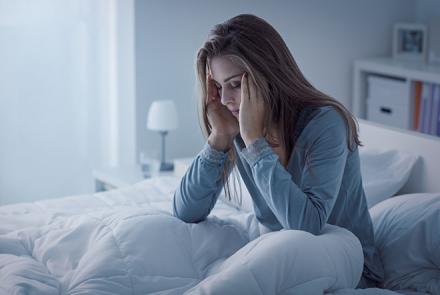
Sleep disorders may make a person more vulnerable to psychiatric illnesses, intensify the severity of the symptoms points out Dr Nileena N.K.M, Specialist in Psychiatry and Sleep Medicine, and stresses the importance of better sleep for better life. Plus Tips For Good Sleep.
What is the correlation between mental health and sleep?
Sleep and mental health go very much hand in hand in our day to day life. Many of the psychiatric illnesses are seen to be associated with sleep complaints and…

The theme of the World Health Day 2017 is ‘Depression: Let’s Talk’. Encourage people with depression to talk about their feelings. Depression can easily be treated with psychological therapies and medicines. Learn about these and some other basic information on depression issued in public interest by SCARF (Schizophrenia Research Foundation).
The wounds of depression are unseen, but they hurt more than the ones that bleed. Seek professional help and get better.
Facts about Depression
- Depression is the commonest disorder of the mind and affects people of all age groups.
- It is caused by imbalance of chemicals in the brain.
- Stress plays a major role in this disorder.
- Feelings of sadness for over 2 weeks without a clear reason, with changes in sleep, appetite, energy and interests, and difficulty in performance at work/school are signs of depression.
- It is very different from usual mood swings that occur in everyday life.
- Unexplained physical symptoms like persisting aches and pains in one or more parts of the body (eg: headache, backache), palpitations, chest pain and gastric symptoms can be signs of depression.
- Women of all age groups are more prone for depression and exhibit more physical symptoms.
- Depression is very common in people with chronic physical problems like cancer, diabetes, cardiac ailments, thyroid problems, etc.
- Persons with depression can feel hopeless and worthless and may wish to end their lives.
- A large number of suicides are the result of underlying depression
- Alcohol abuse/dependence can cause depression and also be an effect of depression.
- It can be easily treated with medicines, psychological therapies, cognitive behavior therapy and life style modifications
- Talking to someone who cares will help. Do not hesitate to seek professional help if needed.
- If it is not treated, depression affects quality of life adversely.
- Healthy food habits, adequate sleep, regular physical exercise, hobbies, good socialization, and avoiding smoking and drinking can reduce the risk of depression significantly and also help recover from it.
Issued in public interest by SCARF [SCHIZOPHRENIA RESEARCH FOUNDATION(I)]
Changed
04/Apr/2017
Condition