Submitted by PatientsEngage on 31 January 2015

You are focused on looking after a patient with a chronic condition. But you, the caregiver, may also be at risk. Rama Murali of Care3 (Care Cubed), a support network and resource bank for caregivers, gives you some tips on how to avoid caregiver burnout.

“You yourself, as much as anybody in the entire universe, deserve your love and affection.” – Buddha

Why focus on Caregiver health?

Although caregiving can be truly rewarding for many, the 24×7 nature of caring for a loved one who requires assistance with daily activities can take a toll on the caregiver over time.

*****

“Even the most dedicated workers need an occasional vacation, and this is especially true of caregivers. A burned-out caregiver cannot provide quality care.” - - D. Helen Susik, Gerontologist.

*****

Physical and emotional risks to Family Caregivers have been documented widely. Several of the most common mental, physical, and social challenges Caregivers face include:

  • Increased risk of depression
  • Increased risk of chronic conditions
  • Decreased self-care
  • Increased risk of Social Isolation or Feeling Alone

Caregivers need self-care

One of the most important things to understand is that if you do not put your own needs – health, emotional, social – at the top of the priority list, you will not be well enough to care for anyone in the long term. 

A relevant example is the one given before air travel. The flight attendant instructs the passengers that if there is a drop in oxygen levels, masks will fall from above your seat. Make sure you put your mask on first before you help any child or elder or anyone else who needs help. This is to ensure you get the air you need, otherwise you will not be able to help anyone, and all will suffer. Caregivers often spend so much time ensuring their family member is comfortable, they forget their own health, which will affect both the caregiver and the person they are caring for in the long run.

How to prioritise Caregiver health

Caregivers, keep the following in mind:

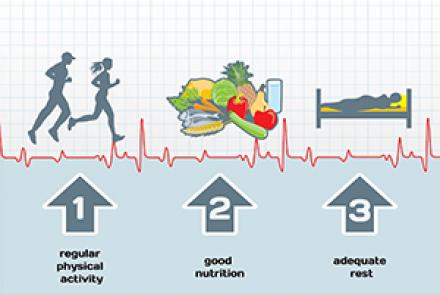
  • Be active – mentally and physically – avoid burnout
  • Eat well (plant-based, whole grain, healthy fats)
  • Manage stress – meditation, yoga, hobbies, sudoku etc.
  • Sleep is restorative – make it count
  • Do not skip breakfast or other meals
  • Don’t sit for long hours
  • Maintain aerobic and strengthening exercises – yoga, walking, light weights, etc.
  • Get check-ups, watch weight, blood pressure and lipid levels 

In addition to all these tips, one of the best ways to care for yourself is to connect with other Caregivers – peers – and support each other. Meeting people who understand your situation and challenges and sharing experiences is enormously beneficial. This helps in the following ways:

  • Being able to vent to those who understand
  • Knowing you are not alone
  • Using your expertise to help others, and feeling empowered
  • Having more social connections acts as a buffer against stress


Changed
25/Aug/2016

Stories

  • 15 Important Facts you should know about Depression
    The theme of the World Health Day 2017 is ‘Depression: Let’s Talk’. Encourage people with depression to talk about their feelings. Depression can easily be treated with psychological therapies and medicines. Learn about these and some other basic information on depression issued in public interest by SCARF (Schizophrenia Research Foundation). The wounds of depression are unseen, but they hurt more than the ones that bleed. Seek professional help and get better. Facts about Depression…
  • Persons with Selective Mutism need to be heard by the community
    Nigel Ng suffers from a rare condition called Selective Mutism, an anxiety disorder, which makes him a loner amidst a group of people as he is unable to speak or communicate in specific situations when he gets a panic attack. He shares his experiences: In your book (shown below), you talk about the bullying you underwent in school from classmates and even from teachers. Do those memories still bother you, haunt you? Do you remember how you felt then? What is your reaction now? Yes, these…
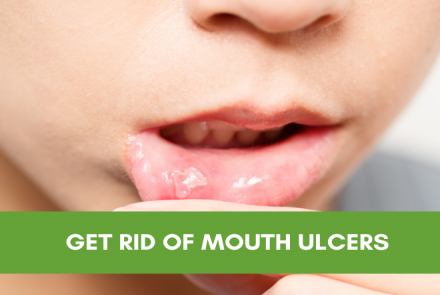
  • Stock pic of a person with mouth ulcer and a green band with white font and text that says Get Rid Of Mouth Ulcers
    How To Get Rid Of Mouth Ulcers?
    Oral health is not limited to your teeth alone. Mouth ulcers or sores can develop inside the mouth, cheeks, lips and tongue that can be extremely painful. Dr Shail Jaggi informs us on causes and symptoms of mouth ulcers and offers some advice on how to keep our mouth healthy, hygienic and problem free. All of us have at some point experienced oral sores in the mouth. These are generally very unpleasant and extremely painful and will persist for a couple of days. These sores are called ulcers.…
  • 10 Tips for Better Sleep
    Millions of people round the world are chronic users of sleeping pills or other intoxicants to rest each night increasing the risk of death and poor health. Dr A Banerjee, Director Sleep Medicine and Research Center at MGM Institute of Health Sciences emphasizes the importance of good sleep to regenerate the body’s mechanisms and ward off diseases like diabetes, hypertension and bipolar disorder. #WorldSleepDay Sleep is essential for a healthy life. Every person requires the right amount…
  • Stanford Medicine: Arts and Humanities in Medicine
    The world of medicine is beginning to increasingly acknowledge the potential of expressive arts therapies such as art, music, drama, dance/movement, poetry/creative writing and play in the context of healing, treatment, psychotherapy, counselling and rehabilitation. Activities such as drawing, drumming, creative movement and play acting allow individuals of all ages to express deep-seated thoughts and feelings, improve physical, mental and emotional well-being and boost self-esteem and…
  • Hypnosis for Pain Relief and Anxiety Management
    Worldwide, medical hypnosis is being increasingly accepted to ease acute and chronic pain arising from burns, cancer, and rheumatoid arthritis and reduction of anxiety associated with surgery. What is hypnosis? Hypnosis is a state of increased suggestibility with constriction of peripheral awareness and increased focal concentration on task at hand. Heightened suggestibility is an essential characteristic in hypnosis. Hypnosis is like a meditative technique that encourages inner search and the…
  • DSC_7568
    The Truth about Stress and Your Skin
    Does stress cause acne and eczema to flare up? Does it cause dark circles and pigmentation to appear? Yes, stress does all that and a lot more. Dermatologist Dr. Vinu Kripalani recognizes the mind-skin connection and recommends tips to reduce stress and make your skin glow skin naturally.    What is stress? Stress is caused when the pressure on the individual exceeds their coping mechanism. It is the mental/emotional response to adverse or demanding circumstances. Skin can react in…
  • My Son Taught Me To Be Less Judgemental
    Janet Wong (52) from Singapore has had to deal with Selective Mutism in her son from an early age, but she wishes she could have detected the symptoms earlier to make her son feel more at ease. The child in this case needs to be loved and cared for by the family at every stage, she feels. What is Selective Mutism?  Selective Mutism (SM) an extreme form of anxiety disorder in which a person who is normally capable of speech does not speak in specific situations or to some specific people.…
  • The Healing Power of Therapy Dogs
    Having witnessed the power of the human-animal bond, Maureen Huang started Pawsibility that specializes in the use of Animal Assisted Therapy in conducting counselling and social emotional development programmes to help children and youth in Singapore overcome challenges and reach their full potential. Tell us how dogs help people with disabilities or conditions. Dogs change the atmosphere of a therapy setting. They help people to relax, be more engaged in the therapeutic process and be more…
  • How I Survived Severe Depression
    Shubhrata Prakash, an officer with the Indian Revenue Service currently on sabbatical in Bangkok, went through a very long episode of depression. At the end, she was inspired to write a book The D Word: A Survivor’s Guide to Depression that not only became therapeutic but grew into a handbook on depression. 1.    Would you consider depression a mental illness? Depression IS a mental illness, which also has physical dimensions. Unfortunately, most people who have not had a close…