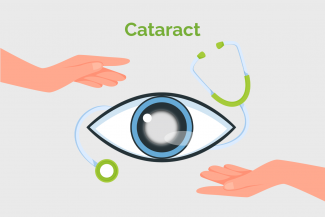
Cataracts, including congenital cataracts are relatively common in India. According to World Health Organisation (WHO), cataracts are a leading cause of blindness and visual impairment in India. It is estimated that >50% of the blindness cases in India are caused by cataracts. Cataracts can affect people of all age groups, but they are most commonly associated with aging, especially after the age of 50. However, cataracts can also occur in younger age groups, including children and middle-aged adults. Congenital cataracts, are present at birth or develop shortly after birth during infancy.

Managing cataracts involves a combination of lifestyle adjustments, regular eye care, and, in most cases, surgical intervention. Here are some aspects of cataract management:
1. Lifestyle and Daily Routine:
- Good Lighting: Ensure adequate lighting in your living and working environments to improve visibility.
- Reduce Glare: Wear sunglasses with UV protection and use anti-glare coatings on eyeglasses. Avoid direct exposure to bright sunlight and use hats or visors outdoors.
- Magnification: Use magnifying lenses, larger font sizes, and brighter screens for reading and other close-up tasks.
- Optimize Contrast: Use high-contrast settings on electronic devices and increase contrast in home and work settings to enhance visibility.
- Avoid Smoking and Alcohol: Smoking and excessive alcohol consumption have been associated with an increased risk of cataract development, so it's beneficial to quit smoking and limit alcohol intake.
2. Regular Eye Examinations: Routine eye examinations are important for monitoring the progression of cataracts and identifying any other potential eye conditions. Your eye care professional will advise on the appropriate frequency of eye exams based on your specific situation.
3. Medications: There are currently no medications available to prevent or reverse cataracts. However, your eye care professional may prescribe eye drops or medications to manage related conditions, such as dry eye or inflammation.
4. Post-Surgery Care:
- Follow Surgeon's Instructions: Adhere to the post-operative instructions provided by your surgeon, including the use of prescribed eye drops and medications.
- Protect the Eyes: Avoid rubbing or touching the eyes, and wear protective eyewear as advised during activities that could potentially injure the eyes.
- Follow-up Appointments: Attend all scheduled follow-up appointments with your surgeon to monitor healing progress and address any concerns.
It's important to note that cataract surgery is the most effective treatment for cataracts, and it is typically recommended when cataracts significantly affect daily activities and quality of life.
Contributed by
Dr Rashmi Deshmukh
Consultant Ophthalmologist, Cataract, Laser Refractive Surgery (LASIK)
L V Prasad Eye Institute
Changed
08/Apr/2025
Community
Condition