
The world of medicine is beginning to increasingly acknowledge the potential of expressive arts therapies such as art, music, drama, dance/movement, poetry/creative writing and play in the context of healing, treatment, psychotherapy, counselling and rehabilitation. Activities such as drawing, drumming, creative movement and play acting allow individuals of all ages to express deep-seated thoughts and feelings, improve physical, mental and emotional well-being and boost self-esteem and…

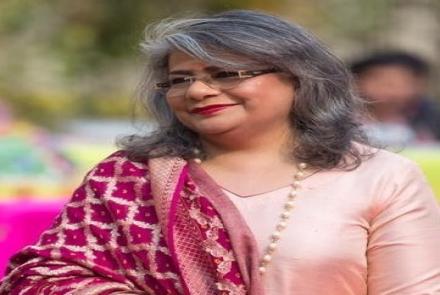
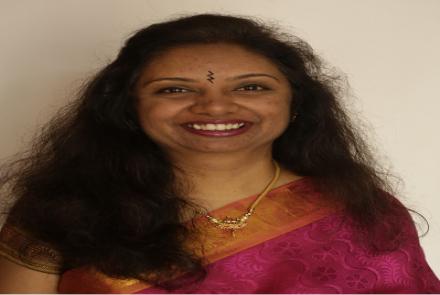
Shalini Kedia, founder of Fragile X India shares her journey of learning from her own experience as a mother of child with Fragile X Syndrome, creating an organisation that builds awareness and supports many families so they do not navigate this alone.
Can you tell us about your personal journey with your son’s diagnosis and how you dealt with it?
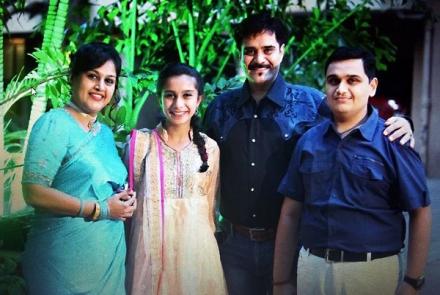
My son is my second child born in 1997. His milestones seemed to be slightly delayed. Initially. I took it very casually since everyone around me said that boys walk and speak late. But somewhere within me there was unease. A gut feeling that something about him felt different. My quest to find answers began when he was 18 months old and unable to stand independently. After tiding over an incorrect diagnoses of TB meningitis I went doctor shopping. Nine doctors in Mumbai and each had a different story. I heard various things like swelling and water in the brain to some of them even being baffled. My last stop was at Dr. P. G. Samdani and honestly I had nearly given up. He spent 30 minutes with us and said, “I suspect Fragile X Syndrome, but first your child needs therapy”. On his prescription he mentioned therapies and said to check for Fragile X at a later date. Very wisely he did not want me to dwell in the why but first focus on what to do. Therapies showed great improvement and I went for the test too which was positive. I remember standing at the testing centre in Sewri, Mumbai while they handed me the reports. Was this real? A rare condition, no cure and no other family to get help from? The report was not an answer, rather another quest! I wrote to the National Fragile X foundation in California in despair. They sent books, we exchanged emails, I studied more on the condition and how to help my child.
What inspired you to start the Fragile X Society India, and what were the biggest challenges in the early years?
Honestly, I never set out to start an organisation. I was simply looking for another family like ours. I remember thinking, surely we can't be the only family in India with Fragile X Syndrome. But there was nobody. That was the biggest shock.
Getting help from the National Fragile X Foundation in California was my only lighthouse. They helped me put the pieces of my life together and help my son. They are the ones who nudged me to start something in India because it was the need of the hour, given our dense population, and of course, I had already experienced it.
In 2003, I decided to take that leap and start the organisation to help those who were in my shoes, the difference being that now they had someone they could reach out to.
The challenge wasn't just bringing families together. The bigger challenge was awareness. Doctors didn't know enough about Fragile X, genetic testing wasn't easily available, and many families spent years searching for answers.
We've come a long way since then, but I still believe awareness is our biggest medicine.
Why do you think Fragile X syndrome is still diagnosed late in many children in India, and what needs to change?
First of all, it's important to understand that the gene responsible for Fragile X Syndrome was only discovered in 1991, which, in medical science, is relatively new. Since awareness of this condition is still growing, there are many facets of the Fragile X gene, including FXPOI and FXTAS which affect carriers of the premutation. FXPOI causes reduced ovarian function before age 40, while FXTAS is a later-life neurological disorder causing tremor, balance problems, and sometimes memory decline; both are associated with the FMR1 premutation. It is very important to understand the impact that the changes in the gene can have in a family. Fragile X syndrome can be difficult to diagnose because its symptoms often overlap with autism; therefore, a child may receive an autism diagnosis without the underlying genetic cause being investigated.
What are the most common challenges faced by families after a Fragile X diagnosis?
I think every family goes through a phase where they feel completely overwhelmed. There are so many questions. What therapy should I start? Which school is right? Will my child speak? Will my child become independent? The diagnosis gives you an answer, but it also opens up a whole new journey. What I always tell parents is don't try to find all the answers in one day. Take it one step at a time.
What are the biggest misconceptions about Fragile X syndrome that you would like to see addressed?
One of the biggest misconceptions is that an autism diagnosis always explains the whole picture. Autism is a clinical diagnosis with many possible causes, and some children with Fragile X syndrome also meet the criteria for autism spectrum disorder. Fragile X is one of the most common inherited causes of intellectual disability and an important genetic condition associated with autism. (4-6% of autism cases)
Identifying Fragile X matters because it can guide the child’s care, alert doctors to associated health and developmental concerns, and reveal implications for other family members and future pregnancies. Families often tell us that they consulted numerous specialists before anyone suggested Fragile X testing. That diagnostic delay should not happen. Children with unexplained autism, developmental delay or intellectual disability should be considered for genetic evaluation, including the specific FMR1 DNA test required to diagnose Fragile X syndrome. A diagnosis can provide answers not only for the child but for the wider family as well.
Once awareness and diagnosis are done, what are the ongoing issues that people with Fragile X and their families continue to face, and what does your organisation advocate for?
Getting the diagnosis is only the beginning. Fragile X is a lifelong condition, so the challenges change as the individual grows. In the early years, families struggle to find the right therapies and support. As children grow older, parents worry about schooling, behaviour, social inclusion and eventually what adulthood will look like. Questions about independence, employment and who will care for their child in the future become very real concerns. We also advocate for greater awareness about Fragile X carriers. Many families don't realise that Fragile X is inherited, so identifying one affected child can have important implications for siblings, parents and future generations. As an organisation, we advocate for support across the lifespan—not just at the time of diagnosis—because families need information, guidance and support at every stage.
Your awareness film FragileX Film has helped bring attention to the condition. How can storytelling help reduce stigma and improve understanding?
I think storytelling allows people to connect with something they may never have experienced themselves. A medical condition can sometimes feel distant or difficult to understand, but when you see it through the eyes of a child or a family, it becomes real. That understanding is important because stigma often comes from fear, misunderstanding or simply not knowing enough. When people understand why a child behaves differently or what a family has been through, they are less likely to judge and more likely to empathise and support. Storytelling also makes complex medical information accessible. Not everyone will read scientific literature, but almost everyone can relate to a human story. If that story helps people recognise the signs earlier, encourages a family to seek help, or prompts a healthcare professional to think of Fragile X Syndrome, then it has served a very important purpose.
What advice would you give healthcare professionals to help them better recognise and support people living with Fragile X syndrome?
My advice would be that whenever you see a child with autism, developmental delay, intellectual disability or significant speech delay, consider whether there could be an underlying genetic cause, such as Fragile X syndrome. Thinking of Fragile X at the right time can make all the difference. I would also encourage healthcare professionals to look for some of the less-recognised clinical clues that we have consistently spoken about over the years, such as recurrent glue ear, squint, low muscle tone, significant sensory sensitivities and repetitive questioning, as well as physical features such as a long face, a prominent chin, protruding ears and a large forehead, and flexible joints. Children with Fragile X may also be socially interested but avoid eye contact because of anxiety. Importantly, the physical features can be subtle in early childhood and may become more noticeable with age.
Equally important is taking a detailed family history, as autism, intellectual disability, premature ovarian insufficiency, infertility, tremor or ataxia in different family members can all be important clues. Supporting the family is just as important as making the diagnosis. Parents leave the consultation with many questions and uncertainties. Taking the time to explain the condition, guiding them towards early intervention, appropriate therapies and genetic counselling, and letting them know that support is available can make a world of difference. Families remember not just the diagnosis they received, but how they were supported through it.
What has this journey taught you about advocacy?
This journey has taught me that change doesn't happen overnight. It takes patience, persistence and a lot of collaboration. There were times when it felt like very few people knew about Fragile X Syndrome, but over the years we've seen awareness grow. Every time a family tells us they received an earlier diagnosis because someone thought of Fragile X, it reminds me why this work matters. If we've been able to make that journey a little easier for even one family, then every effort has been worthwhile.
What message would you like to share with families who have just received a Fragile X diagnosis, young adults with Fragile X syndrome and with the wider public?
To families who have just received a diagnosis, I would say that although it may feel overwhelming today, you are not alone. A diagnosis is the beginning of understanding your child, and that understanding helps you make informed decisions and access the right support. To young adults living with Fragile X Syndrome, I want to say that every individual has unique strengths and abilities. With the right opportunities, support and acceptance, they can lead meaningful and fulfilling lives. And to the wider public, I would simply ask you to learn about Fragile X Syndrome and help spread awareness. Earlier recognition leads to earlier diagnosis, and that can make an enormous difference to a child's future and to an entire family's life. I would also encourage every family to watch our short film, Fragile. It tells the story of a journey that so many families have lived, and I hope it brings you hope, strength and the reassurance that you are not alone.
Website – www.fragilex.in
Udemy link - https://www.udemy.com/course/fragile-x/?srsltid=AfmBOorRyoI0wbpVgR9GKbh…
Changed
22/Jul/2026
Condition