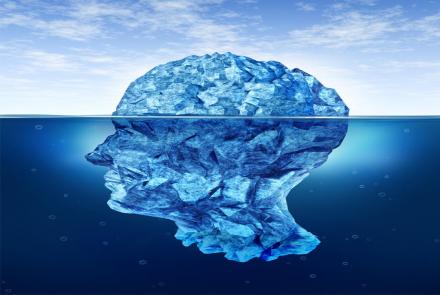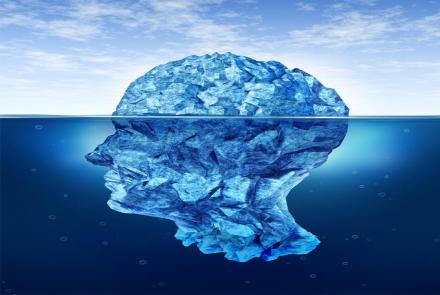
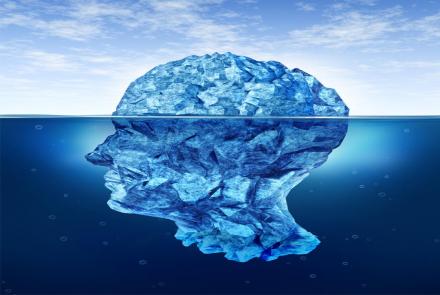
The loss of production of the chemical dopamine due to nerve degeneration in the brain (esp. the substania nigra) is the key component for the inception of this movement disorder. Dopamine is the messenger that is responsible for coordinating movement, balance and the reward system with other nerve and muscle cells.
As of now, we do not know the exact cause of the loss of nerve cells that leads to Parkinson’s disease. Researchers believe it may be due to genetic or environmental factors,…
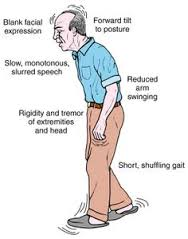
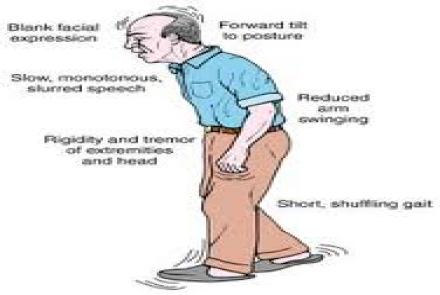
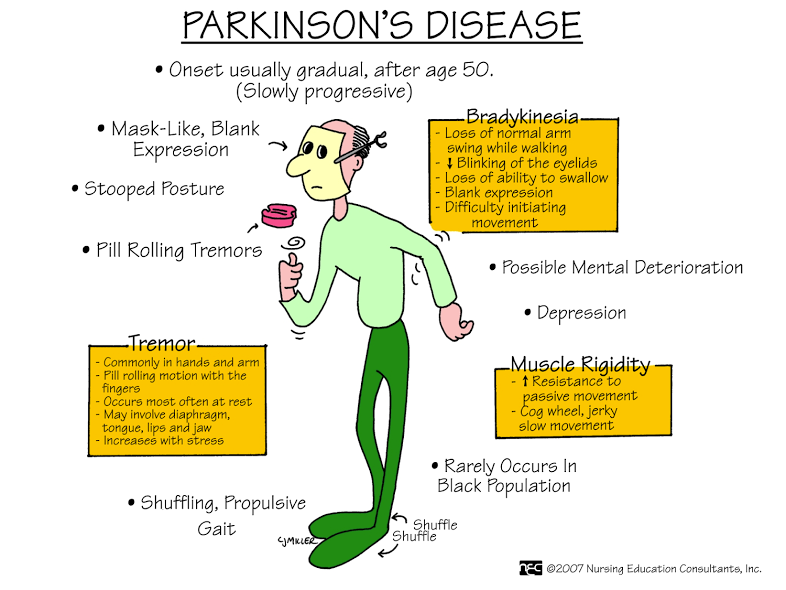
Dopamine is a Brain Chemical that helps to control muscle movement. In Parkinson's Disease the brain cells that make dopamine slowly die. The resultant lack of dopamine in body leads to physical symptoms such as slowness of movement, unusual stiffness in body, tremors and loss of balance. Depression, anxiety, constipation, speech-swallowing problems are some of the many other affections of Parkinson's Disease.

Changed
04/Nov/2017
Condition
Clinical Features and Diagnosis PDMDS.pdf
(651.59 KB)