

दुनिया भर में हर साल हृदय गति को नियंत्रित करने में मदद के लिए 10 लाख से ज़्यादा परमनेंट पेसमेकर (स्थायीगतिप्रेरक) लगाए जाते हैं। जर्मनी में हर साल लगभग 1,00,000 पेसमेकर लगाए जाते हैं, जबकि भारत में यह संख्या सिर्फ 20,000 से थोड़ी ज़्यादा है। इस लेख में पेशेंट्सएंगेज की टीम पेसमेकर से जुड़े अक्सर पूछे जाने वाले सवालों के जवाब देती है ताकि लोगों को सही जानकारी मिले और वे उसके आधार पर फ़ैसले ले सकें।
पेसमेकर क्या है?
पेसमेकर एक छोटा सा उपकरण (डिवाइस) है जिसका इस्तेमाल तब किया जाता है जब हमारी…

Being diagnosed with a condition that requires surgery can feel daunting and confusing to most of us. While we want to get the timing and procedure right, we often feel rushed into the decision for lack of information and being pressed for time. Let’s discuss a few questions pertaining to surgeries that you may ask your doctor to feel more confident about your decision and to help feel a part of the decision of going ahead with the surgery.
General questions to ask your doctor before any surgery are given below. In some cases, you may get this information from the team with the doctor.
About the Procedure
- What is the goal of the surgery, and how will it help alleviate your disease/symptoms?
- Are there any non-surgical procedure or alternative treatments to this surgery?
- How is the procedure performed, and what should you expect during surgery?
- What is the estimated time taken for the surgery?
- Are any prehabilitation exercises that you can be before the surgery?
Risks and Benefits
- What are the potential risks and complications associated with your planned surgery?
- What is the likelihood of success, and what are the potential benefits to you after the surgery compared to your present condition?
- Will this surgery affect your day-to-day life and activities or other parameters of your health?
Costs and Logistics
- What is the total cost of the surgery including doctor visits and hospital stay?
- Would your surgical expenses be covered by your medical insurance?
- Does the insurance cover post-surgery rehabilitation?
Preparation and Recovery
- What are the pre-operative restrictions and how do you prepare for surgery (e.g., fasting, stopping medications)?
- Discuss any medications that you’re on and ask if you should continue or stop them and how long before the surgery should they be stopped?
- Discuss any supplements that you’ve been taking, including any herbal or ayurvedic medications.
Anaesthesia and Pain Management
- What is the type of anaesthesia that will be used and the associated risks with it.
- How can the post-surgery pain need to be managed?
Recovery period
- What to expect during the immediate post- op period?
- What is the expected recovery period?
- Get explicit instructions about local and general post-operative care.
- What are the specific activities that you should avoid during recovery phase.
- Duration and frequency of the follow-up appointments
- Dietary and rehabilitation needs to aid the recovery
Long-term Considerations
- Ask about any long-term lifestyle changes or additional allied care that you need to consider (like physiotherapy, counselling, nutritionist for special diet)?
- Ask if any repeat surgery or additional procedures would be possibly needed for maintenance?
Here are a 5 common surgical procedures and related queries and concerns that you may discuss with your surgeon to help prepare for the surgery and attain a better and satisfactory outcome.
TONSILLECTOMY
Tonsillectomy simply put means removal of the tonsils which are 2 round fleshy masses located on either side at the back of the throat.
Some common cases where tonsillectomy is recommended are:
- Very enlarged tonsils that are blocking the throat and causing trouble breathing and difficulty in swallowing.
- Tumours of the tonsils.
- Frequent inflammation of the tonsils (Tonsillitis).
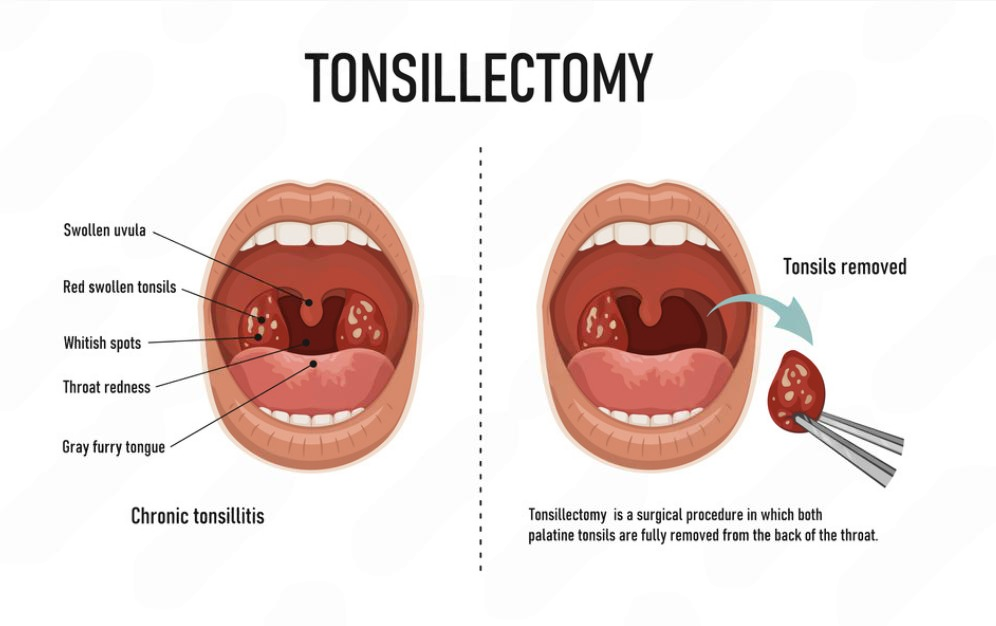 https://my.clevelandclinic.org/health/treatments/15605-tonsillectomy
- Why do you need a tonsillectomy?
- Are there any other treatments that may be helpful to avoid surgery?
- Will your throat issues decline after tonsillectomy?
- What type of anesthesia is going to be given to you?
- What are the risks associated with the surgery?
- Are there any medication/supplements that you need to stop before surgery? If yes, how long before the surgery?
Recovery and post-operative period:
- How long is the expected duration for complete recovery after surgery?
- Will you be prescribed any pain medication after surgery?
- Are there any dietary modifications or restrictions expected after the surgery?
- When can you resume work and normal activities?
- Are there any red flags or symptoms that you watch out for during the recovery phase?
Long term considerations:
- Are there any precautions that are needed for throat care in the long term?
- Are you more susceptible to infections because the tonsils have been removed?
CATARACT SURGERY
Cataracts are cloudy patches in the lens of the eyes that can cause blurry vision and glare. This usually disturbs normal vision. Catract surgery involves removal of the lens and replacement with artificial lens. Read more about cataract surgery here
Some common cases where surgery is recommended are:
- Difficulty in seeing in low light
- Blurred vision
- Double vision
- Seeing halos
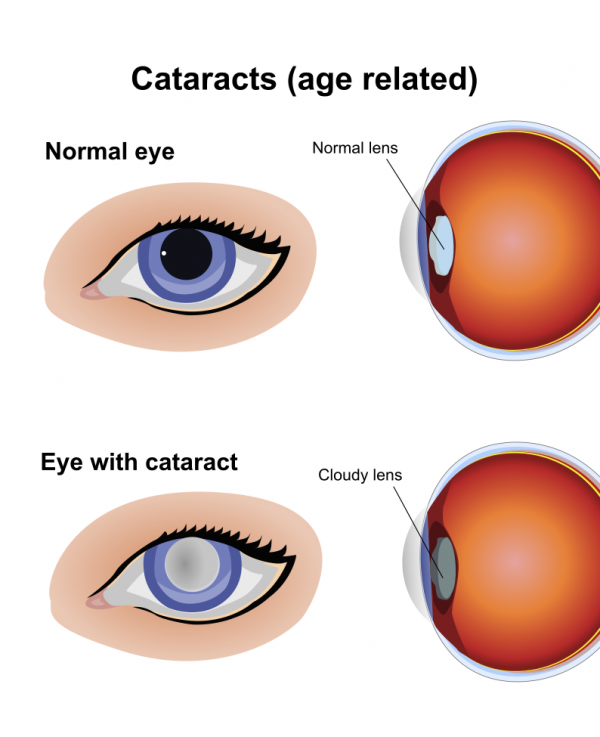
Surgery:
- Is the surgery the only option for your kind of cataract?
- What happens during the surgery?
- What types of lenses are available and the best choice for you at your age and your vision goals?
- How long will the surgery take?
- What type of anaesthesia will you be given?
- What would be the intensity of pain if any during the surgery?
Prognosis of Vision:
- How will your cataract surgery improve your vision?
- How long will it take to detect an improved vision?
- Will you still need spectacles after surgery?
Risks:
- What are the potential risks of cataract surgery?
- Are there risks to waiting to have surgery?
- Ask about any additional health issues that you have and what impact it’ll have on your surgery.
- Ask about any medications that you’re taking and whether you need to stop any of them before surgery and when?
Recovery:
- What is the expected duration of the recovery period?
- What should you expect during recovery period/phase?
Cost:
- What will the surgery cost including the hospital stay if any?
- Will your insurance cover it?
Aftercare:
- What post-op care and precautions should you expect?
- Would you need any medications post operatively and what will be the expected duration of the course?
CHOLECYSTECTOMY
Cholecystectomy means the removal of the gall bladder which is a pear-shaped organ right below the liver on the right upper abdomen.
Some common cases where cholecystectomy is recommended are:
- Stones in the gall bladder (cholelithiasis)
- Inflammation of the wall of the gall bladder (cholecystitis)
- Inflammation of the pancreas due to the gall bladder stone
- Cancer of the gall bladder
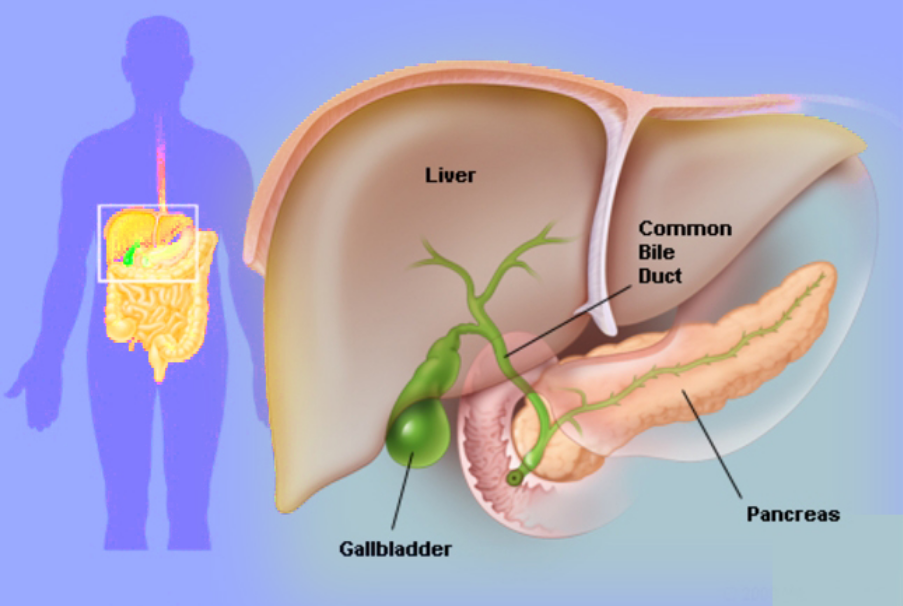 https://www.drtulipobesityindia.com/Gall-Bladder-Stone-disease.html
The Surgery:
- What type of surgery will be performed open or laparoscopic and why?
- Is the surgery urgent or may be done at an interval?
- What are the potential risks and complications of the surgery and what is the incidence of their occurrence?
- Is there other alternative to surgery like treatment options for you?
- What are the benefits of the surgery, and how long will they last?
Risks:
- What are the potential risks of your surgery?
- Are there risks if you decide to wait sometime before the surgery?
- Ask about any additional health issues that you have and what impact it’ll have on your surgery.
- Ask about any medications that you’re taking and whether you need to stop any of them before surgery and when?
Cost:
- What will the surgery cost including the hospital stay if any?
- Will your insurance cover it?
Post operative period
- How long will it take to recovery completely?
- Will you still experience pain after surgery and for how long can you expect it?
- Is there any special recommendation for diet post-surgery?
- When can you resume my daily activities?
- When can you start exercising and how do you incrementally plan it?
Anesthesia:
- What type of anesthesia will be used for you?
- Any side effects of the anesthesia being used?
Recovery:
- What is the expected duration of the recovery period?
- What should you expect during recovery period/phase?
HERNIOTOMY/HERNIOPLASTY
Hernia is a condition where the organ or tissue pushes out of the weak area of the abdomen wall to protrude or bulge thus causing a swelling. Herniotomy means removal of the sac or pouch containing the bulging organ with repair while hernioplasty means placement of a mesh patch over the weakened area.
Some common cases where herniotomy or hernioplasty is recommended are:
- Inguinal hernia
- Femoral hernia
- Umbilical hernia
- Diaphragmatic hernia
- Hiatus hernia
- Strangulated hernia
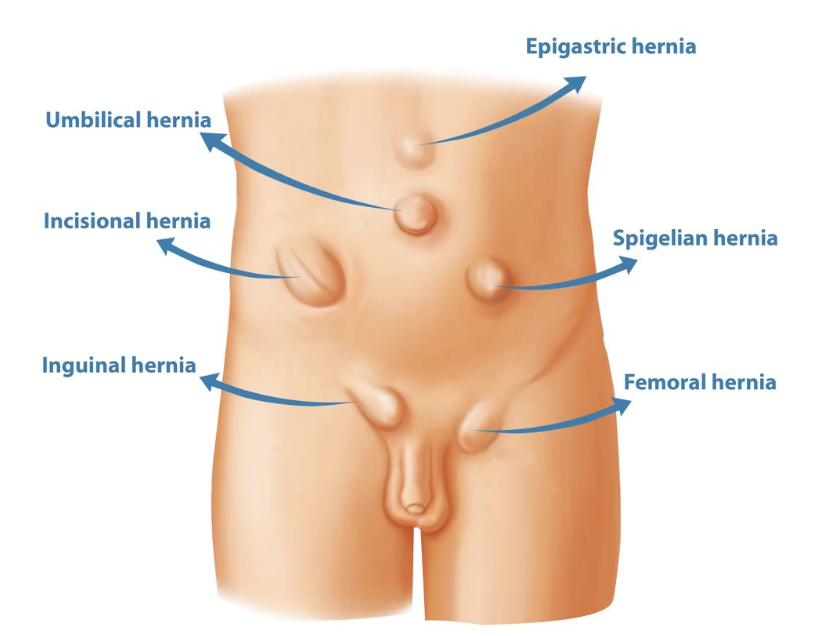 https://www.thesurgeonscollective.com.au/conditions/types-of-hernia-hia…
Type of hernia
- What type of hernia do you have and what may have cause or exacerbated it?
Type of surgery
- What to expect during the procedure?
- What type of anesthesia will be used?
- How soon should you stop smoking/drinking?
Any preoperative instructions
- Do you need to stop any medication that you’re taking before the surgery? If yes, how many days before surgery must you stop taking them?
Herniotomy or Hernioplasty?
- What type of hernia repair would be best choice for you?
- What are the alternative types of surgeries for hernia repair?
- Will a mesh or non-mesh repair be used for you?
Risks
- Is the surgery an emergency or may be planned at an interval?
- What happens if you choose not to get the surgery?
- What are the potential complications of hernia surgery?
- What is the incidence of occurrence of the risks?
Recovery
- What is the expected duration of the hospital stay?
- When can you expect to resume daily activities like driving/workout etc?
- Are there any foods you need to avoid?
- What type of diet is best after surgery?
Follow-up care
- How often should you expect the follow-up visits and for how long?
FRACTURES
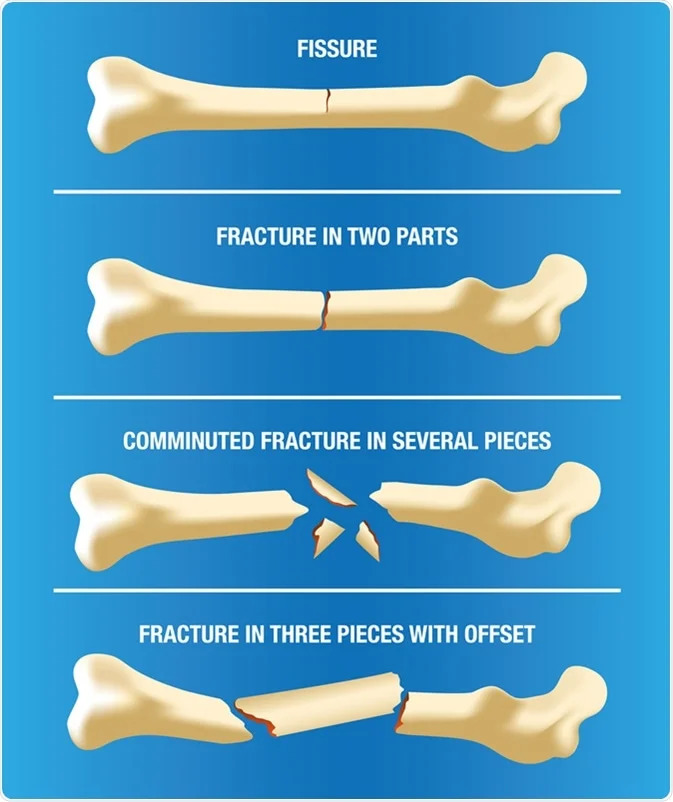
A fracture is a partial or complete breakage of a bone. It can be open (bone is exposed), closed (bone is broken but the overlying skin is intact) or comminuted fracture (multiple areas of breakage). Fracture surgery involves realignment of the broken sections of the bone using screws, nails and plates known as open reduction and internal fixation (ORIF).
Some common cases where fracture surgery is recommended are:
- Multiple areas of fracture in a bone
- Bone does not heal properly with cast, splint or brace
- Bone is displaced and at an uneven angle
https://www.news-medical.net/health/Broken-Bone-First-Aid.aspx
About the Procedure:
- What type of fracture surgery is recommended for you kind of fracture?
- Are there different surgical techniques for your fracture? If yes, which one is best for you?
- What kind of anaesthesia will be used?
- Considering your age and present health status would the surgery be the right choice for you?
Risks and Complications:
- Ask about the associated risks and complications associated with this surgery?
- Ask about red flags and any symptoms related to complication that you should watch out for post operatively.
- Ask about the incidence of complications.
Recovery and Rehabilitation:
- Ask about the duration of the surgery and expected hospital stay.
- Inquire about the pain management pain management plan during and post-surgery.
- What kind of physical therapy may be needed after surgery and how soon?
- How long will it take for your fracture to heal?
- When can you be expected to resume normal activities?
Alternative Treatments:
- Are there any non-surgical options for treating your type of fracture? If yes, what are the pros and cons?
- Ask about the potential benefits of surgery versus the treatment options?
Pre-operative Considerations:
- What pre-operative tests will be needed?
- Any lifestyle changes or medications that need to be adjusted/stopped before surgery?
- Any preparations needed for the recovery period at home after the surgery?
Surgical decisions are based on medical decisions based on one’s symptoms, progression of disease, severity and threat to normal functioning. Even though the doctor steers the wheel and has your best interests in mind based on their medical knowledge, feeling a part of the decision and self-advocacy can help improve the outcome and feel more informed about the process. So do not hesitate to ask the right questions and be your self-advocate as its your body and the outcome is yours to live with.
Changed
09/Jun/2026