
Submitted by PatientsEngage on 27 December 2016

You have the Complete Blood Test in front of you and don’t now what the results mean. Dr. Shital Raval explains it in simple terms in our Health by Numbers/Medical Tests series.

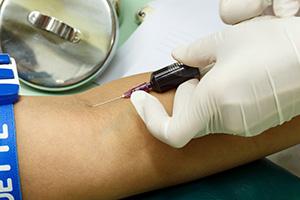
A CBC or complete blood test is a basic blood test which is often carried out along with a physical examination to verify and analyse various cellular components in the blood. This allows the doctor to check and confirm any suspicions and find any potential health problems.

CBC test result alone may not be sufficient to diagnose certain or all health problems but is the first step in screening and early diagnosis. Since results from different laboratories may vary slightly, these values are not absolute. It would be best to discuss any abnormality in your blood test with your doctor.

Irregularities in the blood test may also be due to factors such as diet, obesity, physical activity, alcohol intake, menstrual cycle, certain medications etc.

Here is a brief explanation of the important blood panels to look out for in your CBC and what they mean:

RBC count: The number of RBCs in the blood may indicate their lifespan and general health. However any irregularities would need further testing and investigation.

WBC count: Since white blood cells are the important part of our immune system and help fight infection, a high count would indicate presence of an infection, inflammation, anaemia, autoimmune diseases or even leukaemia. A low count could be caused by certain medications or health problems.

Normal range of WBC differential count:

Neutrophils 40% to 60% of the total
Lymphocytes 20% to 40%
Monocytes 2% to 8%
Eosinophils  1% to 4%
Basophils 0.5% to 1%

Platelet count: Platelets are cells that are involved in clotting of blood. A low platelet count or thrombocytopenia may indicate a higher risk of bleeding as not enough platelets are being produced or are getting destroyed. Common causes for this include infections like Malaria or Dengue, cancer treatments such as chemotherapy or radiation, certain medications, autoimmune disorders which attack the platelets. A high platelet count called Thrombocytosis means there is an over-production of platelet cells. This may be due to Haemolytic anaemia, iron-deficiency anaemia, cancer, certain medications, bone marrow diseases, thrombocythemia (excess platelet production from bone marrow), recent surgery such as spleen removal, certain infections or allergic reactions. Formation of blood clots is a serious side-effect of high plate count too!

Haemoglobin: Red blood cells contain haemoglobin which is responsible for delivering oxygen from the lungs to the rest of the body and carbon dioxide back to the lungs. A low count may be a sign of anaemia. Normal range does vary in both genders.

Hematocrit: Hematocrit helps identify anaemia as it is a measure of the total volume of RBCs in blood. Normal range does vary in both genders.

Cholesterol: Cholesterol is the fatty substance or lipid made by cells in the body, especially by the liver. When low-density lipoproteins (LDLs) carry the cholesterol in the blood, it is called “bad cholesterol”. High levels of LDL indicate a higher risk of heart disease. When cholesterol is carried by High density lipoproteins (HDLs), it is referred to as “good cholesterol” and high levels of HDL may help prevent cardiovascular disease. Its also important to look at the cholesterol ratio : Total cholesterol divided by HDL. According to American Heart Association, it is important to keep it under 5 with 3.5 being ideal. 

Test Normal Range
Red blood cell (varies with altitude) Male: 5 to 6 million cells/mcL
Female: 4 to 5 million cells/mcL
White blood cell 4,500 to 10,000 cells/mcL
Platelets 140,000 to 450,000 cells/mcL
Haemoglobin (varies with altitude) Male: 14 to 17 gm/dL
Female: 12 to 15 gm/dL
Hematocrit (varies with altitude) Male: 41% to 50%
Female: 36% to 44%
Total cholesterol 200 to 240mg/dl
LDL 100 to 190 mg/dl
HDL 40 to 60 mg/dl
   
Changed
22/May/2017

Stories

  • From Athlete To Cardiac Patient - A Series Of Avoidable Events
    That’s how Rahul, 49, describes his journey. A journey from an athletic teenager to some one who is now a cardiovascular patient with hypertension and hyperlipidemia. All because he did not make his health a priority. “It’s changed my family’s life and landed me in a situation I would not wish on anyone.” I survived a heart attack two years ago. How did I get here? I was an athletic teenager. At the age of 20, I did a 200km trek and was regularly running half marathons. But today…
  • Manage High Blood Pressure With Our 10 Clear Tips
    Managing high blood pressure is an important aspect of health management since it can lead to many issues - kidney disease, heart disease, cardiovascular disease, etc. We address questions on - What to eat? How much salt is ok? Is it ok to drink? What does Vitamin D have to do with it? And more. 1. What is considered high blood pressure? A reading of 120/80 mmHg is considered normal. A blood pressure reading of 140/90 mmHg or higher is considered high blood pressure. If your blood…
  • Low salt Minestrone Soup
    By Poshan Cure Thru Diet This healthy and filling soup is rich in antioxidants, protein, fibre and potassium. It is a meal in itself. But patients on dialysis or those with heart and kidney problems with high level of potassium need to check with the dietitian before eating this. Ingredients: (Serves 2 – 3) 1 tbsp olive 0il  I cup pasta (optional) 2 bay leaves  1/2 cabbage  ¼ bunch celery                    …
  • Stock pic of a person's teeth being examined by a dentist
    Dental Health and its influence on Systemic Diseases
    Maintaining good oral health is more than just about keeping cavities at bay. Your dental health has far-reaching consequences on your body, with oral bacteria being linked to many life-threatening conditions, like cardiovascular and respiratory diseases, renal health and even brain abcess. Oral hygiene and overall good health  Like many areas of the body, your mouth is teeming with bacteria, most of them harmless. Normally the body's natural defences and good oral health can keep these…
  • Statin therapy may increase the risk of Diabetes by 46% - Understand the risk and review dosage and lifestyle
    Statin therapy appears to increase the risk for type 2 diabetes by 46%, even after adjustment for confounding factors, a large new population-based study concludes. The majority of people in this new study were taking atorvastatin and simvastatin, and the risk for diabetes was dose-dependent for these two agents, the researchers found. Nevertheless, senior author Markku Laakso, MD, from the University of Eastern Finland and Kuopio University Hospital, told Medscape Medical News: "Even if…
  • Lack of exercise 'twice as deadly' as obesity
    Just 20 minutes of brisk walking a day may be all it takes to lessen a sedentary person's risk of early death, says a new study. The researchers also found the risk of early death due to lack of exercise is double that posed by obesity and does not necessarily depend on being obese or overweight. Prof. Ekelund says the study delivers a simple message: "just a small amount of physical activity each day could have substantial health benefits for people who are physically inactive." However,…
  • Gong Xi Gong Xi...
    Enjoy the Lunar New Year festivities without compromising your health. By Nutritionist Kohila Govindaraju. It’s that time of the year again, the most significant few days in the Chinese calendar – the Lunar New Year. It’s a time to get together with friends and family and eat, drink and be merry... in a health-conscious way.  First up, the Reunion Dinner on New Year’s Eve, when families gather around a sumptuous meal. A part of the meal is Lo Hei, when everyone gathers…
  • Carbs that protect your heart
    Keeping up with the carb-bashing can be tough. One day they’re in, the next day they’re on the chopping block.  A diet that includes whole grains may help protect your heart, finds new research published Monday in JAMA InternalMedicine. Every 28 gram-per-day serving of whole grains was associated with a 9% lower rate of death from cardiovascular disease and a 5% lower rate of death from any cause.  It’s best to remember the simple mantra: eat real food. We need…
  • Yoga comparable with walking, biking to improve cardiovascular risk
    Yoga has roots as an ancient mind-body practice that incorporates physical, mental and spiritual elements. Originating in India, yoga has been proven effective in numerous studies to improve cardiovascular risk factors, with a reduction in the risk of heart attacks and strokes. When compared with no exercise, yoga was associated with significant improvement in each of the primary outcome risk factors measured: Body mass index (BMI) reduced by 0.77 kg/m2 (measured as a "mean…
  • 43% of Heart Attack Patients Had Anaemia
    India and South-east Asia has high incidence of anaemia. Family practitioner Dr Gita Mathai tells you all you need to know about this often-silent threat that can pose many complications.  What is anaemia? Anaemia (or Anemia) is a generic term for low haemoglobin in the blood from any cause. It is not a disease by itself. It can occur in different forms and be caused by many factors.  Anaemia is diagnosed when the haemoglobin value checked in the laboratory is…