Submitted by PatientsEngage on 27 December 2016

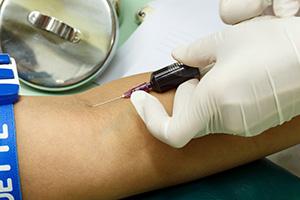
You have the Complete Blood Test in front of you and don’t now what the results mean. Dr. Shital Raval explains it in simple terms in our Health by Numbers/Medical Tests series.

A CBC or complete blood test is a basic blood test which is often carried out along with a physical examination to verify and analyse various cellular components in the blood. This allows the doctor to check and confirm any suspicions and find any potential health problems.

CBC test result alone may not be sufficient to diagnose certain or all health problems but is the first step in screening and early diagnosis. Since results from different laboratories may vary slightly, these values are not absolute. It would be best to discuss any abnormality in your blood test with your doctor.

Irregularities in the blood test may also be due to factors such as diet, obesity, physical activity, alcohol intake, menstrual cycle, certain medications etc.

Here is a brief explanation of the important blood panels to look out for in your CBC and what they mean:

RBC count: The number of RBCs in the blood may indicate their lifespan and general health. However any irregularities would need further testing and investigation.

WBC count: Since white blood cells are the important part of our immune system and help fight infection, a high count would indicate presence of an infection, inflammation, anaemia, autoimmune diseases or even leukaemia. A low count could be caused by certain medications or health problems.

Normal range of WBC differential count:

Neutrophils 40% to 60% of the total
Lymphocytes 20% to 40%
Monocytes 2% to 8%
Eosinophils  1% to 4%
Basophils 0.5% to 1%

Platelet count: Platelets are cells that are involved in clotting of blood. A low platelet count or thrombocytopenia may indicate a higher risk of bleeding as not enough platelets are being produced or are getting destroyed. Common causes for this include infections like Malaria or Dengue, cancer treatments such as chemotherapy or radiation, certain medications, autoimmune disorders which attack the platelets. A high platelet count called Thrombocytosis means there is an over-production of platelet cells. This may be due to Haemolytic anaemia, iron-deficiency anaemia, cancer, certain medications, bone marrow diseases, thrombocythemia (excess platelet production from bone marrow), recent surgery such as spleen removal, certain infections or allergic reactions. Formation of blood clots is a serious side-effect of high plate count too!

Haemoglobin: Red blood cells contain haemoglobin which is responsible for delivering oxygen from the lungs to the rest of the body and carbon dioxide back to the lungs. A low count may be a sign of anaemia. Normal range does vary in both genders.

Hematocrit: Hematocrit helps identify anaemia as it is a measure of the total volume of RBCs in blood. Normal range does vary in both genders.

Cholesterol: Cholesterol is the fatty substance or lipid made by cells in the body, especially by the liver. When low-density lipoproteins (LDLs) carry the cholesterol in the blood, it is called “bad cholesterol”. High levels of LDL indicate a higher risk of heart disease. When cholesterol is carried by High density lipoproteins (HDLs), it is referred to as “good cholesterol” and high levels of HDL may help prevent cardiovascular disease. Its also important to look at the cholesterol ratio : Total cholesterol divided by HDL. According to American Heart Association, it is important to keep it under 5 with 3.5 being ideal. 

Test Normal Range
Red blood cell (varies with altitude) Male: 5 to 6 million cells/mcL
Female: 4 to 5 million cells/mcL
White blood cell 4,500 to 10,000 cells/mcL
Platelets 140,000 to 450,000 cells/mcL
Haemoglobin (varies with altitude) Male: 14 to 17 gm/dL
Female: 12 to 15 gm/dL
Hematocrit (varies with altitude) Male: 41% to 50%
Female: 36% to 44%
Total cholesterol 200 to 240mg/dl
LDL 100 to 190 mg/dl
HDL 40 to 60 mg/dl
   
Changed
22/May/2017

Stories

  • All you need to know about cholesterol and your diet
    Are eggs off-limits? How to make sense of the numbers on ‘low-cholesterol’ packaged foods? Is extra virgin coconut oil all it is made out to be? These and other questions answered by nutritionist Kohila Govindaraju  Does our body need cholesterol? The surprising answer is Yes! Cholesterol, a fatty substance that circulates in the blood is an important component of human cells. It is often viewed as an all-out villain, but our body needs some amount of cholesterol to…
  • Yoga for High Blood Pressure - E-Book
    Rahul did not take his high cholesterol and high BP seriously and this is what happened. https://www.patientsengage.com/personal-voices/athlete-cardiac-patient-series-avoidable-events Another example of meditation and calming those nerves: https://www.patientsengage.com/personal-voices/medication-and-meditation How can you reduce blood pressure in the comfort of your home? We hand picked simple asanas for our members and put it together in this E-book.  You can download it from here: …
  • Image text says Superfoods
    5 budget superfoods
    Nutritious foods that give you the most bang for your buck. By Dietitian and Diabetes educator Ujjwala Baxi When we hear ‘superfoods’, we think quinoa, blueberries, salmon, chia seeds etc thanks to clever marketing and hype. These are not only expensive, but can be hard to get hold of, especially in India. The good news is that there are ‘superfoods’ that are readily available and affordable, but are often ignored. They pack as much punch as the much-touted superfoods but are overlooked as…
  • Heart Disease Prevention
    Heart disease can be prevented if we control the risk factors associated with the disease. Quit smoking Maintain healthy weight Manage your blood pressure and diabetes Watch your diet  Exercise regularly Manage stress Have regular check ups with your doctor Ask your doctor about taking aspirin (80-160mg once a day) for primary prevention
  • Cardiovascular Disease Management
    Cardiovascular Conditions need to managed at multiple levels: Treatment options: Please refer to http://www.patientsengage.com/conditions/cardiovascular-diseases/treatments Food and nutrition Heart disease patients are recommended the following diet: A heart-healthy diet is low in salt, saturated fat, trans fat, cholesterol and refined sugars. Avoid animal fats, butter, margarine. Foods containing monounsaturated fat, polyunsaturated fat (olive oil, safflower oil, peanut oil) and omega 3…
  • Heart Disease Treatment
    Medication Anticoagulants [Dalteparin (Fragmin), Danaparoid (Orgaran)] help to prevent harmful clots from forming in the blood vessels.  Antiplatelet agents (Aspirin) help prevent clotting in patients who have had a heart attack. Angiotensin converting enzyme (ACE) inhibitors [Benazepril (Lotensin)] are used to treat or improve symptoms of cardiovascular conditions including high blood pressure and heart failure. Beta blockers [Acebutolol (Sectral)] decrease the heart rate and cardiac…
  • Tests for Heart Disease and Diagnosis
    Your doctor may recommend the following tests: ECG (electrocardiogram): This records electrical impulses of the heart and can help the doctor detect irregularities in your heart’s rhythm and structure. Chest X-ray: Reveals whether the heart is enlarged or not. Echocardiogram: To see images of the heart’s structure and function. Cardiac catheterisation (coronary angiogram): This involves running a slim catheter in to the heart. The doctor then uses this to diagnose the condition of the heart and…
  • Types of Heart Diseases
    Different types of heart disease Angina: This refers to chest pain that is caused by hardened plaque, which narrows the coronary artery and reduces the flow of oxygen- ich blood to heart. Congenital heart disease: This is present at birth. Examples include atrial septal defest, ventricular defect, patent ductus arteriosus, pulmonary valve stenosis, right ventricular hypertrophy. Congestive heart failure: This happens when the heart is not able to pump blood in the normal manner. This can happen…
  • Signs and Symptoms of Heart Diseases
    The following are the typical symptoms: Anxiety: An impending heart attack may be preceded by feelings of anxiety.  Angina or chest pain: Heart-related chest pain is often centred under the left breast bone. The pain has been described as “an elephant sitting on the chest”. It can also present as an uncomfortable sensation of pressure, squeezing or fullness, or burning sensation in the chest. Cough: Persistent coughing or wheezing as a result of fluid accumulation in the lungs. …
  • Causes of Heart Disease and Risk Factors
    What causes heart disease Smoking: Any amount of smoking, even light smoking or occasional smoking, damages the heart and blood vessels. Smoking lowers HDL cholesterol (good cholesterol), raises blood pressure and damages heart tissue. High amounts of fat and cholesterol in the blood: When there is excess cholesterol (a fat-like substance) in your blood, it builds up in the walls of the arteries causing them to harden and narrow. This can slow down the flow of…