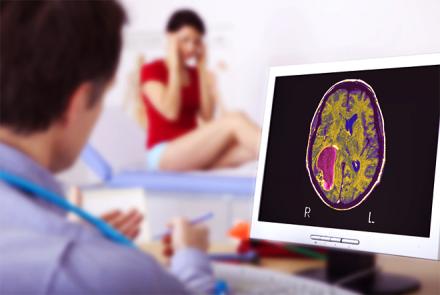

Melvin George, 30 shares his experience of getting a diagnosis of Astrocytoma, a brain tumour, navigating the care options, the side effects of the cancer and the treatment, how the experience affected him personally and how faith was the bedrock of his recovery. Plus work related challenges.
Shocking Diagnosis
July 11th 2017. I was on my bed in my dorm room and as I woke up, I saw the ceiling vibrating vigorously. I think that was my first episode of seizure but wasn’t sure what it was at that…
World Brain Tumour Day
Primary brain cancers account for 2% of all cancers and represent about 20% cancer deaths per year. Dr. Suresh Sankhla, Consultant Neurosurgeon emphasises that increased awareness about brain tumours can result in early diagnosis, prompt treatment, and excellent outcome.
What are the common signs and symptoms of brain tumour?
Following are the most common symptoms of brain tumours, which may be present in various combinations. All symptoms are initially very mild but always increase in frequency and severity.
- Headache, nausea, vomiting, dizziness: in increasing frequency and severity
- Loss of vision
- Loss of hearing
- Loss of balance or coordination
- Paralysis on one half of body
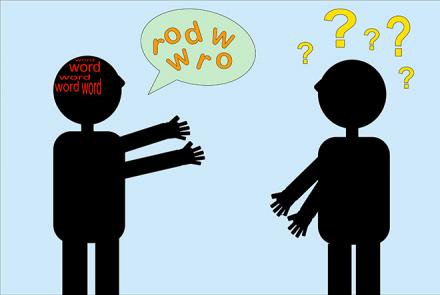
- Speech disturbances
- Convulsions
- Attacks of loss of consciousness
Surprising signs of Brain Tumour: Don't Ignore Behavioural Changes
Which are the most common types of brain tumours?
- Gliomas (occurring in the brain and spinal cord)
- Meningiomas (occurring in the coverings of the brain and spinal cord)
- Schwannomas (occurring in the nerve cells)
- Ependymomas (occurring in the central nervous system)
- Craniopharyngiomas (occurring near the pituitary gland)
- Pituitary Adenomas (occurring in the pituitary gland)
Which cancers commonly metastasize (spread) to the brain?
Practically all cancer tumours from other parts of the body can metastasize to brain but the most common of them are from:
- Lung cancers
- Cancers from the intestinal tract
- Breast cancers
- Cancers from the uterus and ovaries, prostate etc.
Who is most at risk for a brain tumour?
There has been no proven association so far between any external factor with the occurrence of brain tumours, except for the radiation exposure which can produce brain tumours after some time.
Are there any differences in occurrence of brain tumours between males and females?
Generally, there is no significant difference in the incidence of brain tumours in males and females. However, meningioma (a benign tumour) is the only brain tumour which is found slightly more commonly in females as compared to males, probably because of some hormonal influences in women. But we can’t say that brain tumours occur more frequently in females.
What are the options available for treatment of brain tumour?
- Surgery: Minimally invasive surgery
- Radiation therapy
- Chemotherapy
Which is the most common type of brain tumours in children?
Most of the brain tumours in early childhood are malignant, such as medulloblastomas, ependymomas, gliomas, germ cell tumors etc., but benign or low-grade tumours like craniopharyngiomas, pilocytic astrocytomas, or rachnoid cysts are also common in children.
What percentage of brain tumours is cancerous?
Approximately 30% - 35% brain tumours are cancerous.
What is the incidence and prevalence of brain tumour in India? Is it on the rise? If so why?
Primary brain cancers account for 2% of all cancers and represents about 20% cancer deaths per year. In children, brain cancers account for about 20% of all cancers.
There is no clear evidence that the incidence of brain tumour is increasing. However, the brain tumours are now diagnosed very early and easily because of the availability of very sensitive investigations like CT or Brain scans.
Can changing your eating and nutritional habits decrease your risk of developing brain cancer?
There is no evidence that there is any direct correlation between the dietary habits and tumour occurrence.
On World Brain Tumour Day, would you like to give a message to our readers to educate people about the disease?
One should live a normal healthy life with balanced diet, disciplined sleep and other activities, and regular exercises and physical fitness. Any symptom (headache, visual impairment, dizziness, vertigo etc.) which is not subsiding with regular medications and lasting for more than few days, should not be taken lightly and an immediate medical consultation should be made.
Must read: Don't Ignore Behavioural Changes
My take home message: Increased awareness about the brain tumours can result in early diagnosis, prompt treatment, and excellent outcome or long-term cure.
(Dr Suresh Sankhla, Consultant Neurosurgeon, is President, Bombay Neurosciences Association [BNA], Vice President, Indian Society for Pediatric Neurosurgery [IndSPN], President Elect, Indian Society of Neuro-Oncology [ISNO], Past President, Skull Base Surgery Society of India [SBSSI], Executive Member, Neurological Society of India [NSI], Executive Committee, Asian Australasian Society for Pediatric Neurosurgery [AASPN] and Founder Editor, J of Pediatric Neurosciences.)

Changed
08/Jun/2026
Community
Condition