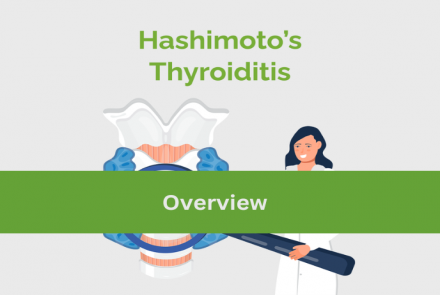
Hashimoto’s thyroiditis, also called Hashimoto’s disease, is an autoimmune disease in which the thyroid is attacked by the body’s immune system, causing symptoms of hypothyroidism (underactive thyroid gland). It is most common among middle-aged women.
What is the thyroid gland?
The thyroid is a 2-inch-long, butterfly-shaped gland weighing less than 1 ounce. Located in the front of the neck below the larynx, or voice box, it has two lobes, one on either side of the windpipe.
The thyroid makes…

Latest Stories
 By family practitioner and paediatrician Dr Gita Mathai. How much sleep we need, the best time to go to bed, effects of sleep deprivation and how to improve your sleep practice. How much sleep do we really need? We actually sleep away one third of our lifetimes. In infancy, a baby may sleep anywhere from 14-17 hours a day. Their sleep requirements are not controlled by outside forces like light, sound or work. So, babies sleep as much as their body needs. As age increases, the number of…
 Heart disease can be prevented if we control the risk factors associated with the disease. Quit smoking Maintain healthy weight Manage your blood pressure and diabetes Watch your diet Exercise regularly Manage stress Have regular check ups with your doctor Ask your doctor about taking aspirin (80-160mg once a day) for primary prevention
 Cardiovascular Conditions need to managed at multiple levels: Treatment options: Please refer to http://www.patientsengage.com/conditions/cardiovascular-diseases/treatments Food and nutrition Heart disease patients are recommended the following diet: A heart-healthy diet is low in salt, saturated fat, trans fat, cholesterol and refined sugars. Avoid animal fats, butter, margarine. Foods containing monounsaturated fat, polyunsaturated fat (olive oil, safflower oil, peanut oil) and omega 3…
 Medication Anticoagulants [Dalteparin (Fragmin), Danaparoid (Orgaran)] help to prevent harmful clots from forming in the blood vessels. Antiplatelet agents (Aspirin) help prevent clotting in patients who have had a heart attack. Angiotensin converting enzyme (ACE) inhibitors [Benazepril (Lotensin)] are used to treat or improve symptoms of cardiovascular conditions including high blood pressure and heart failure. Beta blockers [Acebutolol (Sectral)] decrease the heart rate and cardiac…
 Your doctor may recommend the following tests: ECG (electrocardiogram): This records electrical impulses of the heart and can help the doctor detect irregularities in your heart’s rhythm and structure. Chest X-ray: Reveals whether the heart is enlarged or not. Echocardiogram: To see images of the heart’s structure and function. Cardiac catheterisation (coronary angiogram): This involves running a slim catheter in to the heart. The doctor then uses this to diagnose the condition of the heart and…
 Different types of heart disease Angina: This refers to chest pain that is caused by hardened plaque, which narrows the coronary artery and reduces the flow of oxygen- ich blood to heart. Congenital heart disease: This is present at birth. Examples include atrial septal defest, ventricular defect, patent ductus arteriosus, pulmonary valve stenosis, right ventricular hypertrophy. Congestive heart failure: This happens when the heart is not able to pump blood in the normal manner. This can happen…
 The following are the typical symptoms: Anxiety: An impending heart attack may be preceded by feelings of anxiety. Angina or chest pain: Heart-related chest pain is often centred under the left breast bone. The pain has been described as “an elephant sitting on the chest”. It can also present as an uncomfortable sensation of pressure, squeezing or fullness, or burning sensation in the chest. Cough: Persistent coughing or wheezing as a result of fluid accumulation in the lungs. …
 What causes heart disease Smoking: Any amount of smoking, even light smoking or occasional smoking, damages the heart and blood vessels. Smoking lowers HDL cholesterol (good cholesterol), raises blood pressure and damages heart tissue. High amounts of fat and cholesterol in the blood: When there is excess cholesterol (a fat-like substance) in your blood, it builds up in the walls of the arteries causing them to harden and narrow. This can slow down the flow of…