How is arrhythmia treated?
1. Medicines:
These include drugs that help control your heart rhythm and slow down your heart rate, such as beta-blockers, or antiarrhythmics (amiodarone and flecainide)
2. Surgical procedures:
Cardioversion - A controlled electric shock is applied to the chest from a machine called a defibrillator in order to restore the heart’s rhythm. This may be carried out if you have atrial fibrillation. Cardioversion is usually done under general anaesthesia, but…

Latest Stories
 Everything you need to know about irregular heartbeats. By Dr Shital Raval What is an arrhythmia? An arrhythmia is a disturbance of the usual electrical rhythm of the heart. It can occur regularly or just occasionally. Arrhythmias are disorders of the heart’s electrical system, which means there is a change in the regular beat. This can be as a result of the conduction pathway being damaged or blocked, or because an extra pathway is present. The heart may beat too quickly (tachycardia), or too…
 Some lifestyle changes may prevent arrhythmia: Eat a low-fat, well balanced diet. Exercise on a regular basis. Quit smoking and tobacco use. Avoid or reduce caffeine and alcohol intake. Avoid using any illicit drugs. Reduce anxiety and stress to reduce the intensity or frequency of palpitations. Deep breathing, yoga and meditation relax your body. Check the ingredients in herbal medicines and supplements you are taking if they contain caffeine or substances that can induce palpitations.
 What diagnostic tests are conducted to detect an arrhythmia? Your doctor may ask for the following tests: Full blood count (FBC) Electrocardiogram (ECG) – this records the electrical activity of your heart to see how well it’s working 24-hour heart monitor (ambulatory ECG) – this records the electrical activity of your heart over 24 hours or longer Exercise ECG – this can check for other problems with your heart and may trigger abnormal heart rhythms Echocardiogram – this uses ultrasound (…
 Arrhythmias can be further classified based on their rhythm or speed - Tachycardia is when the heart rate is above 100 beats per minute. Bradycardia is when the heart rate is less than 60 beats per minute. Depending on the place of origin, arrhythmias can be classified as “Atrial, Junctional or Ventricular”. Some of the more common abnormal heart rhythms are: Atrial fibrillation (AF) - the most common type of serious arrhythmia, it causes fast and irregular contraction…
 Symptoms depend on the type and severity of the arrhythmia. Frequency of occurrence varies from daily to once or twice a year. With some types of arrhythmia you may not get any symptoms, but symptoms may include: Palpitations Dizziness Fainting or collapsing Breathlessness Chest pain Tiredness
 You can try some of our self help steps listed here http://www.patientsengage.com/conditions/12-tips-help-relieve-anxiety-and-depression. But if that does not help, please consult a specialist listed below Your support team: Who can help General practitioner Psychologists and psychiatrists Mental health nurse practitioners Social workers in mental health Occupational therapists in mental health Counsellors Complementary health practitioners Other specialists as required
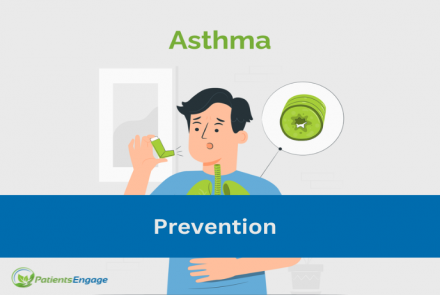 Can Asthma be prevented? Take these steps to ensure you keep asthma away as much as possible. • Take the prescribed medicines regularly. • Visit your doctor regularly for check-ups. • Make sure you keep your inhaler with you and are using it properly. • Use a home peak flow meter to measure how well air is flowing through your lungs. It can also stop prevent an attack. • Avoid all known triggers…
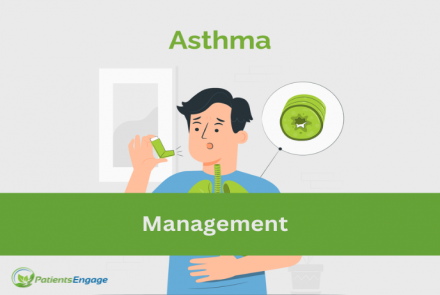 There are different aspects to management of asthma Treatment: http://www.patientsengage.com/conditions/asthma/treatments Food and nutrition There’s no special asthma diet. Avoid foods that exacerbate asthma symptoms. Some research suggests the following may help. You can discuss it with your doctor: Diets higher in vitamins C and E, beta-carotene, flavonoids, magnesium, selenium, and omega-3 fatty acids may help asthma. Many of these substances are antioxidants, which protect cells from…