Insomnia is a common sleep problem for adults, affecting millions worldwide.A person suffering from insomnia has difficulty falling asleep or staying asleep, even when he or she has the chance to do so.
Why is insomnia a concern
People with insomnia can feel dissatisfied with their sleep and usually experience one or more of the following: fatigue, low energy, difficulty concentrating, mood disturbances and decreased performance in work or at school.

Latest Stories
 Your doctor will likely diagnose insomnia based on your medical history, sleep histories, physical exam and sleep study. Medical History:To find out what's causing your insomnia. The doctor may ask whether you: Have any new or ongoing health problems Have painful injuries or health conditions, such as arthritis Take any medicines, either over-the-counter or prescription Have symptoms or a history of depression, anxiety or psychosis Are coping with highly stressful life events, such as divorce…
 Insomnia is characterised based on duration: Acute insomnia (short term) is brief and often happens because of life circumstances (for example, before an exam or after receiving stressful or bad news). Many people experience this type of passing sleep disruption, and it tends to resolve without any treatment. Chronic insomnia (ongoing) is disrupted sleep that occurs at least three nights per week and lasts at least three months. Chronic insomnia disorders can have many causes: Changes in…
 As a first step, make the lifestyle changes suggested here Know your support team: Who can help you stay healthy Your family physician Sleep medicine specialists Neurologists Psychologists & Psychiatrists Nutritionist Hypnotherapist or a massage therapist See the video below for some simple tips
 Insomnia can often be prevented by making simple lifestyle changes and adopting healthy habits and following a regular schedule. Read more about Good Sleep Practices: 13 Steps To Better Quality Sleep Importance of Sleep
 Although the exact cause of lupus and other autoimmune diseases is unknown, most believe that lupus results from both genetic and environmental stimuli. Since lupus is known to occur within families, doctors believe that it is possible to inherit a genetic predisposition to lupus. It is probable that having an inherited predisposition for lupus makes the disease more likely only after coming into contact with some environmental trigger. The higher number of lupus cases in females than in males…
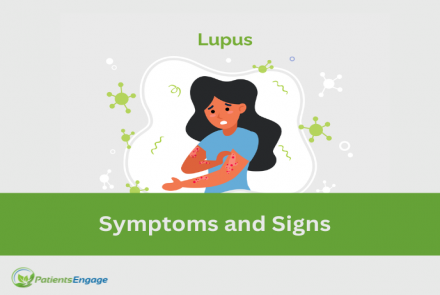 Each person with lupus has slightly different symptoms that can range from mild to severe and may come and go over time. Usually the joint and muscle pain, rashes on skin are seen all the time but the intensity of the symptoms decrease with treatment. Painful or swollen joints and muscle pain Unexplained fever Red rashes, most commonly on the face Chest pain upon deep breathing Unusual loss of hair Pale or purple fingers or toes from cold or stress (Raynaud's phenomenon) Sensitivity to the sun…
 There are several types of lupus: 1. Systemic lupus erythematosus (SLE) is the form of the disease that most people are referring to when they say “lupus”. The word “systemic” means the disease can affect many parts of the body. Although SLE usually first affects people between the ages of 15 and 45 years, it can occur in childhood or later in life as well. 2. Discoid lupus erythematosus is a chronic skin disorder in which a red, raised rash appears on the face, scalp, or elsewhere. The…
 As signs and symptoms vary considerably from person to person, there is no single diagnostic test that can confirm lupus. In addition, signs and symptoms tend to change over time and are similar to those of other disorders and diseases. These fluctuations in disease activity make lupus extremely challenging to diagnose. The doctor may suggest some of the following: Complete blood count (CBC) to detect anaemia, low platelet count, and low white blood cell count. Antibody tests that includes…