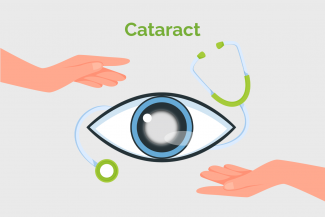
Cataracts, including congenital cataracts are relatively common in India. According to World Health Organisation (WHO), cataracts are a leading cause of blindness and visual impairment in India. It is estimated that >50% of the blindness cases in India are caused by cataracts. Cataracts can affect people of all age groups, but they are most commonly associated with aging, especially after the age of 50. However, cataracts can also occur in younger age groups, including children and middle-aged adults. Congenital cataracts, are present at birth or develop shortly after birth during infancy.
While cataracts cannot be completely prevented, certain measures may help reduce the risk of developing cataracts or delay their progression. Here are some strategies that may be beneficial:
- Eye Protection from Ultraviolet (UV) Light: Prolonged exposure to sunlight and UV radiation can increase the risk of cataract formation.
- Quit Smoking: Smoking has been associated with an increased risk of cataract development. Quitting smoking or avoiding smoking altogether can contribute to better eye health.
- Manage Systemic Health Conditions: Certain systemic health conditions, such as diabetes and hypertension, can increase the risk of cataracts. Keeping these conditions under control through regular medical care, lifestyle modifications, and appropriate medication can help reduce the risk.
- Limit Alcohol Consumption: Excessive alcohol consumption has been linked to an increased risk of cataract development. Limiting alcohol intake or avoiding excessive drinking can be beneficial for overall eye health.
- Regular Eye Examinations: Routine eye examinations are crucial for early detection and management of cataracts. Regular check-ups with an eye care professional can help monitor any changes in your eyes and ensure timely intervention if needed.
While these measures may lower the risk or delay the onset of cataracts, they cannot guarantee complete prevention. Age-related cataracts, in particular, are influenced by factors beyond an individual's control. If you notice changes in your vision or suspect you may have cataracts, it's important to consult with an eye care professional for an accurate diagnosis and appropriate management.
References
- World Health Organization. Global initiative for the elimination of avoidable blindness: An informal consultation. WHO/PBL/97.61. Geneva: WHO; 1997.
- Thulasiraj RD, Nirmalan PK, Ramakrishnan R, Krishandas R, Manimekalai TK, Baburajan NP, et al. Blindness and Vision Impairment in a Rural South Indian Population: The Aravind Comprehensive Eye Survey. Ophthalmology 2003;110:1491-8.
- Murthy GV, Gupta S, Ellwein LB, Munoz SR, Bachani D, Dada VK. A Population-based Eye Survey of Older Adults in a Rural District of Rajasthan: I, Central Vision Impairment, Blindness and Cataract Surgery. Ophthalmology 2001;108:679-85.
- Mohan M. Collaborative Study on Blindness (1971-1974): A report. New Delhi, India: Indian Council of Medical Research; 1987. p. 1-65.
Contributed by
Dr Rashmi Deshmukh
Consultant Ophthalmologist, Cataract, Laser Refractive Surgery (LASIK)
L V Prasad Eye Institute
Changed
08/Apr/2025
Community
Condition