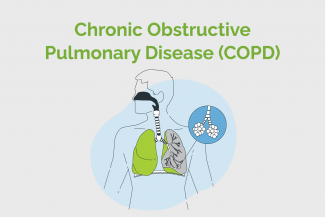
Chronic Obstructive Pulmonary Disease (COPD) is a condition commonly referred to as “smoker’s lung” as tobacco smoke is the most common cause of COPD. It is also known as Chronic Obstructive Lung Disease (COLD). The World Health Organisation (WHO) estimates COPD to be at 4th place in the list of diseases causing death. It affects 9-10% of adults aged above 40.
It is important to manage COPD if you do not want the complications to set in. The possible complications are:
- Heart failure
- Respiratory failure
Food and nutrition
- Drink plenty of fluids. You should drink at least 6 to 8 -ounce glasses of non-caffeinated beverages each day to keep mucus thin and easier to cough up.
- Limit caffeine (contained in coffee, tea, several carbonated beverages such as cola, and chocolate) as it might interfere with some of your medicines.
- Control sodium (salt) in your diet. Eating too much salt causes the body to keep or retain too much water, making breathing more difficult.
- Follow a healthy diet to maintain healthy body weight.
Physical fitness
Exercise is limited. Speak to your doctor about how much you can exercise. This will depend on your condition.
Take charge: Your action plan
- Quit smoking
- Work safe. Visit http://www.hse.gov.uk/copd/causes.htm for practical tips on making the workplace a healthier, safer environment.
- Reduce exposure to air pollution. Don’t use biogas fuels for cooking. If possible, plant trees and greenery around your home. When travelling, use a mask or helmet.
Know your support team: Who can help you stay healthy
- Regular check-up by a pulmonologist.
- Anti-smoking organisation.
Also read how to improve lung function http://www.patientsengage.com/conditions/improving-lung-function-after-you-quit-smoking
In some individuals, Obstructive Sleep Apnea may co-exist with COPD, this is termed as Overlap Syndrome. This combination may be by chance or due to a shared risk factor (like smoking) but incraeses the cardiovascular risks.management will include adherence to traetment and regular check-ups.
Changed
06/Nov/2025
Condition