  • Diabeties
    Diabetes
    Diabetes Mellitus is a metabolic disorder in which the body has difficulty regulating its blood glucose or blood sugar level.  The burden of diabetes is increasing globally, particularly in developing countries. While the causes are complex, but the increase is in large part due to rapid increases in overweight, including obesity and physical inactivity. There is good evidence that a large proportion of cases of diabetes and its complications can be prevented by a healthy diet, regular physical activity, maintaining a normal body weight and avoiding tobacco.
Submitted by PatientsEngage on 1 November 2015
Diabetes Symptoms

You could have no symptoms or you could have one or more of the following symptoms. These symptoms are common for both Type 1 Diabetes (earlier called Juvenile diabetes) and Type 2 Diabetes Mellitus.

  • Increased thirst
  • Frequent urination
  • Blurred vision
  • Extreme fatigue 
  • Weight loss
  • Increased hunger
  • Irritability
  • Tingling or numbness in the hands or feet
  • Frequent skin, bladder or gum infections
  • Wounds that don't heal
Changed
25/Feb/2025
Community
Condition

Stories

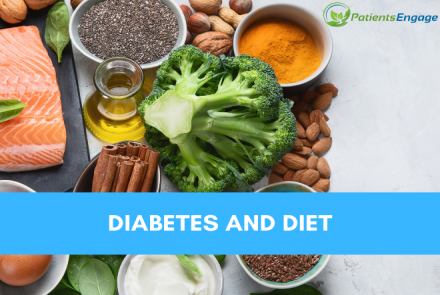
  • Eating Plan- Powerful Tool for Managing Diabetes
    Rima Rao, Registered Dietitian explains the basic tenets of a wholesome diet to manage diabetes, using the Diabetes Plate Method. She also addresses the topic of when and how much fruit a person with diabetes can consume.  "What should I eat?" is a typical question that people with diabetes ask. There is, however, no such thing as a “Diabetes Diet.” Some things that you can do include changing how you cook, how much you eat, when you eat it and what you cook with. When it comes to…
  • Travel Tips for Persons with Diabetes
    People with diabetes can travel safely and comfortably. They just need to follow a few travel guidelines. These tips have been curated based on inputs from experiences of frequent travelers with diabetes and vetted by Dr. Shital Patel. To begin with, it is important to note that diabetes related supplies are allowed on the plane.  Carry medications in hand luggage and in original packaging.  Insulin & insulin pens, alcohol swabs and unlimited numbers of unused syringes  …
  • An image with a hand crushing cigarette butts on the left and hands holding a heart to indicate how quitting tobacco saves the heart
    How Quitting Tobacco Improves Heart Health
    Tobacco increases risk of multiple heart diseases. But people who quit tobacco reduce their risk of dying from a heart disease significantly. Read more to understand the consequences of tobacco consumption and the benefits of quitting tobacco. Tobacco can affect the heart and the entire cardiovascular system including the blood vessels. According to the WHO and World Heart Federation, 1.9 million people die from tobacco-related heart diseases every year. Even occasional intake of tobacco and…
  • Patient Rekha on her diabetic retinopathy lived experience
    Never Neglect Eye Problems
    Rekha Khanduri, 73 from Mumbai has diabetes for a while and lost her eyesight due to diabetic retinopathy, a diabetes related complication. She talks about how she has since learnt to live with such an irreparable loss. Please tell us a bit about your condition : I have Blood Pressure as well as diabetes. In fact, I lost my left eye due to diabetes. When were you diagnosed with diabetes? About 35 years back. Diabetes runs in the family as both my grandfathers had it. My paternal grandfather had…
  • Thumbnail in green with text on blue strip: Can excess salt, sugar and junk food cause kidney disease in children
    Dangers Of Excess Salt, Sugar and Junk Food On Children's Health
    A panel discussion with Dr Rajan Ravichandran and Dr Arun Gupta highlighted the need for better product labeling and regulatory changes around advertising and marketing of processed foods. For parents to be aware of the link of salt, sugar and ultra processed foods with diabetes, hypertension and Chronic Kidney Disease in children. (Video below) Participants: Dr Rajan Ravichandran – Senior Nephrologist (RR) Dr Arun Gupta – Pediatrician (AG) Aparna Mittal, Founder , PatientsEngage (AM)  …
  • Managing Diabetes And A Hamstring Injury
    Dr. R.Asha Rajini, 66 from Chennai loves running marathons. A hamstring injury upset her rhythm and affected her physical and mental health, especially  diabetic control. She talks about the challenges of dealing with this setback and the lessons she learnt in the process of recovery  I was doing very well in my running training, almost every Sunday I was running about 21 to 25kms as I was getting ready to run a 50km Ultra in November 21. On August 13th I went to the gym to strengthen…
  • Image Description: An elderly person with a walker and supported by a caregiver
    बुजुर्गों में अकसर दिखने वाले ऐसे 12 लक्षण जो गंभीरता से लेने चाहियें
    वजन का बेवजह घटना, याददाश्त की समस्याएँ, कमजोरी और गहरी थकान जैसे लक्षणों को "सामान्य उम्र बढ़ने" की प्रक्रिया न समझें - ये किसी गंभीर समस्या का संकेत हो सकते हैं । इस लेख में डॉ शीतल रावल ऐसे 12  लक्षणों के बारे में बता रही हैं जो बुजुर्गों में अकसर पाए जाते हैं पर जिन्हें अनदेखा करने के बजाय आपको डॉक्टर की राय लेनी चाहिए।  वही लक्षण जो एक युवा व्यक्ति में एक कारण से हो सकते हैं वे बुजुर्गों में दूसरे कारणों से हो सकते हैं।  युवा व्यक्ति में शायद वे इतने गंभीर न हों, पर बुज़ुर्ग…
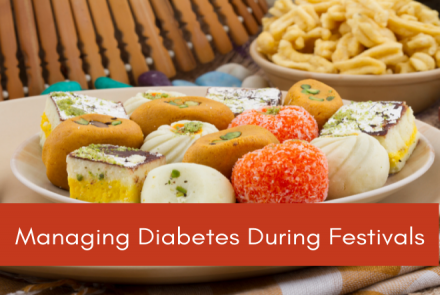
  • Picture of indian sweets and snacks with a text overlay of Managing Diabetes During Festivals
    त्योहार में ब्लड शुगर लेवल के प्रबंधन के लिए सुझाव
    काजल हांसदा, वरिष्ठ आहार विशेषज्ञ और मधुमेह शिक्षक, डीएवाई (डायबिटीज अवेयरनेस एंड यू - मधुमेह जागरूकता और आप) इस लेख में त्योहार के दिनों में रक्त शर्करा के स्तर के प्रबंधन के लिए सुझाव साझा कर रही  हैं। दीपावली और दुर्गा पूजा जैसे त्यौहारों में मिठाई और नमकीन का खुले दिल से सेवन करना आम है, हैं और यह मधुमेह वाले व्यक्तियों के लिए यह एक कठिन समय हो सकता है। ऐसे समय पर आहार का प्रबंधन कैसे किया जाना चाहिए? भारतीय त्योहारों को मिठाइयों और नमकीन भारी मात्रा में परोस कर मनाया जाता है, और ऐसे…
  • Sick Day Management For Diabetes
    If you have diabetes, your chances of getting an infection are higher than a person without diabetes. Having a cold, flu, COVID-19 or any other infection can then cause your blood glucose levels to increase. Thus, knowing how to handle such days and being prepared can prevent distress and complications that can occur due to hypergylcemia or high glucose levels in blood. What happens when you fall sick? When the body is unwell due to an infection or allergy, the immune system gets activated and…
  • Cardiovascular Complications of Diabetes
    Persons with diabetes have a 2-to-3 fold higher rate of cardiovascular complications than those without diabetes. Read more about how diabetes increases the risk of complications and what can be done to manage this risk. Pro-tip: The best approach is to manage and control diabetes well.  The diabetic population is known to have a 2-to-3 fold higher rate of complications than the non-diabetic population. While it is true that diabetes increases the risk of getting numerous…