Submitted by PatientsEngage on 2 June 2014
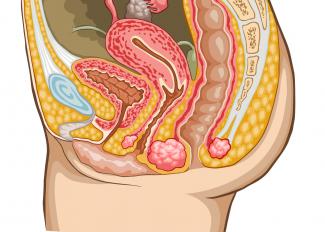
Anatomical Image of Ovaries in human body

With inputs from Dr. Chandan Dubey

What is it

If you have 2 or more of the following symptoms, you should get yourself checked by a gynaecologist to confirm or rule out Polycystic Ovarian Syndrome (PCOS): 

• Multiple small cysts in the ovaries

• Infrequent (more than 35 days) or absent periods due to eggs not releasing every month 

• High androgen features (facial and body hair, acne, abdominal fat, frontal balding)

PCOS and its impact 

PCOS may lead to acne, excessive hair growth, weight gain and problems with ovulation. The patient may have high blood pressure and deranged lipid levels, which can lead to health problems in the future.

Women with PCOS are at risk of diabetes in later life especially if they are obese, with a family history – so they need to check their blood sugar – Fasting Blood Glucose (FBG) or Oral Glucose Tolerance Test (OGTT).

What causes PCOS 

Exact cause of PCOS is not known. It may be caused by insulin resistance (also a causative factor for Type 2 diabetes), which causes ovarian dysfunction and inability of ovaries to release egg regularly. 

Genetic links have also been proposed.

Are you at risk?

Do you have:

  • Cycles longer than 35 days (oligomenorroea) or no periods at all (amenorrhoea - primary or secondary).
  • Overweight (BMI >25 kg/m2)
  • Central obesity or increased abdominal girth 
  • Family history of PCOS 
  • Acne
  • Type 2 diabetes and/or infertility 
  • Female relative with hirsutism or infertility 
  • Hyperinsulinemia (increase in insulin hormone level in the body) 

You may also have: 

  • Alopecia (frontal balding) 
  • Hypercholesterolemia 
  • Hypertension 
  • Elevated triglycerides 
  • History of difficulty in ovulation (ovulatory dysfunction)
  • Increase in androgen hormone levels – (Hyperandrogenism) 
  • Total testosterone >50 ug/dl (normal female <2.5 ng/dl) would need to rule out ovarian or adrenal tumour
  • Decrease in thyroid hormone level (Hypothyroidism) 

Can PCOS be prevented

You can control the symptoms by keeping weight under control through diet and exercise. That is the best preventive measure.

Symptoms

  • Multiple cysts
  • Infrequent (more than 35 days) or absent periods due to eggs not releasing every month 
  • High androgen features (facial and body hair, acne, abdominal fat, frontal balding)

What kind of screening tests should I have

Your gynaecologist will recommend tests based on your condition. You will have to:

  • Get PCOS confirmed or ruled out if you have the symptoms mentioned.
  • Have an annual FBG or OGTT test for those suspected of diabetes 
  • Have an annual gynaecology check-up

Treatment

The doctor may recommend the following: 

For lean without hyperinsulinemia

  • Low androgen activity oral contraceptive pills (OCP)

For obese and/or hyperinsulinemia or dyslipidemia treating with weight reduction

  • Drugs such as Metformin then OCP with low androgen activity therapy 
  • Ovulation drugs may be recommended
  • Family planning and psychological support are essential components. 

Follow-up care : The doctor may recommend the following check-ups: 

  • Menstrual calendar should be tracked
  • If you are a diabetic, all the related check-ups as mentioned in the diabetes overview
  • Preconceptual planning 
  • Psychological support 
  • Depression screening
Changed
04/Mar/2018

Stories

  • Stock pic of a young woman fainting and the text overlay When to take fainting seriously
    When Should You Take Fainting Seriously
    Unconsciousness or fainting is an occurrence that we are all familiar with. It is usually a symptom of an underlying medical issue. Here the PatientsEngage team helps you understand the many causes of fainting and when to see a doctor. Unconsciousness is like a switch turning off, and most people know this as something far more familiar called fainting. When someone faints, the brain temporarily receives less blood than it needs, leading to a brief loss of awareness to their surroundings.…
  • Stock pic of diabetes monitoring tests and text overlay on blue strip Which Diabetes Tests are Really needed?
    Diabetes tests: what you really need (and what you can skip)
    The constant barrage of tests for diabetes diagnosis and management can feel overwhelming. And new ones keep popping up. Dr. Shital Patel explains the role and utility of each of the tests  If you are living with diabetes, you have had a lot of blood tests, check-ups, and screenings. It can feel overwhelming trying to keep track of what all these tests mean and which ones are truly important for your health. You may often see new tests being added in testing packages or mentioned in…
  • Stock pic of a person with a CGM sensor on one arm and holding a mobile with the other. Text overlay Continuous Glucose Monitoring
    Should I Use Continuous Glucose Monitoring (CGM)?
    The use of Continuous Glucose Monitor is increasing. The PatientsEngage team has put together useful information that explains the basics of CGM, who it is meant for, what you can expect, how to interpret the data and more. What Is Continuous Glucose Monitoring (CGM)? With India fast moving towards becoming the Diabetes capital, newer monitoring techniques for blood sugar have come into play. The Continuous Glucose Monitor or CGM, as its commonly known as, is a wearable sensor that measure…
  • Pic of a woman in dance outfit and text on thumbnail Personal Voice Diabetes Management
    नृत्य और संतुलित आहार - मधुमेह के प्रबंधन के मेरे दो स्तम्भ
    59 वर्षीया संगीता इस लेख में अपना अनुभव साझा करते हुए बताती हैं कि कैसे नृत्य और संतुलित आहार को एकीकृत करके उन्हें अपने रक्त शर्करा के स्तर को नियंत्रित करने में मदद मिली। वे इस बात पर भी जोर देती हैं कि कौन कौन से उपचार का तरीका आपके शरीर के लिए उपयुक्त है, यह सोचना जरूरी है, और इस के लिए जरूरत हो तो डॉक्टर बदलना सामान्य माना जाना चाहिए। कृपया मधुमेह के निदान को प्राप्त करने की अपनी यात्रा के बारे में बताएं। 2002 में, 36 साल की उम्र में गर्भावस्था की दूसरी तिमाही के दौरान मुझे गर्भावधि…
  • An elderly Indian couple holding a red umbrella walking in the rain and the text overlay on blue strip Health of Older Adults in Monsoon
    Managing Older Adults Health In Rainy Season
    As we age, our immunity and ability to withstand infections decline. This makes us more vulnerable to infections. The monsoon season particularly adds to the risk of falls due to slippery surfaces, diseases like dengue and malaria from mosquito bites, diarrhea and also aggravation of respiratory conditions like asthma and bronchitis. Here are a few conditions to watch out for and how to manage our health during the rainy season: Food and Waterborne Diseases Monsoons are associated with a lot of…
  • Pic of a woman in dance outfit and text on thumbnail Personal Voice Diabetes Management
    Managing Diabetes With 2Ds - Dance And Diet
    Sangeeta, 59, shares her experience on how integrating dance and a balanced diet effectively helped her manage blood sugar levels. She also highlights that it is important to consider which treatment suits your body, hence changing doctors should be considered normal Please share your journey with the diagnosis of diabetes. In 2002, I was diagnosed with gestational diabetes during my second trimester at the age of 36. Following my doctor’s recommendations, I took the necessary precautions and…
  • An elderly man on the floor, being assisted by a woman, with his cane on the floor next to him and hindi text overlay on blue strip वृद्धों में गिरने के कारण
    वृद्धों में गिरने के कारण
    विश्वभर की आबादी में वृद्धों का अनुपात अन्य आय-वर्गों के मुकाबले बढ़ रहा है। गिरने के हादसे और उससे जुड़ी चोटें और रुग्णता बढ़ रहे हैं और यह विश्व स्तर पर एक महत्वपूर्ण चुनौती है। बुजुर्गों में गिरने के कारणों को जानने से इस समस्या की संभावना को कम करने के लिए उचित जागरूकता बढ़ाई जा सकती है। इसकी रोकथाम के लिए कदम लेने में सहायता मिल सकती है। आइए इस लेख में बुजुर्गों के गिरने के कारणों के बारे में अधिक जानें । जेरिएट्रिक मेडिसिन क्षेत्र के दिग्गज प्रोफेसर बर्नार्ड इसाक ने कहा है,  'एक…
  • A panel with the title PCOS, Obesity and Fertility and showing three women
    PCOS, Obesity and Fertility
    Dr. Sheela Nambiar – ObGyn. Lifestyle Medicine Physician, Dr. Usha Sriram – Endocrinologist, Anjali Uthup Kurian – Radio Jockey and PCOS warrior spoke with PatientsEngage on PCOS (Polycystic Ovary Syndrome) and its effect on Fertility and Obesity.   What is PCOS and what are its typical symptoms? PCOS, or Polycystic Ovary Syndrome, is a hormonal disorder predominantly affecting women of reproductive age, typically between 15 to 49 years old. However, its impact can extend throughout a…
  • An elderly man on the floor, being assisted by a woman, with his cane on the floor next to him and text overlay on blue strip Causes of Falls in Elderly
    Causes of Falls in Older Adults
    The demographic of the world's population is shifting towards older age groups. The prevalence of falls and associated injuries and morbidity is on the rise, posing a significant global challenge. Knowing the causes of falls in elderly can help create awareness and aid prevention. Let’s find out a bit more about the causes of falls in elderly.  Professor Bernard Isaacs, a giant in geriatric medicine said, ‘It takes a child one year to acquire independent movement and ten years to acquire…
  • Pic of the author Marianne holding her book and the text My CGM experience on the side
    CGM with an Active Lifestyle
    Marianne de Nazareth who has lived with and managed diabetes for a long time, decided to try out the latest technology for diabetes management, the CGM or Continuous Glucose Monitor. She shares her experience here.  So here I was enjoying the company of 10 other writers in the friend's home one evening, when I noticed one of them kept touching her arm with her phone and only then agreeing to a drink or indulge in a snack. She told me - a person with long term diabetes about Continuous…