
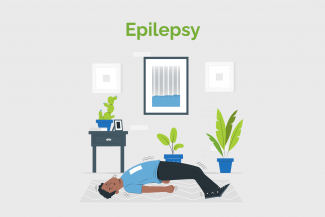
Epilepsy is a chronic disorder marked by recurrent, unprovoked seizures. Many people with epilepsy have more than one type of seizure and may have other symptoms of neurological problems as well. According to WHO, it affects 50 million people worldwide. 75% of the people with epilepsy in low and middle income countries do not get treatment for Epilepsy

Epilepsy can be treated.
1) Medication
Generally doctors begin the treatment for epilepsy with medication. If the patient is not responding to medications, doctors may advise surgery. Many drugs are available to treat epilepsy and the choice of drug is based on the factors specific to patient. Medications used to treat epilepsy include:
- Carbamazepine (Tegretol or Carbatrol)
- Diazepam (Valium)
- Eslicarbazepine (Aptiom)
- Felbamate (Felbatol)
- Ethosuximide (Zarontin)
- Lacosamide (Vimpat)
- Lamotrigine (Lamictal)
- Levetiracetam (Keppra)
- Phenytoin (Dilantin)
- Pregabalin (Lyrica)
- Primidone (Mysoline)
- Topiramate (Topamax)
- Zonisamide (Zonegran)
This choice of drug is mostly based on factors such as patient’s tolerance of side effects, other illness he or she might have and delivery method of medicines.
2) Surgery
- Surgery is safe and effective and is the treatment of choice when drugs do not work
- Multidisciplinary evaluation is required by a neurologist specialized in epilepsy (epileptologist).
- A patient’s eligibility for surgery is determined by a neurosurgeon, neuroradiologist, neuropsychologist, social worker and epileptologist.
- Final decision to have the surgery is made jointly by patient and epileptologist after carefully reviewing the risks and benefits of surgical procedure.
Changed
05/Feb/2025
Community
Condition