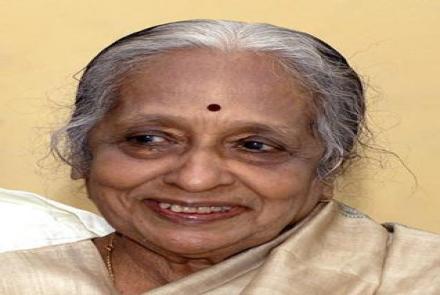

Choo Mei Sze from Kuala Lumpur, Malaysia surprised doctors with her condition and then even more with her fighting spirit. The TV host/columnist/blogger/emcee shares her tips for coming back stronger than ever.
Please tell us a bit about your condition.
I had stage 1b/2 colon cancer. The tumour was 1/3 the size of my colon and I had to remove 2/3 of my rectum and 12 cm of my colon, total of 18 lymph nodes. I had complications during the surgery as I had low blood…
कैंसर रोगी और उत्तरजीवी (सर्वाईवर) यात्रा कर सकते हैं, पर उन्हें कुछ ख़ास बातों का ख़याल रखना चाहिए। इस लेख में इस के लिए डॉ. शीतल पटेल से कुछ सुझाव हैं और उर्वी सबनीस, नंदिता मुरलीधर और मोना चौधरी (सभी कैंसर उत्तरजीवी / सर्वाईवर) का बहुमूल्य योगदान भी शामिल है।
कैंसर रोगी को किसी भी यात्रा को शुरू करने से पहले अपने डॉक्टर की सहमति ज़रूर प्राप्त कर लेनी चाहिए। यात्रा का कार्यक्रम ऐसा बनाएं ताकि आप यात्रा के कारण अपने किसी भी टेस्ट या फॉलो-उप अपॉइंटमेंट से न चूकें। यात्रा करने के लिए ध्यान रहे कि आप फिट और स्वस्थ महसूस कर रहे हों। छोटी यात्राओं के साथ शुरुआत करें। अकेली यात्रा तभी करें जब आप शारीरिक रूप से ठीक महसूस कर रहे हैं।
यदि आप अकेले, बिना किसी साथी के यात्रा कर रहे हैं, तो पहले से ठीक योजना बनाएं और ठहरने की बुकिंग ऐसे करें ताकि आपको किसी एकांत, निर्जन जगह में न रहना हो।
यदि आप किसी ऊंचाई वाले स्थान पर जा रहे हैं, तो ध्यान रहे कि आप यात्रा से पहले वाली रात अच्छी तरह पानी पियें, और ऐसी अच्छी तरह से पानी पीने की क्रिया अपनी पूरी यात्रा के दौरान जारी रखें। ऐसा करने से “हाई आल्टिट्यूट सिकनेस” (अधिक ऊंचाई के कारण हुई बीमारी) से निपटने में मदद मिलती है। यदि आप थोड़ा भी विचलित महसूस करना शुरू करें, तो तुरंत कम ऊंचाई वाली जगह पर जाएं।
हमने कुछ कैंसर रोगियों से यात्रा के दौरान ध्यान रखने योग्य बातों के बारे में बात की। नीचे पेश है उनकी सलाह।
पेय
पानी सबसे अच्छा पेय है! खुद को हाइड्रेट रखें। बार-बार पानी मांगें... प्यास महसूस करने का इंतजार न करें। पानी की एक बोतल हमेशा अपने पास रखें ताकि उस से नियमित रूप से घूँट ले सकें। आदर्श रूप से, उबला हुआ पानी पीना सबसे अच्छा है क्योंकि उबालने पर पानी में मौजूद सभी सूक्ष्म जीव मर जाते हैं। यदि उबला हुआ पानी उपलब्ध नहीं है, तो केवल बोतलबंद पानी लें और सुनिश्चित करें कि यह किसी प्रतिष्ठित ब्रांड का है और आपको ठीक से सील की हुई बोतल मिली है।
पानी के अलावा, ऐसे गर्म पेय (चाय, कॉफी, गरम चॉकलेट आदि) चुनें जो उबले हुए हों ताकि वे अधिक सुरक्षित हों। ताजे फलों के रस से बचें क्योंकि अगर फल अच्छी तरह से नहीं धोए गए हों तो उनका रस गैस्ट्रोइंटेस्टाइनल इन्फेक्शन (पेट में संक्रमण) का कारण बन सकते हैं। लस्सी या छाछ पौष्टिक पेय हैं, पर ध्यान रहे ये किसी साफ़, भरोसेमंद जगह से लिए गए हों।
ध्यान रखें कि पैकेज्ड ड्रिंक्स में बहुत अधिक मात्रा में छिपी हुई चीनी और कैलोरी होती है।
भोजन
यात्रा के दौरान सिर्फ किसी साफ़-सुथरे होटल से ताजा पका हुआ गर्म भोजन ही खाएं। सड़क के किनारे वाले या कच्चे या बिना पके खाद्य पदार्थ से बचें - जैसे फल या सब्जी का सलाद, सुशी आदि - ऐसे खाद्य पदार्थ दूषित हो सकते हैं। सभी फलों को खाने से पहले अच्छी तरह से ज़रूर धो लें। चूंकि कैंसर वाले व्यक्ति की प्रतिरक्षा प्रणाली कमज़ोर होती है, व्यक्ति को संक्रमण का अधिक ख़तरा होता है - इसलिए यदि संभव हो तो घर का बना खाना साथ रखें ताकि बाहर का खाना न लेना पड़े।
यदि आप किसी होटल में ठहरे हैं, तो कोई ऐसी स्थानीय सुपरमार्केट खोजें जहाँ आप आसानी से नाश्ते के लिए फल और खाद्य पदार्थ खरीद सकें। इस तरह आप उन खाद्य पदार्थों का सेवन कर सकते हैं जिन्हें बाहर खाना शायद सुरक्षित न हो - जैसे कि दही, दूध, अपनी पसंद के फल - और आप जल्दी से सैंडविच या सलाद भी बना सकते हैं।
याद रखें कि पैकेज्ड फूड में मौजूद नमक, चीनी और वसा अधिक हो सकता है, इसलिए लेबल को ध्यान से पढ़ें।
अगर आपको मधुमेह भी है तो कृपया अपने हैंडबैग में हमेशा कोई टॉफ़ी या अन्य मीठी चीज़ जरूर रखें। यात्रा के दौरान रक्त शर्करा का बहुत कम होना उसके बढ़ जाने से अधिक खतरनाक होता है।
Related Reading: Diabetes and Travel
धूप से सुरक्षा
सूरज की सीधी किरणों से खुद को बचाने के लिए धूप में निकलते समय छतरी, टोपी या दुपट्टे का इस्तेमाल करें। कैंसर थेरेपी के बाद, बालों का झड़ना और त्वचा की प्रतिक्रियाएं आम दुष्प्रभाव हैं और ये धूप में अधिक बिगड़ सकते हैं। यात्रा बुक करने से पहले मौसम कैसा होगा, यह पता चला लें, ताकि आप उसके अनुसार सामान बाँध सकें।
यदि आपको कीमो के कारण परिधीय न्यूरोपैथी (कीमो इंड्यूस्ड पेरिफेरल न्यूरोपैथी) है, तो आपको मौसम परिवर्तन के लिए तैयार रहने की आवश्यकता हो सकती है - विशेष रूप से हवा और ठंड। मोज़े, दस्ताने और अतिरिक्त ऊनी कपड़े अपने साथ ज़रूर रखें।
आवश्यक सहायक उपकरण
ऐसी सभी चीज़ें जरूर साथ रखें जिनकी आपको अपनी विशेष आवश्यकताओं के लिए जरूरत हो सकती है। कुछ कैंसर रोगियों के पास कुछ ऐसे विशिष्ट उपकरण हो सकते हैं जो आसानी से उपलब्ध नहीं होते हैं। अच्छा होगा यदि आप रोजमर्रा और इमरजेंसी के लिए जरूरी उपकरणों की सूची बनाएं और इन्हें अपने सामान में पैक करें। यदि आप किसी कृत्रिम अंग का उपयोग कर रहे हैं, तो उसके आवश्यक सफाई उत्पाद जरूर रखें और हो सके तो रिप्लेसमेंट के लिए अतिरिक्त जोड़े भी साथ रखें। यदि आप किसी विशेष उत्पाद का उपयोग कर रहे हैं, तो उसके अतिरिक्त उत्पाद भी लें या उत्पाद का बड़ा पैक ले जाएं ताकि यात्रा के दौरान उत्पाद ख़त्म न हो।
यदि स्तन कैंसर के कारण आपके नोड हटा दिए गए हैं, तो हवाई यात्रा करते समय कम्प्रेशन गारमेंट (संपीड़न परिधान) पहनें। यदि ओवेरियन (डिम्बग्रंथि) कैंसर के कारण आपके नोड्स हटा दिए गए हैं, तो हवाई यात्रा करते समय अच्छी गुणवत्ता वाले कम्प्रेशन स्टॉकिंग्स पहनें। इससे लिम्फेडेमा होने का खतरा कम होगा।
यदि आपको चलने-फिरने के लिए किसी प्रकार के सहायक उपकरण की आवश्यकता है (जैसे कि छड़ी, व्हीलचेयर, विशेष जूते आदि) तो सुनिश्चित करें कि आपने अपने एयरलाइंस, ट्रेन, बस आदि को पहले से इस के बारे में सूचित किया है। कुछ जगहों पर ज्यादा लम्बा चलने की जरूरत हो सकती है - जैसे हवाई अड्डे, मॉल, पर्यटन क्षेत्र, पार्क इत्यादि। ऐसे में आप अपनी व्हीलचेयर साथ ले जाएँ या वहां व्हीलचेयर मांगें। व्हीलचेयर मांगने में संकोच न करें। थक जाने पर बैठ जाएँ। चप्पल या सैंडल के बजाय आरामदायक जूते पहनें। अपने स्वास्थ्य से समझौता न करें, चाहे आप एक दो पर्यटक स्थल न जा पायें।
दवाएं
यात्रा की पूरी अवधि के लिए अपनी सभी दवाएं साथ ले जाएँ, साथ ही कुछ अतिरिक्त दवा भी रखें ताकि अगर यात्रा की अवधि खिंच जाए और अधिक दिन बाहर रहना पड़े तब भी आपके पास दवा उपलब्ध हो। अपने नुस्खे की एक प्रति साथ जरूर रखें ताकि आप वहां दवा खरीद सकें। रोज के निर्धारित दवाओं (सप्लीमेंट्स सहित) के साथ, ऐसी दवाएं भी ले जाएं जिनकी आपको साइड-इफ़ेक्ट (दुष्प्रभाव) के लिए जरूरत हो सकती है - जैसे कि उल्टी, मतली, त्वचा की संवेदनशीलता, दस्त, कमजोरी, नींद न आना, दर्द, पेट खराब होने के लिए दवाएं ।
स्वच्छता
अपने पास हर समय सैनिटाइजर रखें और इसका भरपूर इस्तेमाल करें। भोजन से पहले और सतहों के संपर्क में आने के बाद जब भी संभव हो अपने हाथों को साबुन और पानी से धोएं। पानी न मिले तो दरवाजे के हैंडल, व्यक्तिगत सामान आदि को साफ करने के लिए वेट वाइप्स बहुत अच्छे होते हैं।
इमरजेंसी किट (आपातकाल के लिए)
इमरजेंसी के लिए तैयार रहें! अपनी दवाओं की सूची, इलाज करने वाले डॉक्टर के नाम और आपातकाल के लिए संपर्क सूची (जिसमें करीबी रिश्तेदार आदि का नाम और फ़ोन नंबर हों), और एक फर्स्ट ऐड किट (प्राथमिक चिकित्सा किट) हमेशा अपने साथ रखें। एक छोटे कार्ड पर अपना नाम, ब्लड ग्रुप, संपर्क और परिजनों के नंबर लिखें और इसे अपने बैग पर छिपाएं या खुद जेब या पर्स में रखें ताकि यह हमेशा आसान से मिल पाए। महत्वपूर्ण कागजों की जेरोक्स कॉपी के सेट अपने हर सूटकेस/ बैग में हमेशा रखें।
किसी नए शहर में जा रहे हों तो अपने ठहरने की जगह के आस-पास के अस्पतालों और इमरजेंसी क्लीनिकों का पता चला लें। अपने मेजबान को अपनी ऐसी सभी एलर्जी और अन्य मुद्दों के बारे में सूचित करें जिनके कारण आपको तत्काल डॉक्टर या अस्पताल की आवश्यकता पड़ सकती है। अपने प्रियजनों से संपर्क बनाए रखें और यात्रा के प्लान में किसी भी बदलाव के बारे में उन्हें तुरंत बताते रहें।
यदि आप कोई अन्य सुझाव है साझा करना चाहते हैं, तो हम से इस लिंक द्वारा संपर्क करें
Changed
07/Jul/2023
Community
Condition