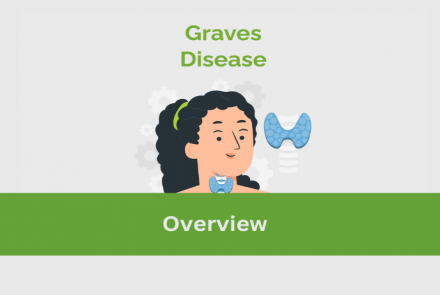
What is Graves' disease?
Graves' disease is an autoimmune disorder that causes the thyroid gland to become overactive. This is one kind of hyperthyroidism.
An autoimmune disorder causes the body’s immune system to mistakenly attack the body’s own cells instead of protecting them from outside invaders.
In Graves’ disease, the body’s immune system secretes immunoglobulins (autoantibodies) against the thyroid gland. These immunoglobulins irritate the thyroid gland and make it produce more thyroid…

Latest Stories
 Managing Chronic Kidney Disease Chronic kidney disease brings a markedly increased risk of cardiovascular disease, which is a more common cause of death in these patients than renal failure. These patients often have other risk factors for heart disease, such as hyperlipidemia (increased lipid levels in blood). Kidney Friendly Diet A healthy diet can help slow the progression of CKD, control blood pressure, reduce swelling, and support your overall health. Your diet should be tailored to…
 Can Chronic Kidney Disease (CKD) be prevented: The following may reduce your risk of developing or worsening CKD: Stop smoking and drinking alcohol Eat a balanced diet – avoid eating high cholesterol foods Exercise regularly Avoid usage of unprescribed medicine e.g. NSAIDs (pain killers) and abuse of antibiotics Manage your diabetes well Control your blood pressure
 Different stages of Chronic Kidney Disease(CKD) Stage 1: The eGFR (estimated GFR) shows normal kidney function but you have some pre-existing kidney damage or disease. eGFR is 90 or more ml/min/1.73m2. This is the first stage of CKD. Stage 2: Mildly reduced kidney function and you are already known to have some kidney damage or disease with eGFR between 60 to 89 ml/min/1.73m2 Stage 3: Moderately reduced kidney function (with or without a known kidney disease. For example, an elderly…
 What causes Chronic Kidney Disease (CKD) Diabetes mellitus (an increase in blood sugar level) raises the risk of developing CKD. Hypertension (high blood pressure), if poorly controlled, can lead to CKD. CKD can also cause high blood pressure. Diabetes and hypertension together are responsible for two-thirds of cases of CKD. Glomerulonephritis, a group of diseases that cause inflammation and damage to the kidney's filtering units. These disorders are the third most common type of kidney…
 Tests for Chronic kidney disease Doctors use the CGA system to understand how severe CKD is and to decide the best treatment. It looks at three things: C – Cause: What is causing the kidney disease (for example, diabetes or high blood pressure)? G – GFR (Glomerular Filtration Rate): A blood test that shows how well your kidneys are filtering waste from your blood. A normal GFR is usually 90 or higher, although it naturally decreases with age. A – Albuminuria: A urine test that checks whether…
 Your doctor may suggest the following treatments for CKD: Treatment for CKD depends on the cause, stage, and severity of the disease. The goals are to slow kidney damage, manage symptoms, prevent complications, and reduce the risk of heart disease and kidney failure. The Four Pillars of CKD Treatment The latest KDIGO (Kidney Disease: Improving Global Outcomes) guidelines recommend a "Four Pillars of Therapy" approach. Unlike the past, when treatment focused mainly on controlling blood pressure…
 Symptoms of Chronic Kidney Disease Initially there are no specific symptoms and Chronic Kidney Disease is generally only detected as an increase in serum creatinine or protein in the urine. As kidney function decreases, you may have the following symptoms of CKD: Feel more tired and have less energy Have trouble concentrating Have poor appetite Have trouble sleeping Have muscle cramping at night Have swollen feet and ankles Have puffiness around your eyes, especially in the morning Have dry,…
 Managing Graves’ disease The most important thing is to receive the necessary medical care. After you and your doctor have decided on a course of action, there are some things you can do that will help you cope with the condition and support your body during its healing process. Get regular exercise: Exercise in general will help you feel better and improve your muscle tone and cardiovascular system. Brittle bones can occur with Graves' disease and weight-bearing exercises help maintain bone…