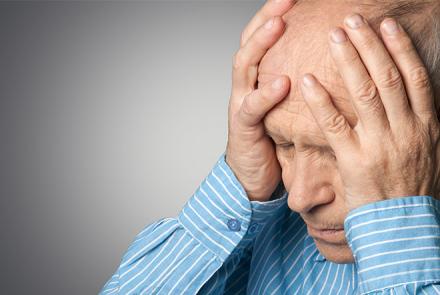
• A person in a blue full sleeved shirt holding his head indicating a brain stroke
    Post-Stroke Depression Is Common
    But often overlooked, says Porrselvi A.P. a cognitive and psychosocial interventions specialist. Here, she offers a case study and practical strategies to guide you back to normal life.   The patient: Mrs. K, a 67-year-old woman had a stroke in the left side of her brain in September last year.  Her condition: Mrs K was referred for cognitive and psychological evaluation following complaints of social withdrawal, memory disturbances and increased irritability…
  • Profile picture of red haired Cindy in a red shirt and black jacket
    Yoga helped me when I developed Guillain-Barré Syndrome
    Says Cindy Payne, who fought against the nerve-damaging autoimmune condition with yoga. I took my first yoga lesson in 1997 more out of curiosity than anything else, since yoga was not yet popular in Singapore. In 2001, I began to study Iyengar Yoga more seriously. When I first started taking lessons, I was primarily focused on the physical part of the practice – seeking to counter all the running I had been doing for 25 years, plus juggling owning a boutique marketing-…
  • Stroke Management
    In addition to Treatment and Rehabilitation, the following aspects are equally important Nutrition  Eat like a Mediterranean (fresh fruits and vegetables, whole grain foods, lean meats and poultry, fatty fish once or twice a week)  Cut fat intake Limit your alcohol consumption Limit salt intake. Exercise Make exercise a habit as soon as the doctor gives you the go-ahead. Exercise at least 30-40 minutes every day. Exercise will help you maintain an ideal weight and…
  • Tests for Stroke
    What tests do you need to have done? Stroke is a medical emergency, and anyone suspected of having a stroke should be taken to hospital immediately (delay affects rehab) so that tests can be done and the correct treatment provided as quickly as possible. Tests include: Physical examination and tests like a blood pressure test, blood tests to check cholesterol levels and blood sugar levels.  Ultrasound - a wand waved over the neck can provide a picture that shows whether there is any…
  • Types of Stroke
    Different types of Stroke are: Thrombotic stroke: This kind of stroke occurs when blood flow to the brain is blocked by a blood clot in a blood vessel.  Embolic stroke: This is caused when a travelling particle like fat, air, cancer cells or clump of bacteria in the blood stream blocks a blood vessel in the brain. Haemorrhagic stroke: This is caused by a breakage or rupture of a blood vessel in the brain leading to bleeding within the brain.  Silent stroke: This does not have any…
  • Stroke Symptoms and Signs
    Here are some of the general symptoms noticed in a stroke: Sudden-onset face weakness Arm drift (ie, if a person, when asked to raise both arms, involuntarily lets one arm drift downwards)  Abnormal speech Some symptoms depend upon the part of brain involved. If the brain stem (the part that joins the brain to the spine) is affected, it may result in the following: Altered smell, taste, hearing or vision (total or partial) Drooping of eyelid and weakness of eye muscles Decreased…
  • Stroke Prevention
    Can it be prevented? You can lower your risk of getting a stroke by doing the following: Control and reduce high blood pressure Avoid fatty foods Avoid high carbohydrate intake Do not smoke tobacco Control your diabetes Stay active Manage your heart
  • Causes of Stroke and Risks
    What causes a stroke?  • Lack of blood flow caused by a blockage, such as a blood clot, in the blood vessel  • Internal bleeding in the blood vessels in the brain Are you at the risk of getting a stroke? Stroke can occur at any age. So, it doesn’t just affect the elderly. However, the chances of stroke do increase in a person who has certain risk factors. Stroke is known to have multiple factors that can increase risk, but most of these factors can be treated and medically managed.…
  • Healing the mind after a stroke
    How stroke affects understanding and behaviour and how to regain lost ground. By Porrselvi A.P. a cognitive and psychosocial interventions specialist What happens in a stroke Stroke or Cerebro Vascular Accident (CVA) happens when there is either a block in the supply of blood to an area of the brain or when there is bleeding within the brain tissue. When this happens, areas of the brain do not receive sufficient amount of blood and nutrients they require and are damaged.…
  • Chronic Fatigue Syndrome Causes Risk Factors
    Chronic Fatigue Syndrome Causes and Risks
    The cause of chronic fatigue syndrome is unknown, although there are many theories. In some cases, CFS seems to follow a viral illness, major physical or emotional trauma or exposure to toxins. Other theories point to the immune system, glands and hormones, and family history. Some believe it might be triggered by a combination of factors. Risk Factors: Tends to affect people in their 40s and 50s Women are more likely to be diagnosed with CFS Stress seems to be a risk factor
Query received: My father had a brain fits on 16th July. we hospitalized him immediately. then he had brain stroke. after he became little stable by medications. we got him discharged. at home suffered from pneumonia & again he got…
I have Parkinson's disease for last 4 years. I was  on Syndopa Plus(4 times) and and pramipexole (0.25 4 times) for long. But Off late I am  finding medication less effective with  pain, muscle rigidity and body heaviness unbearable.…
Why faced vertigo during laying down or up right moving. Remedy for it?
A case in Singapore is a good reminder of how details of "herbal" supplements should also be shared with your surgeon. In this case, it appears to have had fatal impact.  https://www.straitstimes.com/singapore/courts-crime/cordyceps-likely-led-…
I am prone to headaches. Heat, stress, tiredness can set it off. How do I know if it is just a headache or migraine? And can I do anything to get relief other than taking painkillers?
Do you know anyone with Parkinson's? L-DOPA (Living with Dignity fOr People with pArkinson's) is an initiative which works to raise awareness and support people with Parkinson's and their caregivers. L-DOPA will help people with Parkinson's receive…
You want your elderly parent to be independent. But what if they are getting absent minded and you fear they may get lost. I have heard that people with Alzheimers or dementia sometimes wander out of the house, even at night. Is that true? What can…
http://www.upworthy.com/the-last-ice-bucket-challenge-you-need-to-see-a…
No content found

Latest Communities