
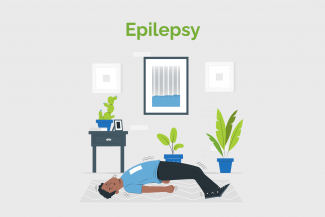
Epilepsy is a chronic disorder marked by recurrent, unprovoked seizures. Many people with epilepsy have more than one type of seizure and may have other symptoms of neurological problems as well. According to WHO, it affects 50 million people worldwide. 75% of the people with epilepsy in low and middle income countries do not get treatment for Epilepsy

How is Epilepsy Diagnosed?
Medical History
- A complete physical examination.
Neurological examination
- Complete neurological examination to rule out behavioral modifications, change in mental function, motor abilities etc.
Laboratory tests for Epilepsy
- Blood tests : Blood sample will be collected to check for signs of infection, genetic conditions etc.
- Electroencephalogram (EEG) : Routinely used diagnostic test which measures electrical impulses in the brain. This test helps in diagnosing and determining the type of epilepsy.
- Magnetic resonance imaging (MRI) : It records lesions or abnormalities that are causing seizures in your brain.
- Functional MRI : It measures the changes in blood flow that occur when specific parts of your brain are working.
- Positron emission tomography (PET) : It visualizes active areas of the brain and detects abnormalities.
- Single photon emission computerized tomography (SPECT) : This test is done when an MRI & EEG is unable to pinpoint the brain location where seizures are originating.
- Neuropsychological tests : Doctor assesses your thinking, speech and memory skills.
Changed
05/Feb/2025
Community
Condition