
Asok Mitra, 80, used to smoke almost 100 cigarettes a day. He has been smoke-free for 40 years, but tobacco has taken its toll. He tells us why and how he quit.
1. Please tell us a bit about your condition.
I am prone to chest infections and pneumonia. My lungs are impaired and do not work at optimum capacity. Years ago, I was told that my lungs were working at 70% of their capacity.
2. How long have you been suffering from this?
This has been the situation for at…
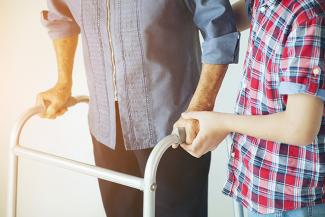
वजन का बेवजह घटना, याददाश्त की समस्याएँ, कमजोरी और गहरी थकान जैसे लक्षणों को "सामान्य उम्र बढ़ने" की प्रक्रिया न समझें - ये किसी गंभीर समस्या का संकेत हो सकते हैं । इस लेख में डॉ शीतल रावल ऐसे 12 लक्षणों के बारे में बता रही हैं जो बुजुर्गों में अकसर पाए जाते हैं पर जिन्हें अनदेखा करने के बजाय आपको डॉक्टर की राय लेनी चाहिए।
वही लक्षण जो एक युवा व्यक्ति में एक कारण से हो सकते हैं वे बुजुर्गों में दूसरे कारणों से हो सकते हैं। युवा व्यक्ति में शायद वे इतने गंभीर न हों, पर बुज़ुर्ग में वे किसी गंभीर बीमारी की ओर संकेत कर सकते हैं। बुजुर्गों में अकसर कई चिरकालिक पुरानी बीमारियाँ पहले से मौजूद होती हैं, चोटें होती हैं, उनमें उम्र की वजह से शारीरिक परिवर्तन होते हैं। इन सब के कारण कभी-कभी उनमें अन्य गंभीर लक्षण स्पष्ट प्रकट नहीं होते या इतने गंभीर नहीं लगते । यदि इन लक्षणों को नजरंदाज करें, इनकी सही जांच न करें, तो इनको पैदा करने वाली बीमारियों का इलाज नहीं होता और इन से व्यक्ति के स्वास्थ्य पर गंभीर या घातक परिणाम हो सकते हैं। इसलिए यह जरूरी है कि इन अस्पष्ट चेतावनी संकेतों पर ध्यान दिया जाए, इनके वास्तविक कारणों की पहचान हो, और तुरंत उचित कदम लिए जाएँ।
Read in English: 12 Confusing and Overlapping Symptoms in the Elderly
- अचानक होने वाला संभ्रम (कन्फ्यूजन) या प्रलाप (डेलिरियम): यह कई कारणों से हो सकता है जैसे स्ट्रोक, लो ब्लड शुगर लेवल (रक्त शर्करा का स्तर कम होना), डिहाइड्रेशन (निर्जलीकरण, तरल पदार्थ कम लेने से), सिर पर चोट, किसी दवा का साइड-इफ़ेक्ट आदि। डिहाइड्रेशन के कारण इलेक्ट्रोलाइट असंतुलन हो सकता है, खासकर जब यह डिहाइड्रेशन उल्टी या दस्त के कारण हो। ऐसे मामलों में, सिर्फ सादा पानी लेना पर्याप्त नहीं है। आपको पानी में ओरल रिहाइड्रेशन साल्ट (O.R.S) या नमक और चीनी मिलाना होगा। हाल में यह पहचाना गया है कि यूटीआई (मूत्र पथ संक्रमण) बुजुर्गों में भ्रम के सबसे आम कारणों में से एक है। डिलेरियम अकसर बीमारी में या अस्पताल में भर्ती होने के दौरान या रिकवरी चरण में होता है। यह अस्पताल में भर्ती 65 वर्ष से अधिक आयु वालों में सबसे आम जटिलता (कौम्प्लिकशन) है। यदि इसका उपचार न करा जाए तो स्वास्थ्य फिर से ठीक नहीं हो पायेगी और मृत्यु की संभावना अधिक होगी।
- सामान्यीकृत (जेनरलाइज़्ड) पेट दर्द: यह अनेक पेट संबंधी कारणों से हो सकता है और यह तीव्र, उप-तीव्र या क्रोनिक (चिरकालिक) हो सकता है। कारणों में मौजूद हैं: एपेंडिसाइटिस, हर्निया, अल्सर, यकृत (लीवर) या अग्नाशय ( पैन्क्रीआ) की समस्याएँ, गैस्ट्रिक सिस्टम में बाधा आदि। यह दर्द अधिक गंभीर बीमारी के कारण भी हो सकता है, जैसे कि कोलन का कैंसर । सही निदान तक पहुँचने के लिए व्यक्ति की संपूर्ण मेडिकल हिस्ट्री आवश्यक है।
- बिना कारण वजन कम होना: यह हमेशा चिंता का कारण होता है। “अवांछित वजन घटना” की परिभाषा है 6 से 12 महीनों के भीतर 5% से अधिक वजन घटना। बुजुर्गों में इसका सबसे आम कारण है कुपोषण। परन्तु यह ध्यान रखना जरूरी है कि कुपोषण तब भी मौजूद हो सकता है जब वजन स्पष्ट रूप से कम न हो। कुपोषण के कारणों की तलाश करते समय सामाजिक और मनोवैज्ञानिक कारकों - जैसे अवसाद और मदात्यय (शराब पर निर्भरता, अल्कोहलिज़्म) - को नजरअंदाज नहीं किया जाना चाहिए। कई बुज़ुर्ग अकेले रहते हैं और भोजन ठीक से नहीं करते - वे "चाय और टोस्ट" से ही गुजारा करते रहते हैं। वजन घटने के अन्य कारणों में शामिल हैं - गैस्ट्रोइंटेस्टाइनल समस्याएं, भोजन का स्वाद अनुभव न कर पाना, मितली, दांतों की समस्याएं, और गंभीर समस्या जैसे कि कैंसर। वजन घटने से कमजोरी महसूस होती है और दैनिक जीवन की जरूरी गतिविधियाँ कर पाने की क्षमता में गिरावट होती है। कम वजन वाले व्यक्तियों में गिरने, चोट लगने, हड्डी टूटने (फ्रैक्चर) और संक्रमण (इन्फेक्शन) के जोखिम अधिक होते हैं और उनकी इन तकलीफों से ठीक होने की क्षमता भी कम होती है, जिससे उनकी मृत्यु की संभावना बढ़ जाती है।
- याददाश्त में कमी: कुछ हद तक भूलने की समस्या उम्र बढ़ने का एक सामान्य पहलू है। भूलना चिंताजनक तब माना जाता है जब इस के कारण क्षमता घटने लगती है और व्यक्ति को दैनिक काम करने में, कार्यस्थल में और सामाजिक जीवन में दिक्कतें होने लगती हैं। ऐसी स्थिति में व्यक्ति का मनोभ्रंश (डिमेंशिया) के लिए मूल्यांकन किया जाना चाहिए। कुछ स्थितियों में याददाश्त की समस्या के कारण की सही पहचान से उचित उपचार करा जा सकता है, और लक्षण कम हो सकते हैं। कुछ ऐसे कारण जिन में उपचार से फायदा हो सकता है - सिर पर चोट, भावनात्मक कष्ट, शराब का अधिक सेवन, विटामिन बी 12 की कमी, मस्तिष्क में संक्रमण (इन्फेक्शन), कुछ दवाओं के साइड इफ़ेक्ट, हाइपोथायरायडिज्म आदि।
- सामान्य अस्वस्थता: यह भावनात्मक / शारीरिक रूप से अस्वस्थ और व्याकुल होने की भावना है। इस के कारण मनोवैज्ञानिक या शारीरिक हो सकते हैं- जैसे अवसाद, गहरी थकान (क्लान्ति), मूत्र या श्वसन पथ के संक्रमण (इन्फेक्शन) और यहां तक कि कैंसर। इसका मूल कारण अकसर क्रोनिक (चिरकालिक) होता है, उदाहरण - एनीमिया (अरक्तता), आर्थराइटिस (गठिया), फेफड़ों के रोग।
- गहरी थकान या आसानी से थक जाना: इसे अकसर अनदेखा करा जाता है और उपचार नहीं करा जाता। गहरी थकान के कारणों में मौजूद हैं: रक्त परिसंचरण और ऑक्सीजन की आपूर्ति में कमी (जैसे सीओपीडी, हृदय की समस्याएं), हार्मोनल सिस्टम का ठीक काम न करना (यह थायरॉयड असंतुलन, कुपोषण, मधुमेह आदि में देखा जा सकता है), वगैरह। यदि गहरी थकान लंबे समय से चली आ रही है और इसकी स्पष्ट वजह मालूम नहीं हो पायी है, तो इसका कारण चिरकालिक समस्याएं हो सकती है - जैसे कि एनीमिया (अरक्तता), नींद संबंधी समस्याएं, जोड़ों में दर्द और क्रोनिक थकान सिंड्रोम ।
- कब्ज: युवा वयस्कों की तुलना में बुजुर्गों में कब्ज पांच गुना अधिक पाया जाता है। कुछ कारण - कम फाइबर युक्त आहार, पानी/ तरल पदार्थों का सेवन कम होना, व्यायाम की कमी, लंबे समय तक बैड रेस्ट , आंत्र की समस्याएं, कुछ दवाओं का साइड इफ़ेक्ट, इत्यादि। कई चयापचयी (मेटाबोलिक) समस्याएं भी कब्ज पैदा कर सकती हैं। इनमें हृदय रोग, मधुमेह, हाइपोथायरायडिज्म, निम्न रक्त पोटेशियम, उच्च रक्त कैल्शियम, अति सक्रिय पैराथायराइड ग्रंथियां, तंत्रिका और मांसपेशियों के विकार आदि शामिल हैं। जुलाब के अधिक उपयोग से आंत्र सामान्य तरह से काम करना बंद कर सकते हैं और जुलाब पर निर्भरता हो सकती है ।
- जोड़ों के प्रतिवर्ती क्रिया (रिफ्लेक्स) असामान्य होना: यह मांसपेशियों, परिधीय (परिसरीय, पेरिफेरल) या रूट तंत्रिका या यहां तक कि स्पाइनल कार्ड (सुषुम्ना रज्जु )में क्षति का संकेत हो सकता है। रिफ्लेक्स परीक्षण संवेदी और मोटर मार्गों के कामकाज का आकलन करने का एक तरीका है। परिधीय न्यूरोपैथी अनुपस्थित रिफ्लेक्स का सबसे आम कारण है और यह अकसर मधुमेह के रोगियों में देखा जाता है। अपर्याप्त या अनुपस्थित रिफ्लेक्स लोअर और अपर मोटर न्यूरॉन डिसऑर्डर, थायरॉइड असंतुलन आदि के कारण भी हो सकते हैं। फुर्तीला या औसत से ज्यादा तेज रिफ्लेक्सिस अकसर हाइपोथायरायडिज्म, पार्किंसंस, मल्टीपल स्केलेरोसिस, एएलएस और यहां तक कि चिंता के कारण भी देखे जाते हैं।
- सिरदर्द: यह एक अन्य चुनौतीपूर्ण लक्षण है क्योंकि इसके अनेक संभव कारण हैं जो जटिल हो सकते हैं और बदलते भी रहते हैं। प्राथमिक बिनाइन (सुसाध्य) सिरदर्द के कारणों में माइग्रेन, तनाव, निर्जलीकरण आदि शामिल हैं। कई बीमारीयों में भी सिरदर्द एक लक्षण हो सकता है - जैसे कि हृदवाहिनी (कार्डियो-वैस्कुलर) बीमारियाँ, उच्च रक्तचाप (हाई बीपी), जायंट सेल आर्टेराइटिस, मस्तिष्क में लीश़न (घाव,) या मास (पिंड), सीओपीडी आदि। बुजुर्गों में सिरदर्द की समस्या को कुछ दवाओं के उचित से अधिक इस्तेमाल के साथ भी जोड़ा गया है, जैसे कि लम्बे अरसे से मौजूद दर्द के लिए बहुत ज्यादा दर्दनाशक दवाओं का इस्तेमाल।
- डिप्रेशन (अवसाद): यह उम्र बढ़ने का एक स्वाभाविक हिस्सा नहीं है! यदि कोई व्यक्ति अवसाद के लक्षण दिखा रहा है, तो इस पर ध्यान दिया जाना चाहिए। अवसाद के कारणों में शामिल हैं: हाइपोथायरायडिज्म, दवाओं के दुष्प्रभाव, पुरानी चिरकालिक बीमारियों, चिंता (ऐनग्जाईटी) और हार्मोनल असंतुलन। मनोभ्रंश (डिमेंशिया) और अवसाद में अंतर जानना और ठीक पहचान कर पाना जरूरी है। यदि व्यक्ति की मानसिक क्षमता में गिरावट शीघ्रता से हुई है और वे यह पहचान पा रहे हैं कि उन्हें याददाश्त की समस्या है और वे कंफ्यूस हो रहे हैं, तो शायद उन्हें अवसाद है, डिमेंशिया नहीं।
Click on the pic below to download a free E-book on managing challenging behavioural symptoms of dementia

- हृद-दाह (हार्टबर्न) या अम्लता (एसिडिटी) : आमतौर से इसके कारण हैं कुछ खाद्य पदार्थ और पेय पदार्थ, बहुत ज्यादा खाना, शराब का सेवन, तनाव और धूम्रपान। बुजुर्ग लोगों में हर्टबर्न का मूल्यांकन आवश्यक है- क्योंकि इसके अन्य कारण भी हो सकते हैं जैसे कि हायटल हर्निया या निचली ग्रासनली की अवरोधिनी (एसोफेजियल स्फिंक्टर) का कमजोर होना, क्योंकि ये आगे जाकर बैरेट्स ईसोफैगस या एसोफैगल कैंसर तक का कारण बन सकते हैं। अन्य स्थितियों में जो हार्टबर्न पैदा करती हैं उनमें शामिल हैं एनजाइना (सीने में दर्द), पित्ताशय की पथरी (गॉल्स्टोन), अल्सर, गैस्ट्रोपेरासिस (पेट का तंत्रिका का लक़वा/अंगघात), और फेफड़े या छाती गुहा में इन्फ्लामाशन (दाह, सूजन)\
- कमजोरी: यह मांसपेशियों की ताकत में कमी को संदर्भित करती है और एक मेडिकल समस्या का संकेत है। अचानक हुई कमजोरी के संभव कारण हैं - हृद्वाहिनी समस्या, तीव्र (एक्यूट) संक्रमण (इन्फेक्शन), न्यूरोपैथी या मांसपेशियों में दर्द। यदि कमजोरी पुरानी चली आ रही है या बीच-बीच में होती तो जांच करें कि इस का कारण क्या है - कुछ संभव कारण हैं मांसपेशियों की समस्या है, अवसाद, चिंता, हार्मोनल या चयापचयी विकार, एनीमिया, कैंसर आदि।
Related: Risks of Polypharmacy in the Elderly
References:
Unusual Presentations of Illness in the Elderly. Richard Besdine. https://www.msdmanuals.com/
Unintentional weight loss in older adults. Gaddey HL1, Holder K2. Am Fam Physician. 2014 May 1;89(9):718-22.
Age-Related Memory Loss. What's Normal, What's Not, and When to Seek Help. https://www.helpguide.org/
Atypical Presentations of Illness in Older Adults. Carla M. Perissinotto et al. Current Diagnosis & Treatment. 3rd edition, ch 7.
Constipation in the elderly. https://www.news-medical.net/health/Constipation-in-the-Elderly.aspx
www.healthline.com
Depression in the Elderly. www.psycom.net
Changed
23/Dec/2021