

दुनिया भर में हर साल हृदय गति को नियंत्रित करने में मदद के लिए 10 लाख से ज़्यादा परमनेंट पेसमेकर (स्थायीगतिप्रेरक) लगाए जाते हैं। जर्मनी में हर साल लगभग 1,00,000 पेसमेकर लगाए जाते हैं, जबकि भारत में यह संख्या सिर्फ 20,000 से थोड़ी ज़्यादा है। इस लेख में पेशेंट्सएंगेज की टीम पेसमेकर से जुड़े अक्सर पूछे जाने वाले सवालों के जवाब देती है ताकि लोगों को सही जानकारी मिले और वे उसके आधार पर फ़ैसले ले सकें।
पेसमेकर क्या है?
पेसमेकर एक छोटा सा उपकरण (डिवाइस) है जिसका इस्तेमाल तब किया जाता है जब हमारी…
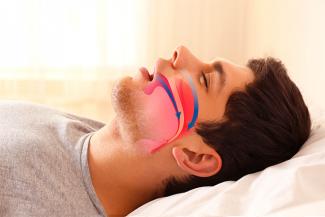
जोर से खर्राटे लेना अकसर एक गंभीर समस्या का लक्षण है जिसे ऑब्स्ट्रक्टिव स्लीप एप्निया (ओ एस ए) कहते हैं। अगर आप और आपका कोई प्रियजन खर्राटे लेता है तो इस लेख में स्लीप एप्निया पर दी गयी जानकारी आपके लिए बहुत उपयोगी होगी । इलाज के विकल्प भी बताए गए हैं।
ऑब्स्ट्रक्टिव स्लीप एप्निया क्या है?
ऑब्स्ट्रक्टिव स्लीप एप्निया या ओ एस ए (OSA) एक चिकित्सकीय (मेडिकल) समस्या है जिसमें नींद के दौरान अनैच्छिक रूप से, बिना जाने बूझे, सांस बार बार रुक जाती है। ऐसे छोटे-छोटे अंतराल के लिए सांस नहीं ले पाने को एप्निया कहते हैं।
Read in English: When You Need To Take Snoring Seriously
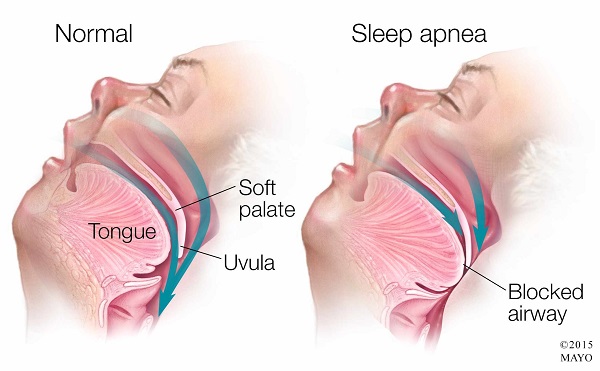
एप्निया सोते समय सांस की नली (श्वासनली)के आंशिक या पूरी तरह से बंद होने से होता है। व्यक्ति के गले की मांसपेशियां और जीभ आराम की मुद्रा में (शिथिल) होती हैं और अंदर की ओर ढुलक जाती हैं जिससे सांस का प्रवाह रुक जाता है और दिमाग में खून कम मात्रा में पहुंचता है। जब खून ठीक से दिमाग में नहीं पहुँचता तो दिमाग शरीर को जगा देता है ताकि शरीर फिर से सांस लेना शुरू कर सके। व्यक्ति उस समय कुछ क्षण के लिए उठ तो जाता है लेकिन बाद में अक्सर उसे यह घटना याद नहीं रहती है। ऐसा रात में कई बार हो सकता है जिससे रात में नींद पूरी नहीं हो पाती है और व्यक्ति दिन में ऊंघने लगता है और झपकी आती रहती है।
स्लीप एप्निया के प्रकार क्या है?
स्लीप एप्निया तीन प्रकार के होते हैं - ऑब्स्ट्रक्टिव, सेंट्रल और मिक्स्ड।
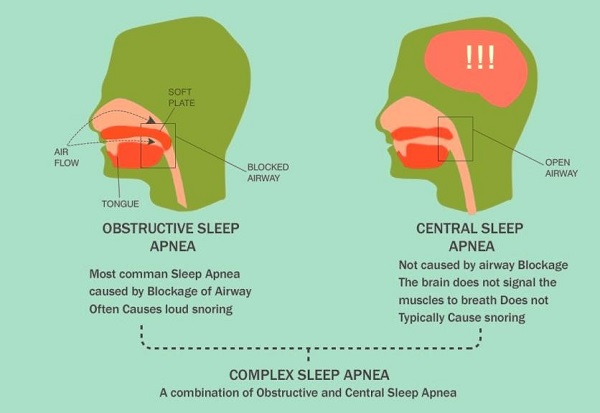
ऑब्स्ट्रक्टिव स्लीप एप्निया सबसे आम स्लीप एप्निया है। यह लगभग 4% पुरुषों और 2% महिलाओं में पाया जाता है। ओ एस ए एक शारीरिक संरचना संबंधी (मैकेनिकल) समस्या के कारण होता है जिससे श्वासनली में बाधा आती है। आप एक रात में एक घंटे में कितनी बार जाग रहे हैं उसके आधार पर ओ एस ए का प्रकार हल्का, मध्यम या गंभीर माना जाता है।
| ओ एस ए का प्रकार | प्रति घंटे होने वाली सांस रुकने की घटनाएं |
|---|---|
| हल्का | 5 से 14 |
| मध्यम | 15 से 30 |
| गंभीर |
30 या इससे अधिक |
सेंट्रल स्लीप एप्निया में हो सकता है कि सांस नली में कोई बाधा ना हो लेकिन दिमाग शरीर को सांस लेने के संकेत देने में विफल रहता है। ऐसे एप्निया अस्थायी होते हैं लेकिन दिमाग के सेंट्रल नर्वस सिस्टम से उत्पन्न होते हैं।
सम्बंधित लेख पढ़ें: मैंने अपनी स्लीप एपनिया समस्या को कैसे ठीक किया
मिक्स्ड और कॉम्प्लेक्स स्लीप एप्निया तब होता है जब व्यक्ति दोनों प्रकार के एप्निया - ऑब्स्ट्रक्टिव और सेंट्रल स्लीप एप्निया - एक ही समय पर अनुभव करता है। इसका पता पूरी रात की नींद का अध्ययन कर लगाया जाता है।
आपको किन लक्षणों पर ध्यान देना चाहिए?
- नियमित एवं जोर से खर्राटे लेना और बीच-बीच में शांत हो जाना। पीठ के बल सोने पर खर्राटे अक्सर तेज हो जाते हैं और करवट लेने पर खर्राटे कम हो जाते हैं। यह सबसे अधिक प्रत्यक्ष लक्षण है, और अक्सर साथ में सो रहा व्यक्ति इसे देख सकता है।
- श्वासनली में बाधा की वजह से रुक-रुक कर सांस लेने की प्रक्रिया बदल जाती है और हांफने या दम घुटने की तरह लगती हैं।
- नींद की कमी की वजह से दिन में ऊंघना और झपकी लेना। लोग शायद काम करते वक्त या गाड़ी चलाते वक्त या फोन पर बात करते समय झपकी लें या सो जाएँ।
- सांस लेने में तकलीफ के कारण नींद टूटती रहती है। व्यक्ति नींद की साइकिल के आर इ एम और नॉन आर इ एम स्टेज तक नहीं पहुंच पाता।
- रात में दिमाग को कम ऑक्सीजन मिलने की वजह से सुबह सर दर्द होता है।
- सुबह गले या मुंह का सूखना या छाले पड़ जाना।
- कामेच्छा में कमी।
- मानसिक स्वास्थ्य की समस्या के लक्षण जैसे चिड़चिड़ापन, खीज आना, भूल जाना, ध्यान लगाने में मुश्किल होना, छोटी छोटी बातों पर गुस्सा आना और यहां तक कि अवसाद / डिप्रेशन।
ओ एस ए होने का जोखिम किसको है?
ओ एस ए किसी को भी हो सकता है लेकिन निम्नलिखित कारणों से इसका जोखिम बढ़ जाता हैं:-
- पतली सांस की नली – जो जन्मजात हो सकती है या फिर बढ़े हुए टॉन्सिल्स के कारण हो सकती है।
- रात के समय में नाक में बार-बार जमाव होना जिससे सांस लेने में बाधा होती है।
- वजन ज्यादा होने की वजह से गले और गर्दन के आसपास फैटी टिशूज का जमा होना। याद रहे ओ एस ए पतले लोगों को भी हो सकता हैं।
- हाई ब्लड प्रेशर या हाइपरटेंशन एक आम कारण है।
- डायबिटीज भी एक प्रमुख रिस्क फैक्टर है।
- धूम्रपान की आदत जिससे सांस संबंधी सिस्टम में सूजन आ जाती है और सांस का बहाव अच्छी प्रकार से नहीं हो पाटा है।
- शराब के नियमित और लम्बे समय तक सेवन से गले की मांसपेशियां ढीली पड़ जाती हैं और सांस की नली में बाधा पैदा करती हैं ।
- अस्थमा (दमा) को हाल ही में ओ एस ए से जोड़ा गया है।
- परिवार के किसी सदस्य को स्लीप एप्निया होने को भी एक रिस्क फैक्टर माना जाता है।
- पुरुषों में जोखिम अधिक होता है।
- बढ़ती उम्र की वजह से गले की मांसपेशियों का कमजोर होना।
इसका निदान कैसे किया जाता है?
निदान के पहले चरण में लक्षणों के इतिहास के बारे में पूछा जाता है और मुंह एवं गले की जांच की जाती है। डॉक्टर शारीरिक परिक्षण से यह पता लगाते हैं कि कहीं टॉन्सिल्स या एडिनॉइड बढ़े हुए तो नहीं है या फिर उवुला, जीभ या फिर सॉफ्ट पैलेट पर कोई फैटी टिशु तो जमा नहीं है। यदि कोई संदेह होगा तो डॉक्टर आपको स्लीप स्पेशलिस्ट से परामर्श करने का सुझाव देंगे जहां सोते समय मशीन आपके ह्रदय, फेफडों और मस्तिष्क की गतिविधियों का आंकलन करेंगे।
इलाज के विकल्प क्या है?
डॉक्टर इलाज स्थिति की गंभीरता के अनुसार तय करते हैं। नीचे देखें कुछ आम चिकित्सकीय विकल्प:-
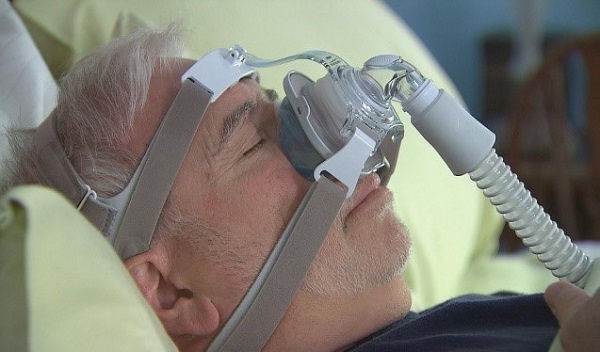
- पॉजिटिव एयरवे थेरेपी (पी ए पी) थेरेपी- इस में लगातार, स्वचालित या सतत पी ए पी शामिल है।
- मौखिक यंत्र जैसे मंडीबुलर एडवांसमेंट उपकरण और टंग रिटेनिंग माउथपीस।
- सर्जरी टॉन्सिल्स हटाने के लिए, नाक की मरम्मत के लिए, युवोलाप्लैटिंगौप्लास्टी (गले से उवुला और सॉफ्ट टिशूज हटाने के लिए) या मैक्सिलोमंडीबुलर (ऊपरी और निचले जबड़े को आगे ले जाने के लिए) सर्जरी।
ओ एस ए का इलाज करना क्यों जरूरी है?
ओ एस ए की पहचान करना और इसका इलाज करवाना बहुत जरूरी है। यदि इसका इलाज ना किया जाए तो ओ एस एस ए से कई स्वास्थ्य संबंधी समस्याएं हो सकती हैं।
ओ एस ए के इलाज के कुछ लाभ:-
- रात की नींद का बेहतर होना।
- दिन के समय में नींद कम आना और ऊर्जा एवं कार्यक्षमता का बढ़ना।
- ओ एस ए का इलाज करने से हृद्वाहिनी समस्याओं से बचा जा सकता है। ओ एस ए के कारण होने वाली समस्याएँ हैं - ऑक्सीजन लेवल का अचानक गिरना, हाइपरटेंशन, कोरोनरी हार्ट डिजीज, हार्ट अटैक और स्ट्रोक । इलाज करने से ये जोखिम कम हो सकते हैं।
- यदि आपको ओ एस ए है तो कुछ विशेष दवाओं के उपयोग के दौरान या फिर कुछ सर्जरी के दौरान बहुत ध्यान रखने की जरूरत होती है, क्योंकि ओ एस ए इन दवाओं की कारगरता में बाधा पैदा कर सकता है - है जैसे नींद की दवा, या जनरल और नारकोटिक एनाल्जेसिक जिन से ऊपरी श्वासनली को रिलैक्स करा जाता है। जिस व्यक्ति को ओ एस ए है उनमें सर्जरी के दौरान और सर्जरी के बाद सम्भावित जटिलताओं (कोम्प्लिकेशन) का खतरा बढ़ जाता है।
- टाइप टू डायबिटीज हो तो ओ एस ए का इलाज करने से डायबिटीज कम तेज़ी से बढ़ेगा।
- मोतियाबिंद (ग्लोकोमा) जैसी आंखों की बीमारी का खतरा कम हो सकता है।
- अपने साथ सो रहे व्यक्ति की नींद में बाधा नहीं उत्पन्न होगी।
|
ऑब्स्ट्रक्टिव स्लीप एप्निया |
सेंट्रल स्लीप एप्निया |
कॉम्प्लेक्स स्लीप एप्निया |
|
श्वासनली में बाधा होना स्लीप एप्निया का सबसे आम कारण है इसमें अकसर जोर से खर्राटे आते हैं |
इसका कारण श्वासनली में बाधा नहीं है इसमें दिमाग मांसपेशियों को सांस लेने का संकेत नहीं देता है |
इस में ऑब्स्ट्रक्टिव और सेंट्रल स्लीप एप्निया दोनों मौजूद होते हैं |
Changed
29/Dec/2021
Condition