
It is quite usual for us to experience headaches at some point in our lives as a child or adult. It is of the most common prevailing symptoms that hampers our daily life and is one of the most common causes of abuse of pain killers around the world. This article focuses on types and causes of headaches, when to be concerned about it, and when to visit a healthcare professional.
Headache is one of the most common causes of pain in the body around the world. Headaches are mostly caused by…

Latest Stories
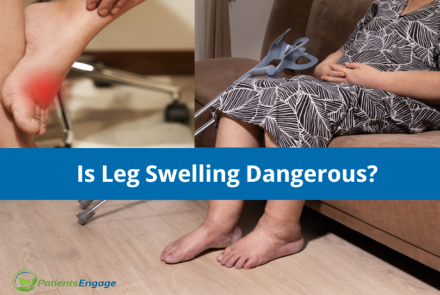 Many of us have experienced heaviness in legs that feels uncomfortable. In some cases, it is normal and goes off on its own but in other cases, it could be an alarming sign for the body. This article focuses on three main features: what causes swelling in the legs, when to be concerned about it, and when to visit a healthcare professional. Leg swelling is caused by excess fluid retention in the tissues of the lower limbs. This fluid would normally be in the circulatory system but squeezes out…
 When one is told that they need surgery it may feel daunting and very radical to most of us. The aim is to get the surgery done on time with the best outcome and that weighs on the decision as we feel pressed for time. Here are some queries related to the 5 surgical conditions that you may ask your doctor to feel more confident about your decision and to help feel a part of the decision of going ahead with the surgery. This is the second part of the article Questions to Ask Before Any Surgery…
 Being diagnosed with a condition that requires surgery can feel daunting and confusing to most of us. While we want to get the timing and procedure right, we often feel rushed into the decision for lack of information and being pressed for time. Let’s discuss a few questions pertaining to surgeries that you may ask your doctor to feel more confident about your decision and to help feel a part of the decision of going ahead with the surgery. General questions to ask your doctor before any…
 Dr. Latika Gupta, Consultant Rheumatologist and Senior Lecturer at the Royal Wolverhampton Hospitals NHS Trust and University of Manchester in UK addresses questions on Myositis or Idiopathic Inflammatory Myopathy, an often-underdiagnosed autoimmune condition. What is Idiopathic Inflammatory Myopathy (IIM) or myositis? Myositis is a group of rare conditions where the immune system, which normally protects us from infections, mistakenly attacks healthy muscle tissue. This causes inflammation in…
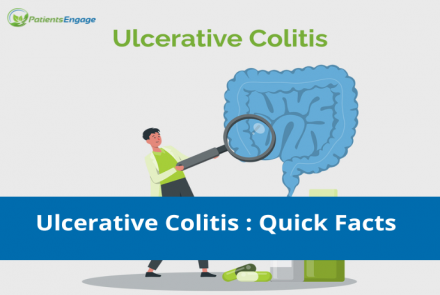 Ulcerative Colitis is an auto-immune condition. Read this article to understand the symptoms, causes, treatment and management of Ulcerative Colitis What is Ulcerative Colitis It is an inflammatory disease that usually begins in the rectum and may later involve the large intestine. It is a lifelong autoimmune condition (the normal bowel bacteria provoke the immune system to attack the wall of the intestine, thus causing injury to the bowel). It is a part of the spectrum of the inflammatory…
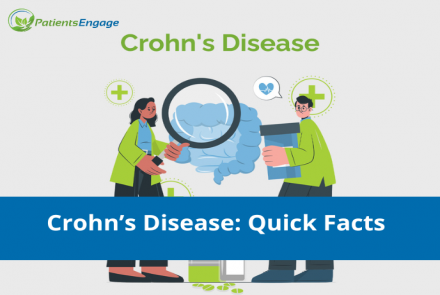 Crohn’s Disease, IBD, IBS are sometimes used interchangeably. We break down Crohn’s disease, how it is different from these other conditions and explain the symptoms, causes, treatment and management of Crohn’s Disease. Overview of Crohn’s Disease To begin with, let’s understand that irritable bowel syndrome (IBS) and inflammatory bowel disease (IBD) are two different gastrointestinal disorders, as the terms sound similar and may have some overlapping symptoms, it may use them…
 These are some steps we can take to reduce the risk of Interstitial Lung Disease: Prevent occupational exposure: It is advisable to utilize a respirator, which is a mask designed to filter particles from the air, when exposed to hazardous substances such as asbestos, metal dusts, or chemicals. Exposure to certain allergens: It is recommended to wear a respirator when working in proximity to substances that can trigger chronic allergic reactions, such as hay, grain, bird…
 Management of Interstitial Lung Disease includes active treatment of the underlying causes and supportive therapies like pulmonary rehabilitation and oxygen therapy. Alongside management of the common comorbidities encountered in ILD is essential. Common conditions seen with ILD are: Gastroesophageal reflux disease (GERD)- The acid from the stomach regurgitates back into the esophagus which may cause a burning sensation in the chest. This acid can flow into the lungs and cause inflammation,…